Buddhism

On this page: Buddhism — Parents: Fotografische Themen › Kultur › Religionen — Photography, Technology & Science at the Tenckhoff Photo Archive.
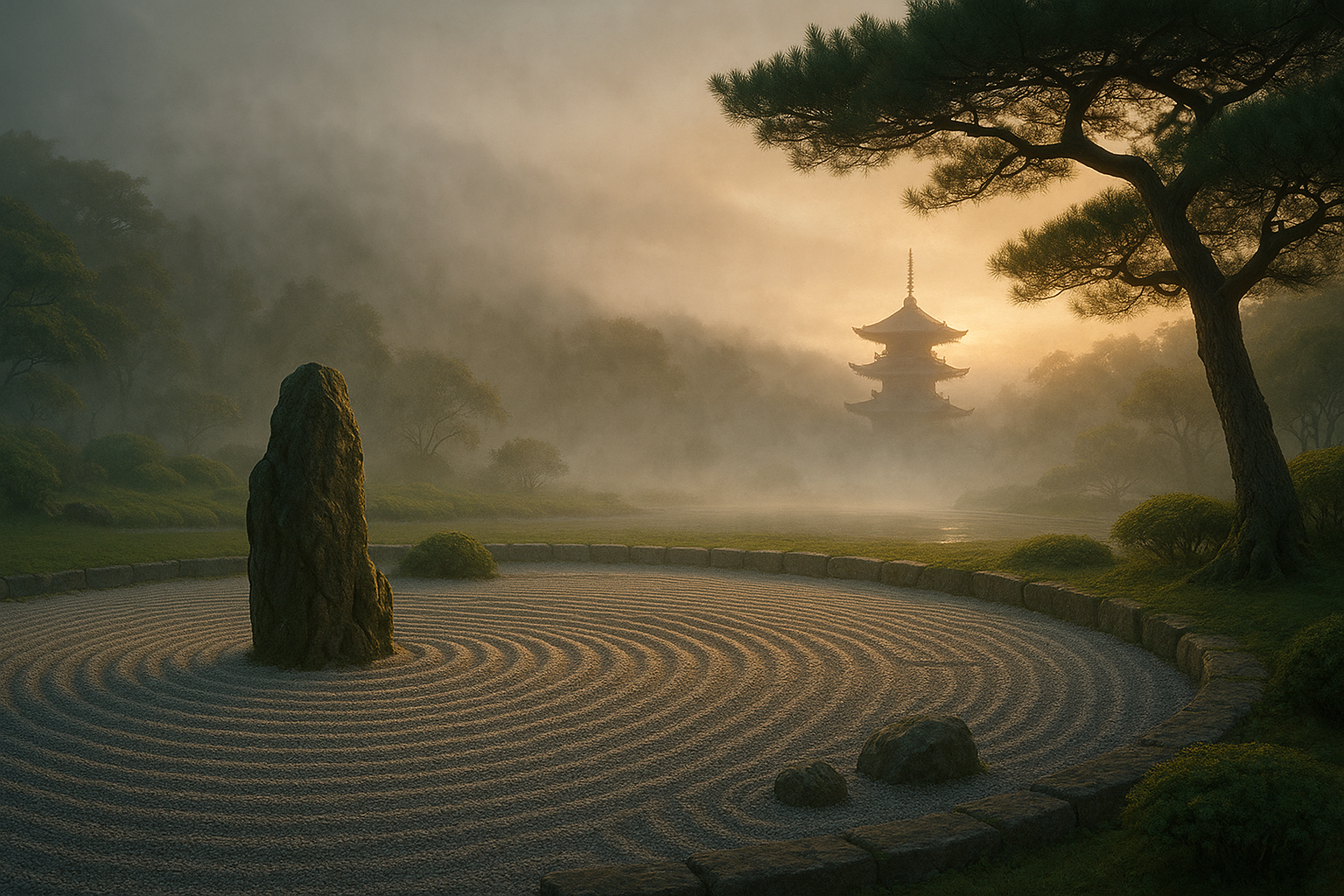
Image

Buddhism originated in northern India in the 5th century BCE, founded by Siddhartha Gautama, the historical Buddha. Its purpose is the cessation of suffering caused by ignorance, craving, and attachment. At the heart of Buddhist teaching are the Four Noble Truths: life involves suffering; the cause of suffering is desire; the cessation of suffering is possible; and the path leading to it is the Noble Eightfold Path. This path encompasses right view, right intention, right speech, right action, right livelihood, right effort, right mindfulness, and right concentration — guiding practitioners toward liberation from the cycle of rebirth (Samsara).

A central doctrine is Anatta, the teaching of non-self: the individual is not a permanent entity but a dynamic process composed of body, feeling, perception, mental formations, and consciousness. This understanding nurtures compassion and equanimity toward all living beings. Through meditation, awareness is cultivated, enabling insight into impermanence and the nature of mind.

Over time, various schools developed — the Theravada tradition, preserving early teachings; the Mahayana tradition, emphasizing the Bodhisattva ideal of selfless enlightenment; and Zen, focusing on direct, wordless realization.

Today, Buddhism is often seen both as a religion and a philosophy of life. Its mindfulness practices influence psychology, neuroscience, and ethics. Concepts such as emptiness, interdependence, and compassion resonate in modern debates on consciousness and ecology.

Buddhism thus represents a path of insight without dogma — a timeless invitation to awareness, kindness, and inner freedom.
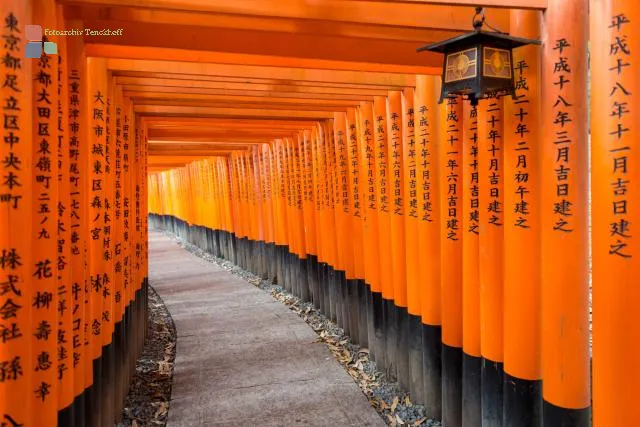
Fushimi Inari Taisha – Paths of Light

A walk through Kyoto’s Fushimi Inari Taisha – five kilometers of red torii, mountain light, and the quiet rhythm of a sacred path.

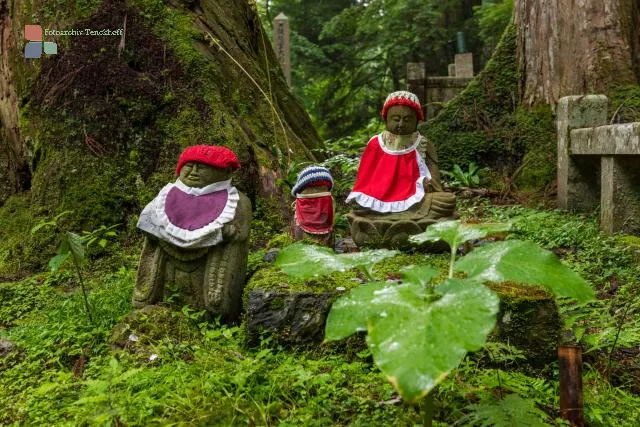
Okunoin – The Path to the Mausoleum of Kōbō Daishi

An evening walk with monk Nobo through the Okunoin cemetery in Kōyasan: towering cedars, stone lanterns, Jizō statues, ancient legends, and the path to Kōbō Daishi’s mausoleum.

Kongōbu-ji – Temple of the Diamond Peak on Mount Kōya

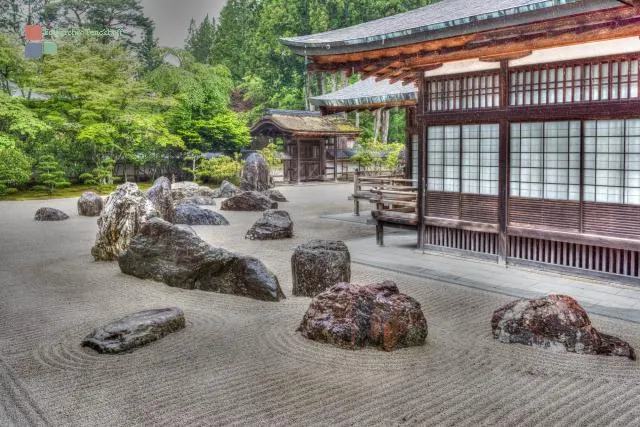
The Kongōbu-ji (金剛峰寺) — literally “Temple of the Diamond Peak” — is the head temple of the Shingon School of Japanese Buddhism and the spiritual centre of Kōyasan. Here, on the high plateau that Kūkai conceived in the 9th century as a microcosm of the universe, the quiet strength of this place condenses into stone, sand, and sound.

The Dragon in the Fire – The Goma Ritual at Ekōin Temple

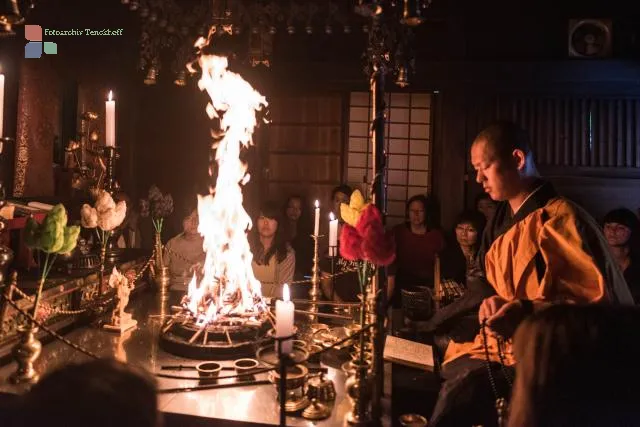
At Ekōin Temple on Kōyasan we witnessed the Goma fire ritual, where fire embodies the wisdom of Dainichi. When the dragon (Ryū) appears in the flames, it signifies enlightenment – the union of water and fire, matter and spirit.

Kōyasan – The Heart of Japanese Esoteric Buddhism

Kōyasan – the heart of Japanese Esoteric Buddhism and the spiritual home of Kūkai (Kōbō Daishi). The sacred mountain, final destination of the 88-Temple Pilgrimage, remains a living center of meditation and fire rituals. Our stay at Ekōin Temple revealed how legend, devotion, and serenity merge in this timeless place.

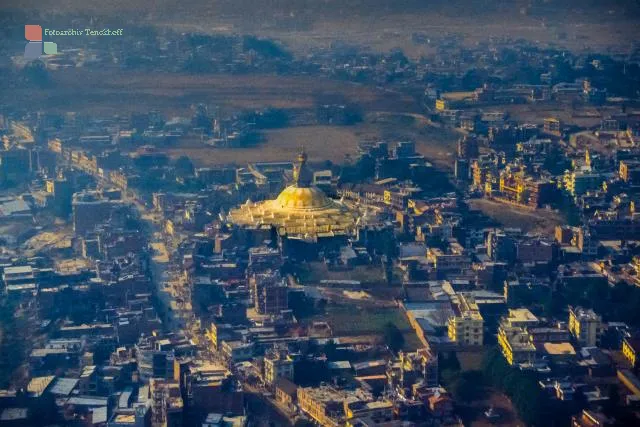
Boudhanath – The Eye of Heaven over Kathmandu

Photographed in 1994 on approach to Kathmandu, this analog FUJI-film image of the Boudhanath Stupa captures a golden morning above the city – its grain and glow preserving a timeless intersection of light, faith, and photography.

Swayambhunath – The Eyes Over Kathmandu

In the golden morning light, the Swayambhunath Stupa glowed above Kathmandu. Its radiance drew us up the hill – to a place where light, stillness, and awareness meet in timeless harmony.

Quantum Monads III: A Metaphysical Vision in Hilbert Space

Series: The Theory of Quantum Monads – A metaphysical perspective on Hilbert space as the foundation of consciousness, religion, and social systems. The fusion of philosophy, science, and AI into a coherent worldview.

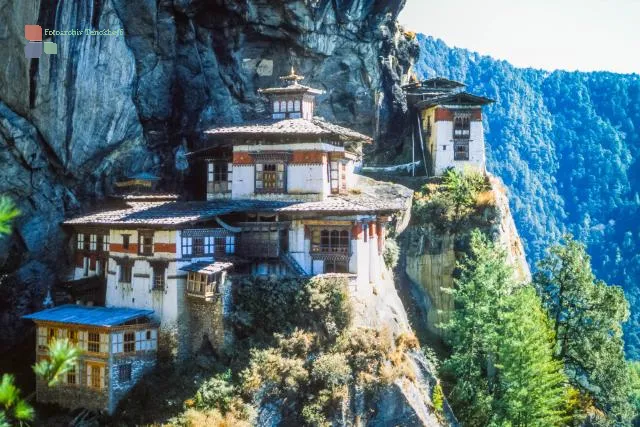
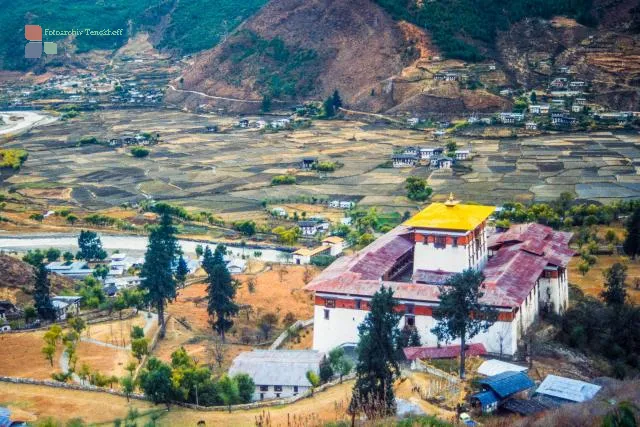
Tiger's Nest Monastery in the Paro valley

The most famous Bhutanese monastery, the Taktsang or Tiger's Nest Monastery, is located in the Parotal at an altitude of 3120 meters.

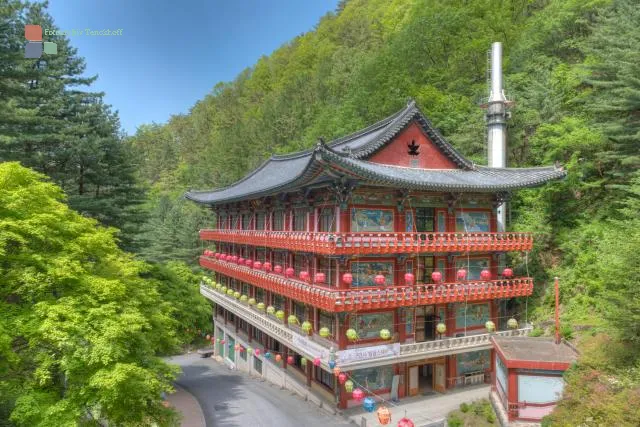
Guinsa - Temple of Goodness

Located in the Yeonhwa area of the Sobaek Mountains, the Guinsa Temple of Salvation and Goodness is the headquarters of the Cheontae school of Korean Buddhism.

Buddha's birthday in Andong

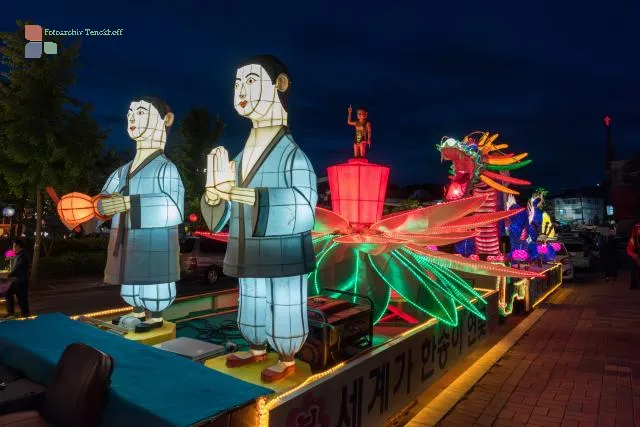
On May 26, 2023, Buddha's birthday was celebrated this year. We participated in the 2016 parades and festivities in Andong, South Korea.

Archery in Trongsa

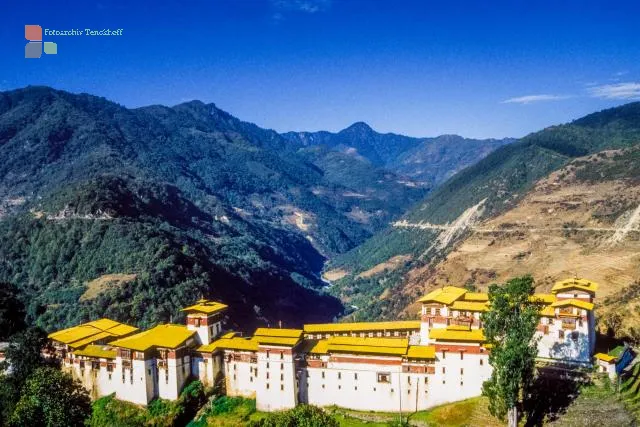
Archery in Bhutan is more than just a hobby. We learned it from scratch at Dzong Trongsa.

Rumtek Monastery in Sikkim

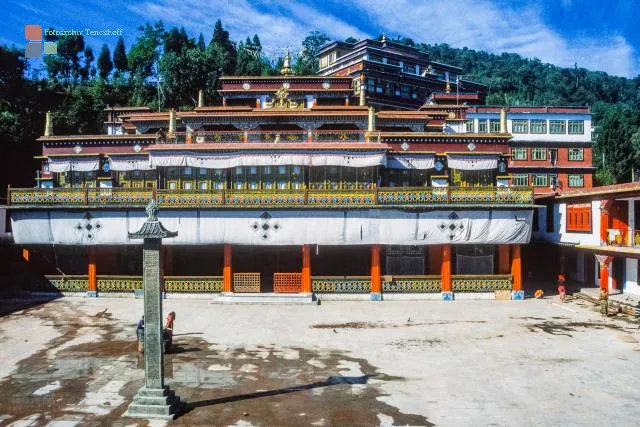
The Buddhist Rumtek Monastery is the largest in Sikkim and is also called the Dharma Chakra Center.

Bhutan - Country of the Thunderdragon

Traveling to Bhutan takes a lot of preparation. For example, during our planning phase we had to organize driver, guide and compulsory exchange..

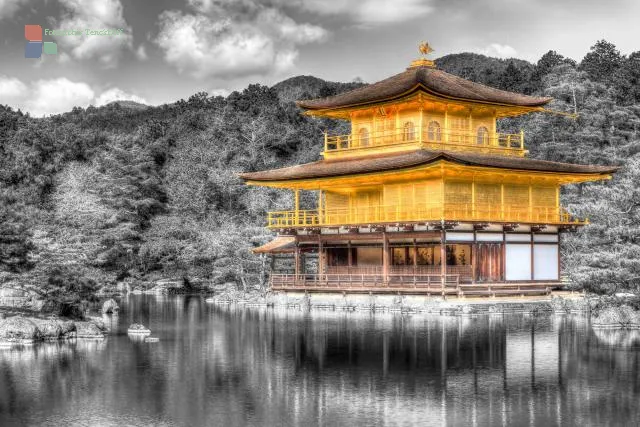
Kinkaku-ji the Golden Pavilion Temple in Kyoto

Kinkaku-ji, Kyoto’s Golden Pavilion, captured as a Colorkey photograph: the gilded façade shines in color while the surroundings fade into black and white.