In this article: Kōyasan – The Heart of Japanese Esoteric Buddhism
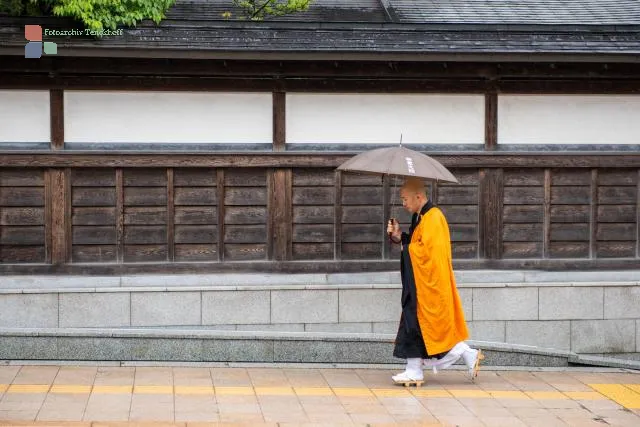
Buddhism in Japan has a sacred place: Kōyasan.
It is considered the heart of Japanese Esoteric Buddhism – a symbolic microcosm of the universe, the founding site of the Shingon School, and the spiritual home of Kūkai, also known as Kōbō Daishi, who is said to remain there in eternal meditation.
Kōyasan was founded in the early 9th century by Kūkai on the remote mountain plateau of Mount Kōya.
The central temple, Kongōbu-ji (“Temple of the Diamond Peak”), remains the headquarters of the Shingon School to this day.
Many stories surround this place, which Kūkai regarded as a way to experience the Buddha-nature within this world – not only beyond it.
He is therefore not considered dead but in perpetual meditation.
Access to his Okunoin, his mausoleum, is granted only to the head priest.
The Okunoin cemetery is one of Japan’s largest and most impressive, with more than 200,000 graves of monks, samurai, and emperors.
A Living Spiritual Center
Today, Kōyasan remains a vibrant spiritual site.
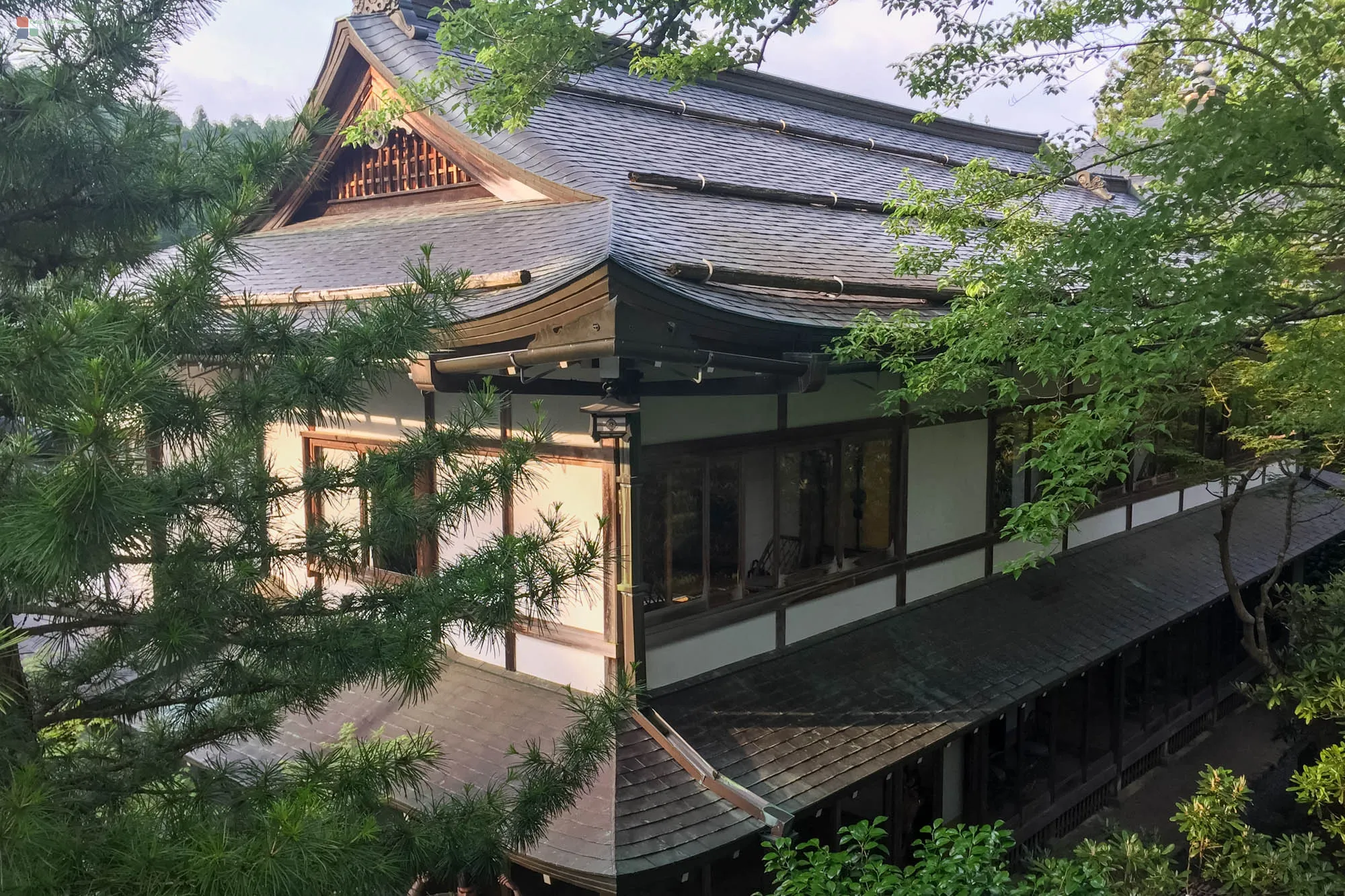
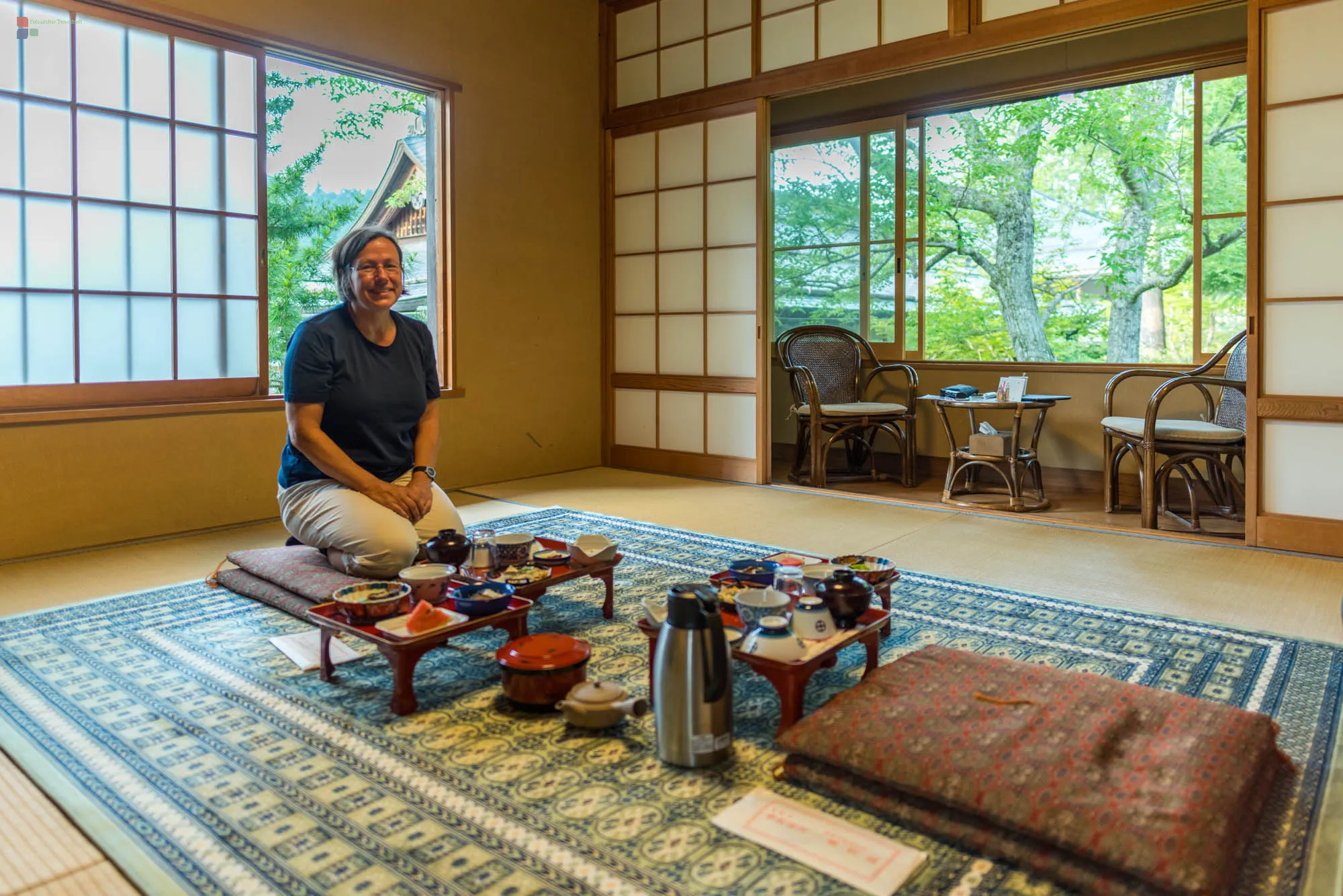
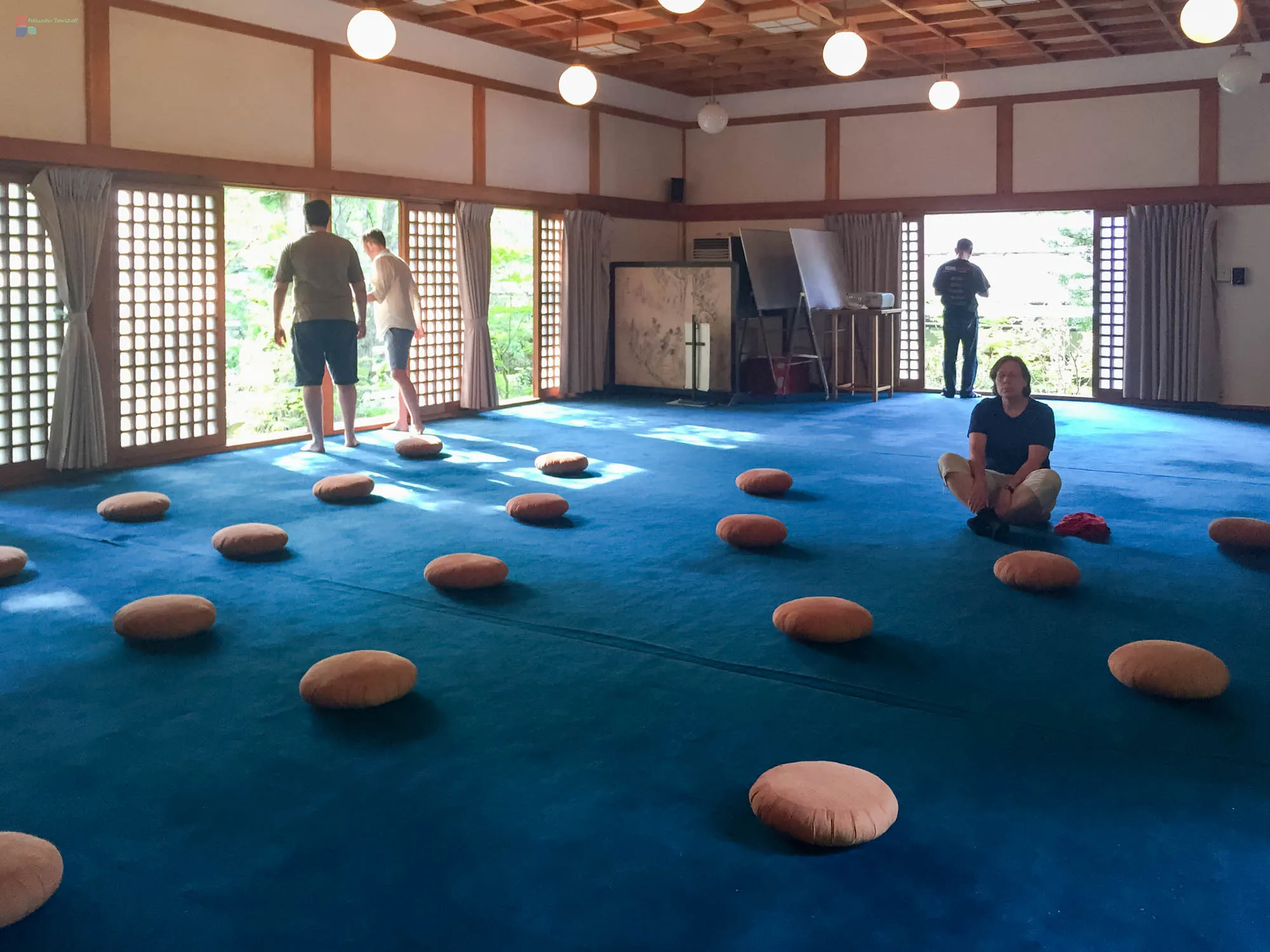
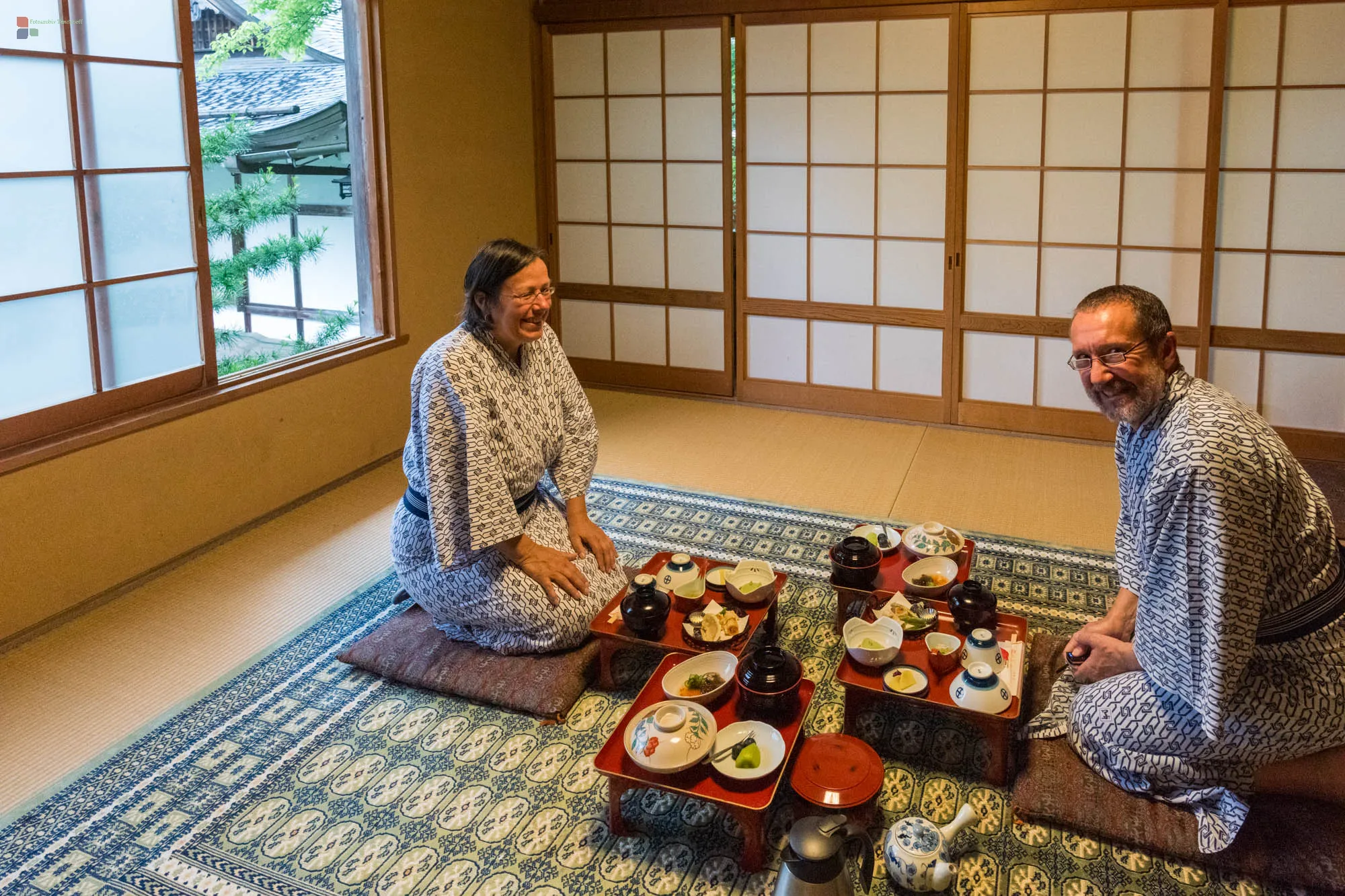
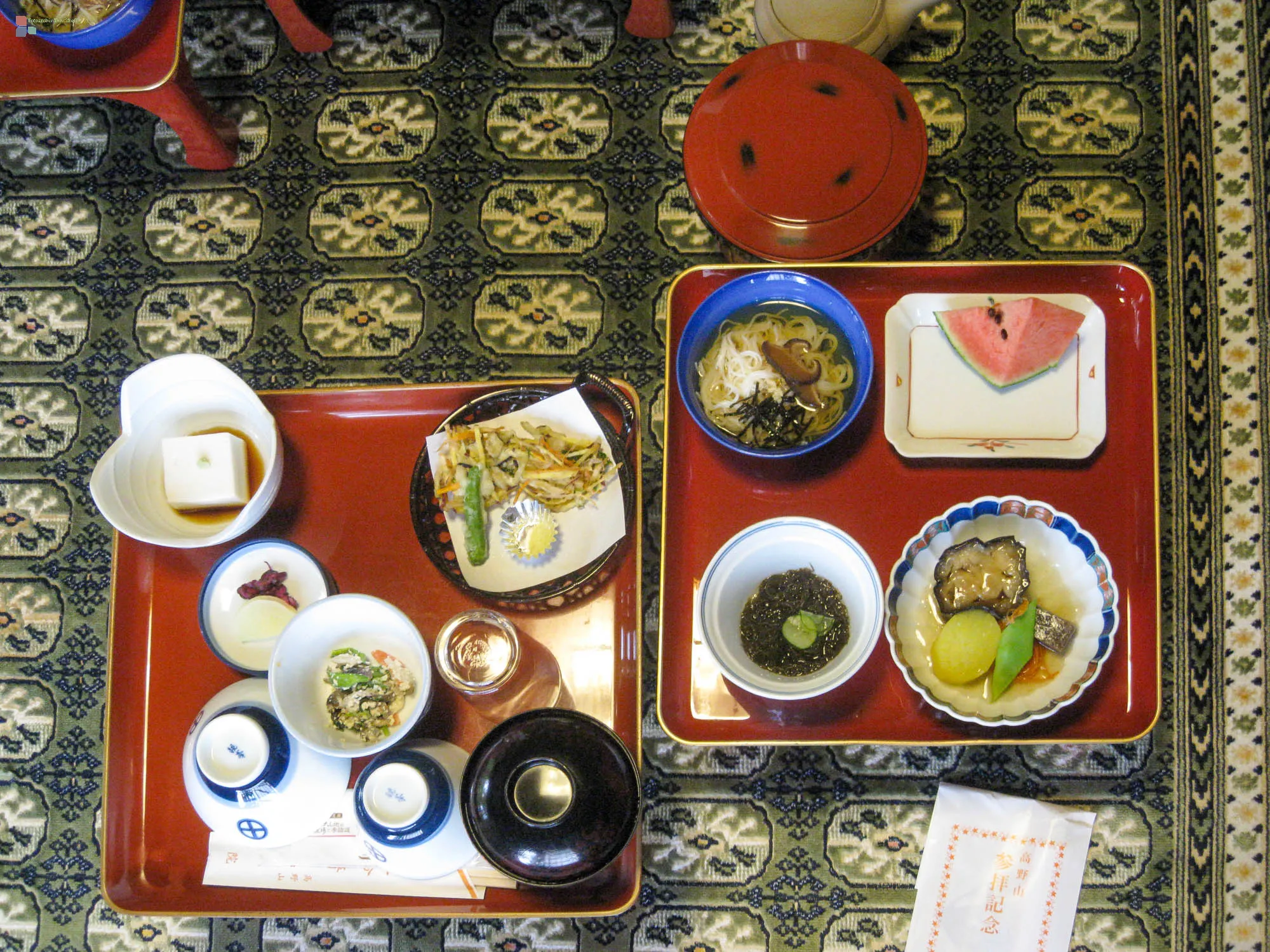
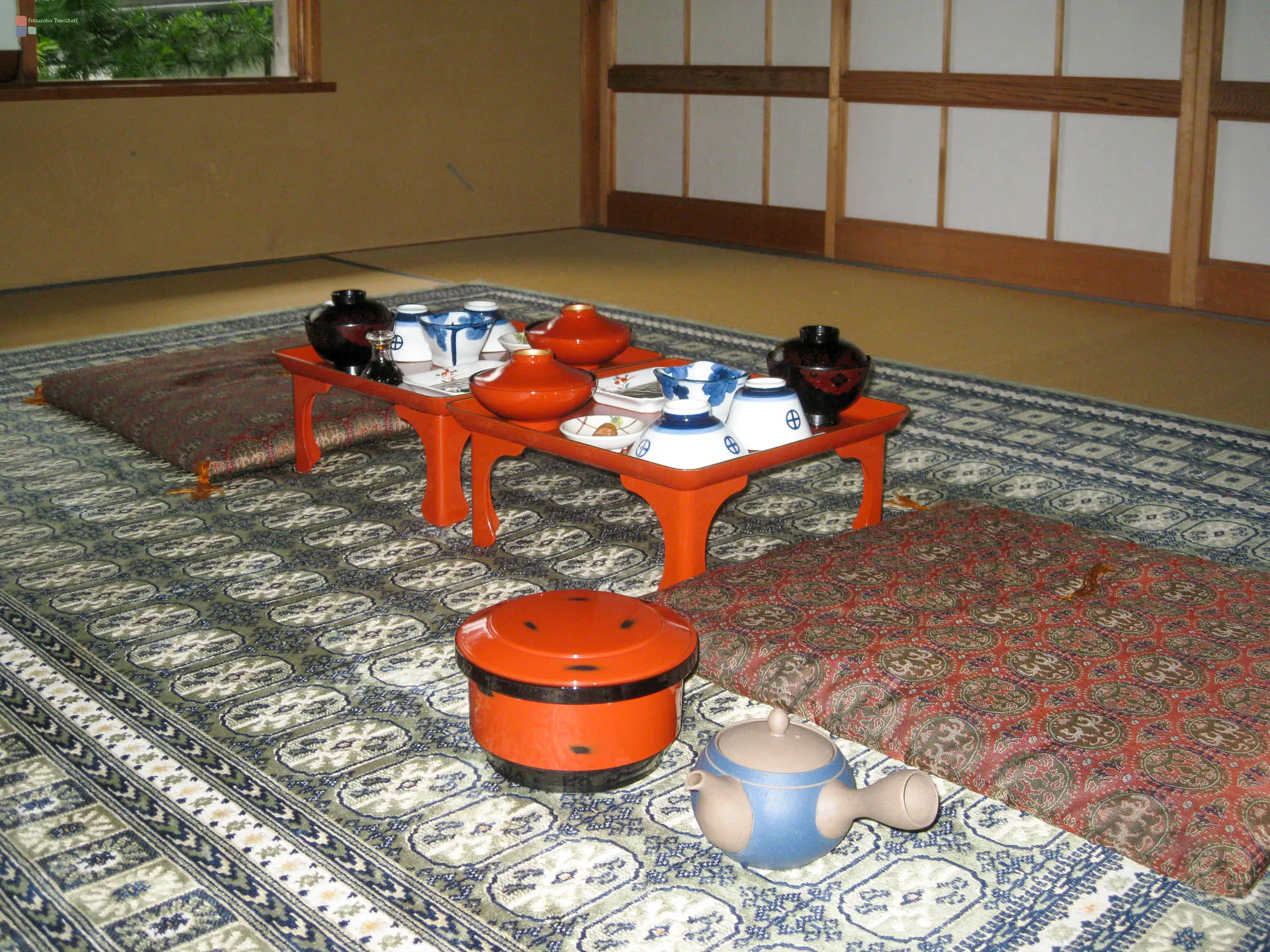
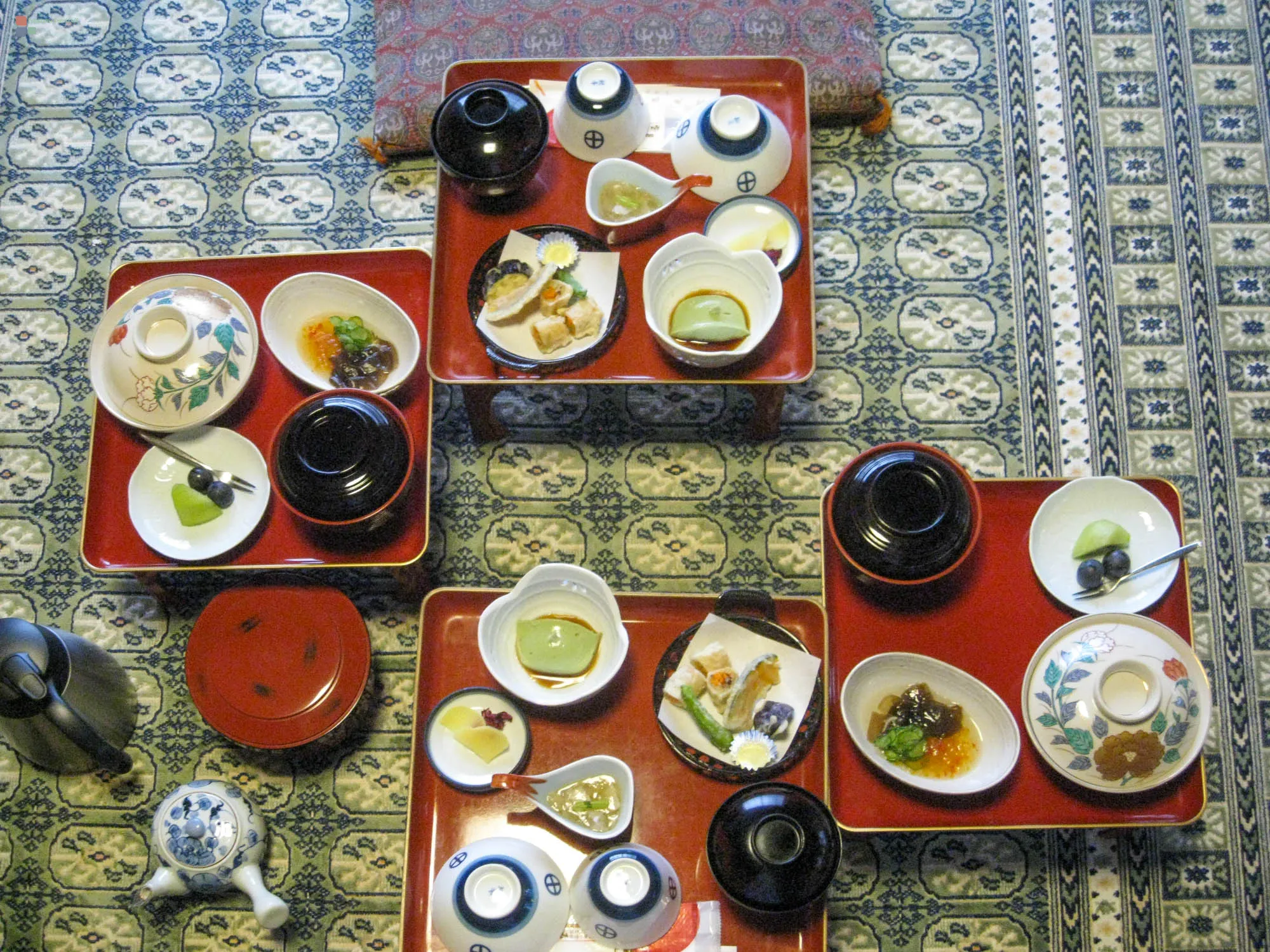
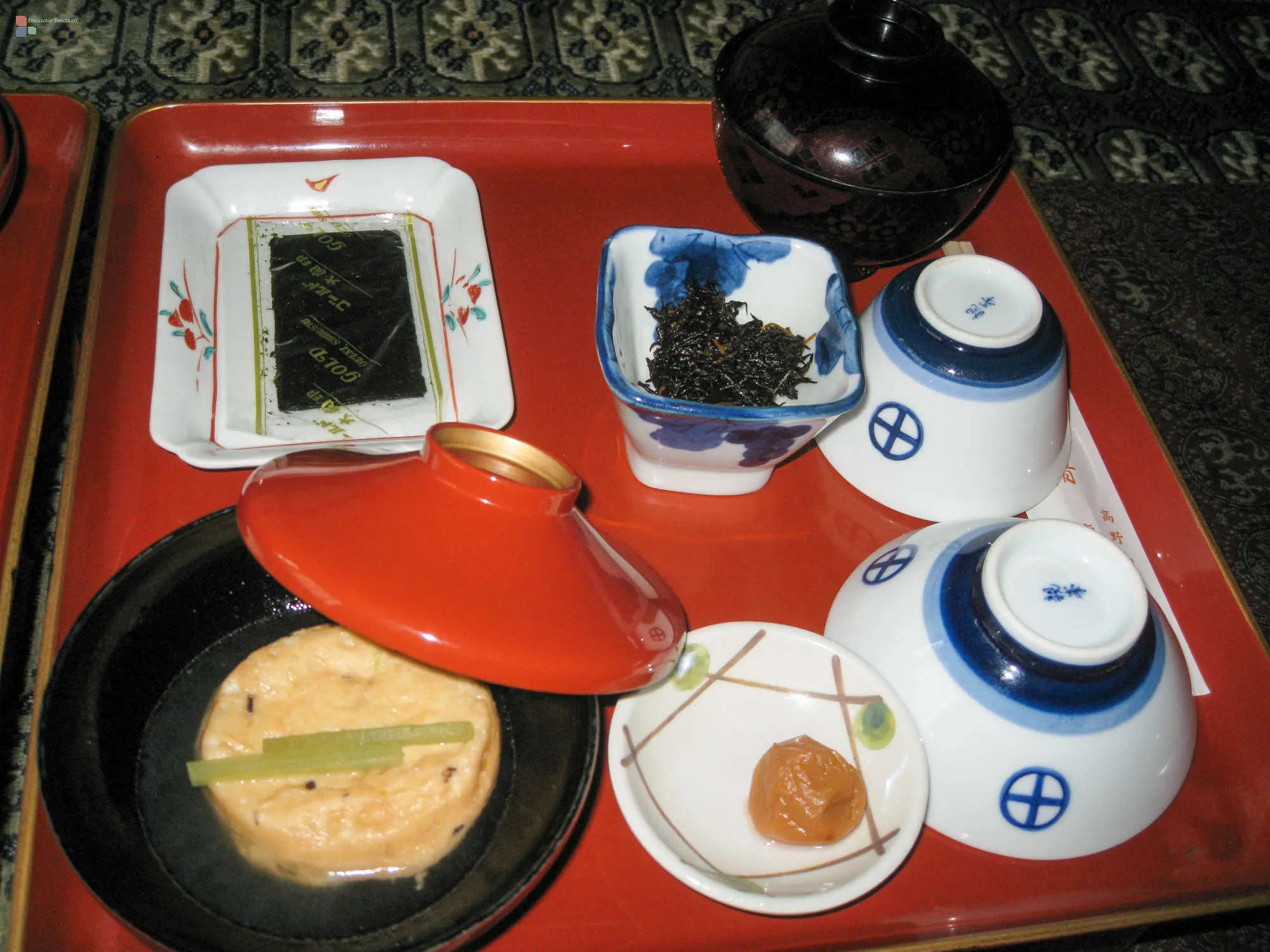
About 120 temples form the monastic plateau, many of them offering shukubō – simple temple lodgings for lay visitors – including morning meditation and vegetarian shōjin ryōri meals.
The mountain is regarded as a gateway between this world and the next, a metaphysical threshold where body, mind, and universe are experienced as one.
Kōyasan is also the final destination of the 88-Temple Pilgrimage on Shikoku, a path deeply connected with Kūkai.
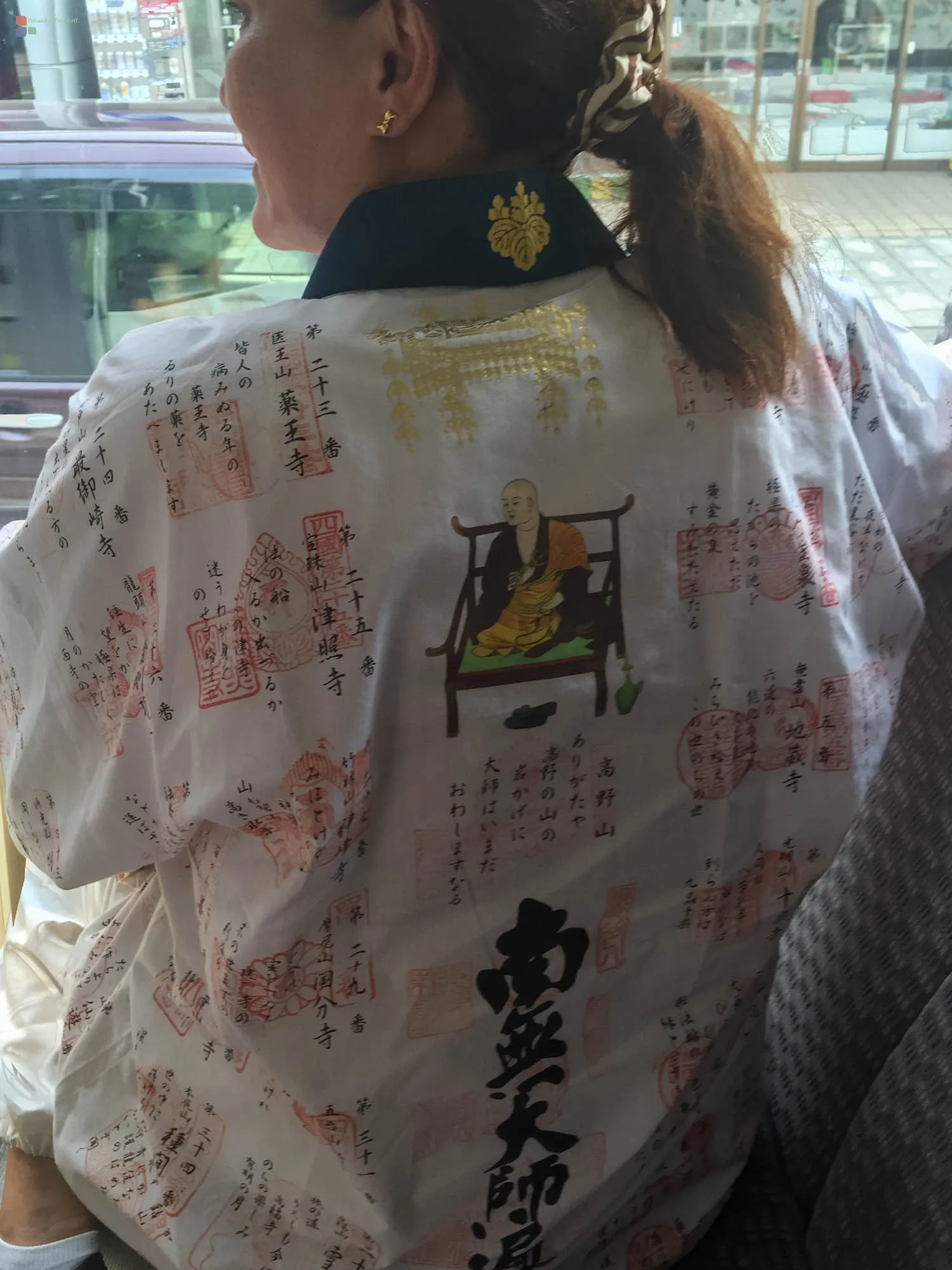
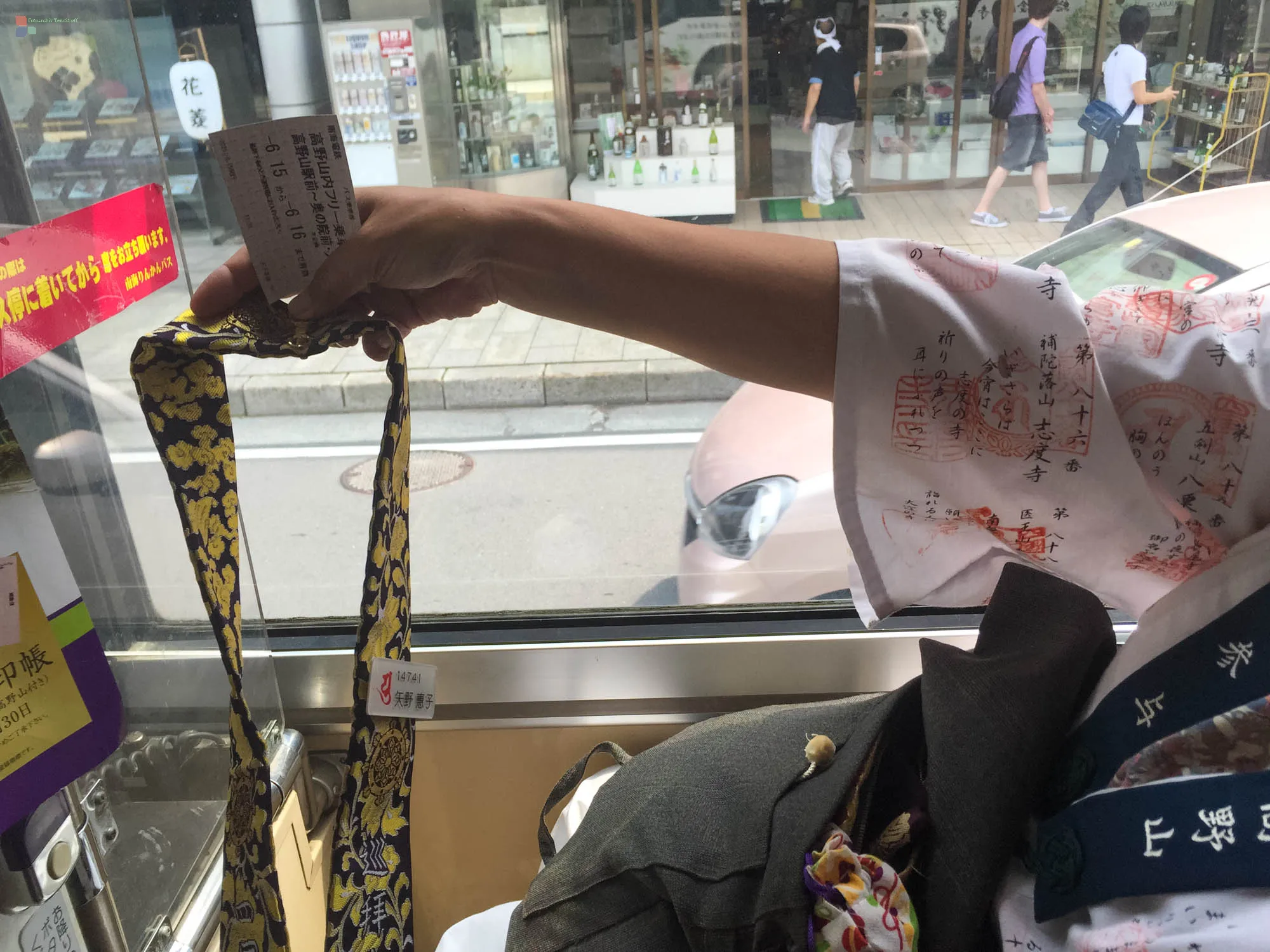
Each year, thousands of pilgrims dressed in white make their way here – garments that are pure and unmarked at the beginning of the journey, but covered in stamps and symbols by the end, telling the story of their spiritual path.
At Kōyasan, the pilgrimage culminates – the place where the pilgrim meets the spirit of Kūkai.
We did not wear the white robes of the pilgrims, but we had visited several temples on Shikoku and collected their seals in our own “Sacred Book” – a quiet echo of the pilgrims’ journey.
Like them, we finally made our way to the most sacred mountain – up to Kōyasan.
Our Journey into the Mountains
(From Karin’s travel diary, June 15, 2015):
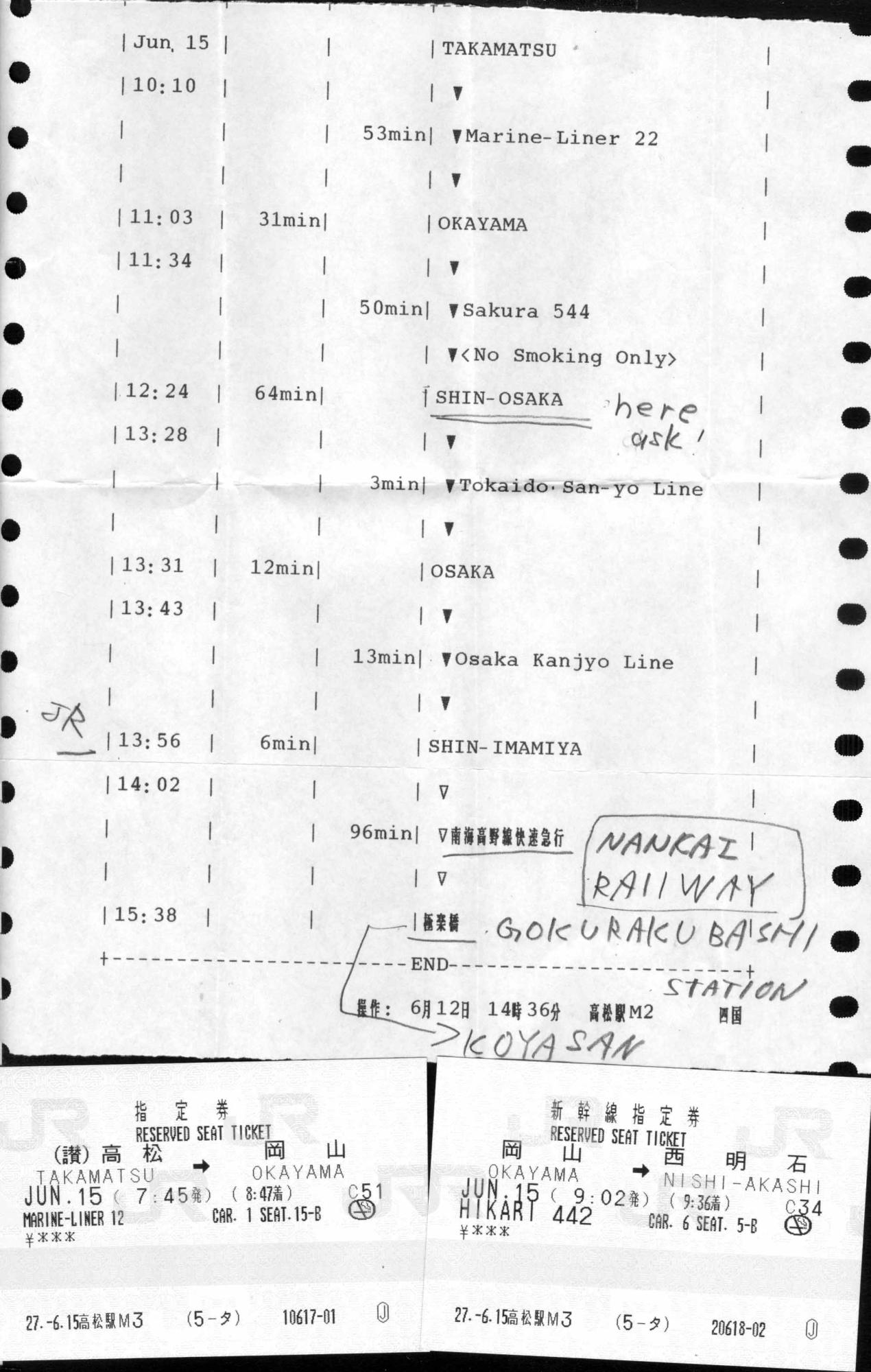
6:00 a.m. wake up, 6:30 breakfast, 7:00 taxi to the station,
7:40 train to Takamatsu, 10:10 Marine Liner 22 to Okayama,
11:03 Sakura 544 to Shin-Osaka, 13:28 Tokaido-Sanyō Line to Osaka,
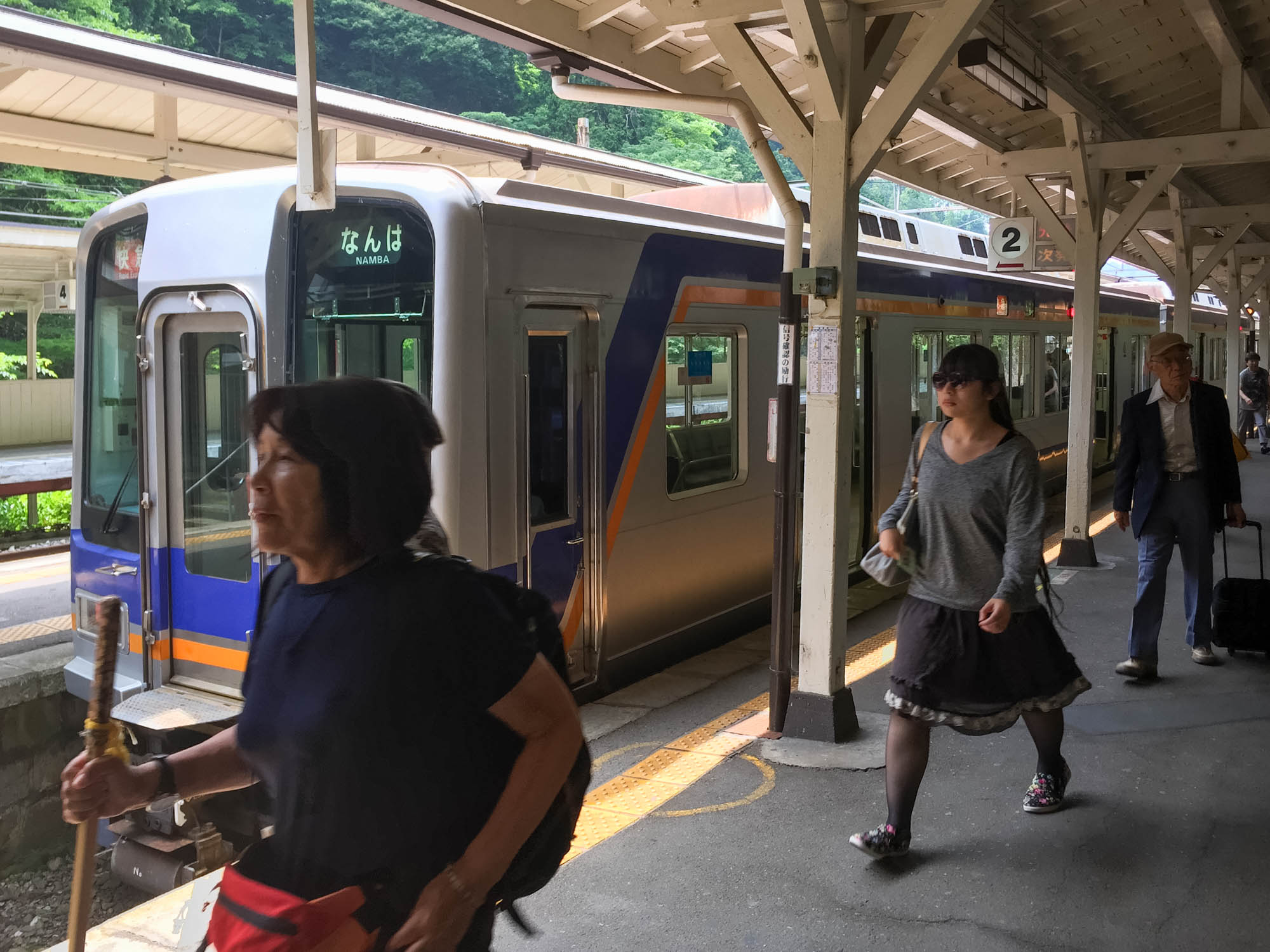
13:43 Osaka Kanjyō Line to Shin-Imamiya, 14:02 Nankai Railway to Gokurakubashi (“Golden Bridge”),
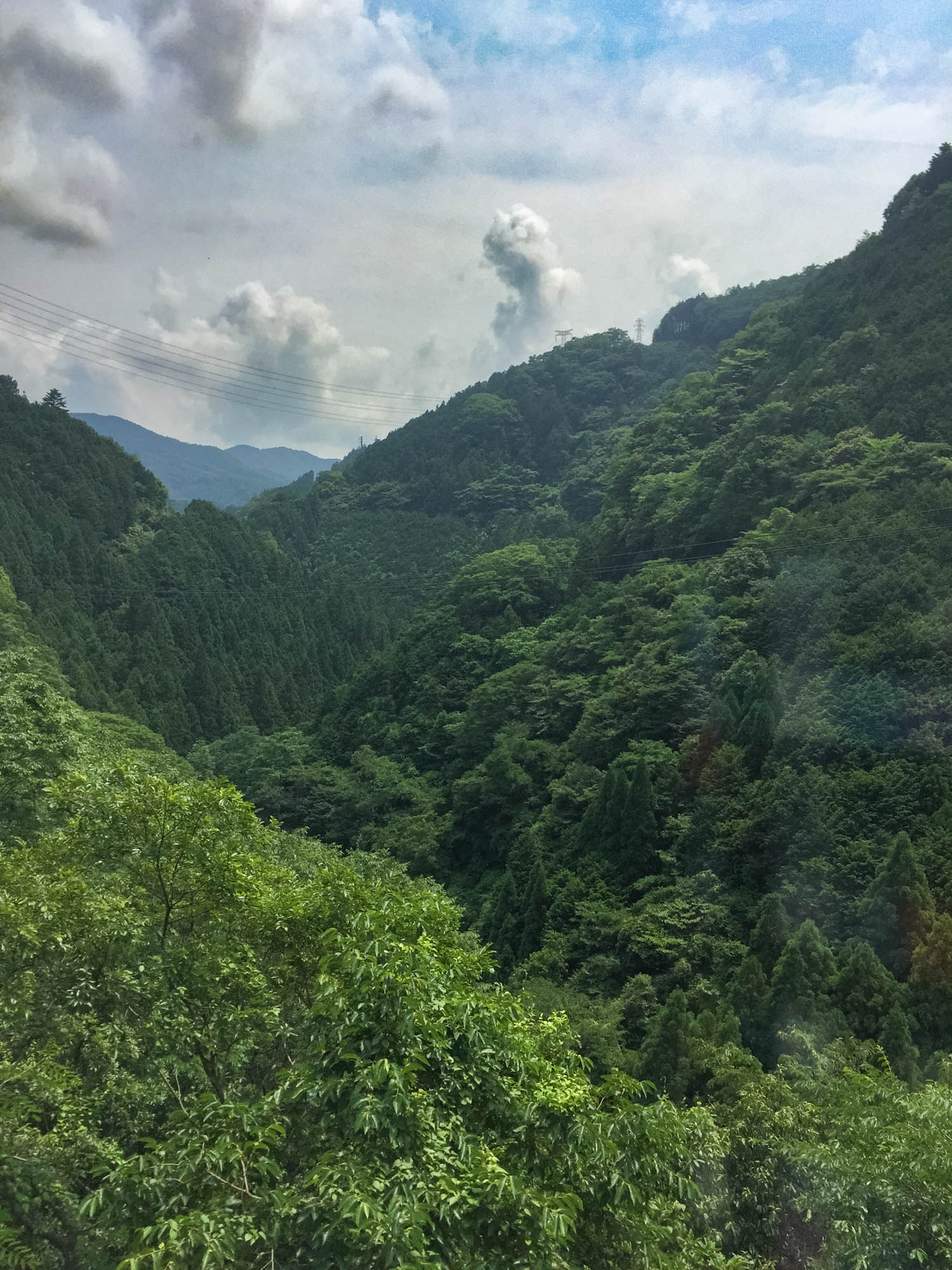
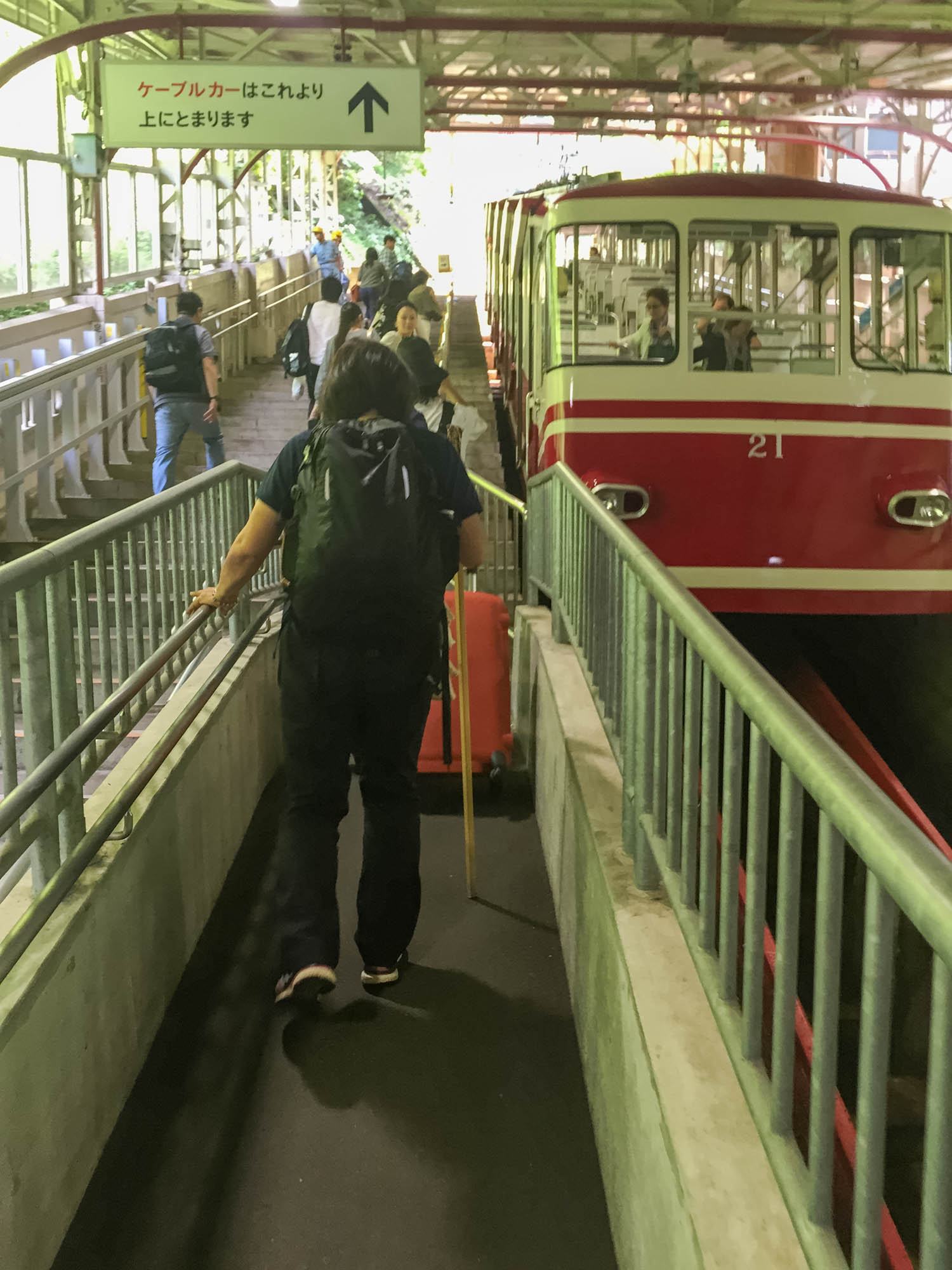
and finally the cable car up to Kōyasan – followed by a bus ride to the Ekōin Temple.
Uff – everything worked out :-)
At Ekōin, we were warmly welcomed by Nobo, one of the monks.
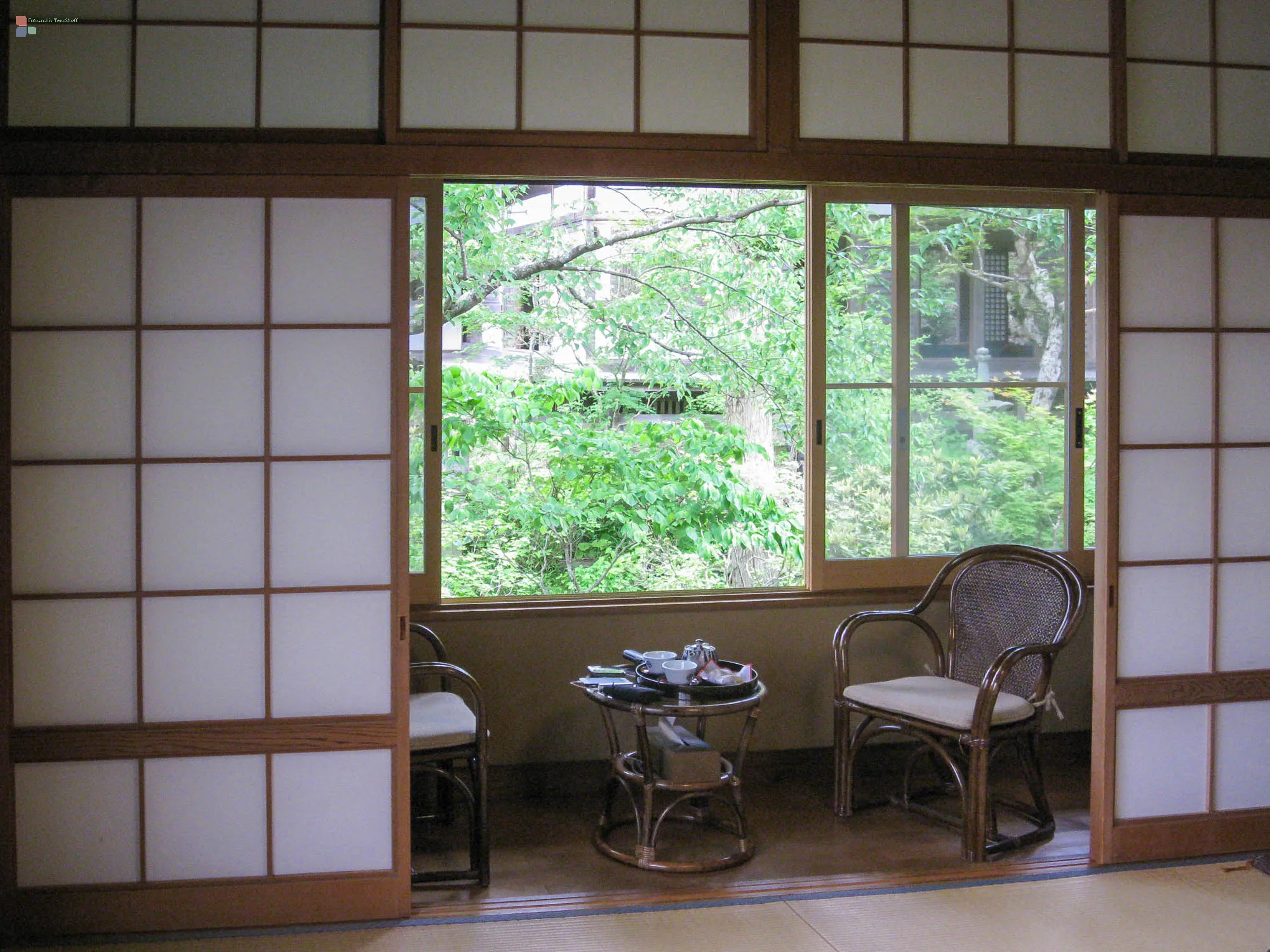
He led us to a beautiful tatami room overlooking the garden, where we could rest.
The following days unfolded in quiet serenity: delicious vegetarian meals, evening fire ceremonies, early-morning meditation.
We joined temple excursions, visited the Okunoin cemetery with Kūkai’s mausoleum, and increasingly felt the still, intense spirituality of this place.
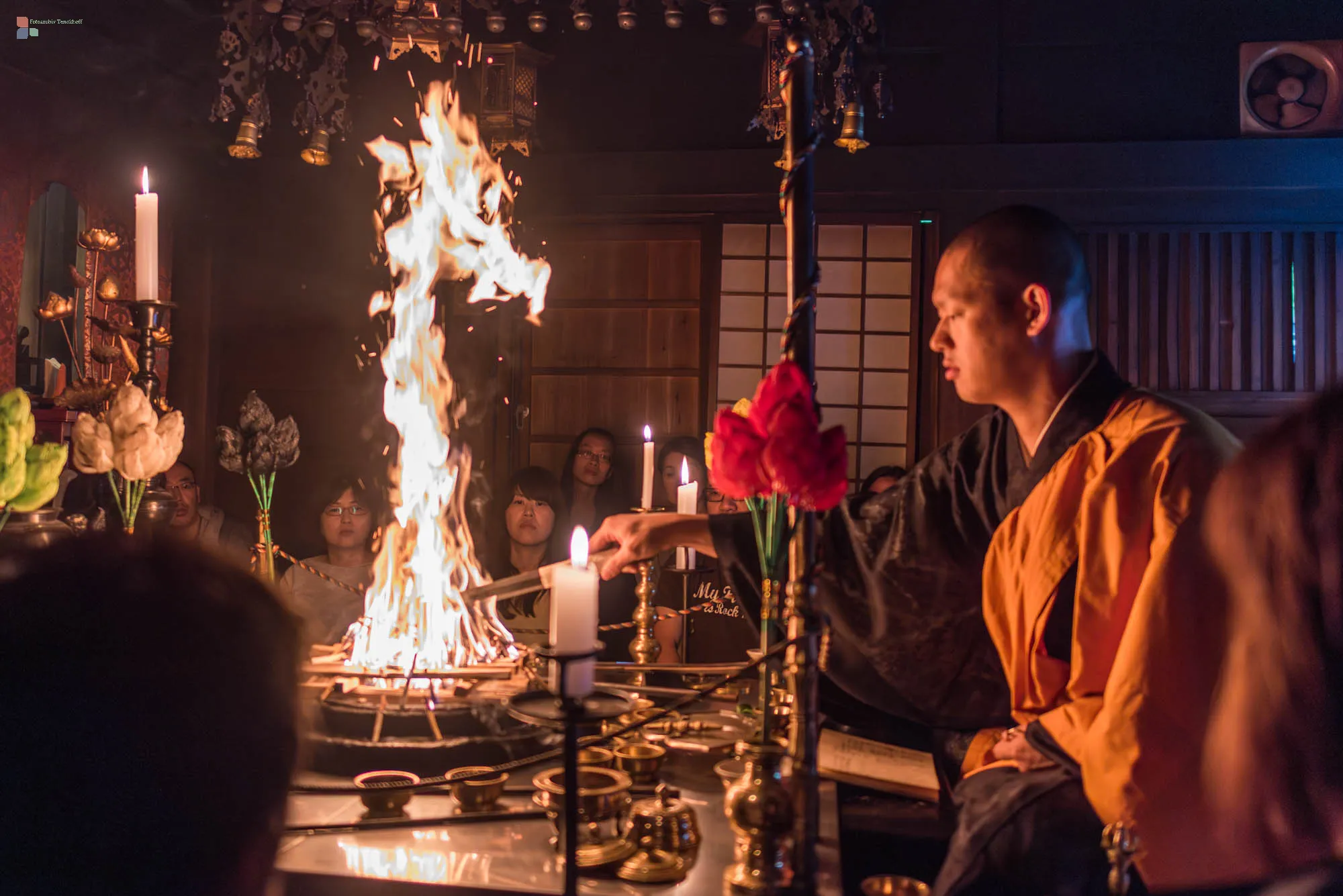
A special highlight was the early morning fire ceremony (Goma Hōyō).
In the dim temple hall, the monks lit the sacred fire, its flames rising to the rhythm of the sutras.
The heat, the drumbeats, and the scent of incense transformed the space into a threshold between worlds – purification, energy, and profound silence all at once.
In that moment, it became clear why Kōyasan is regarded as a place where the visible and invisible worlds meet.
(A video of this ceremony is included at the end of this post.)
When, during the ritual, someone perceives a dragon (Ryū) in the rising flames, it is seen as a sign of deep spiritual insight – a direct manifestation of Buddha-wisdom appearing through the fire.
The Legend of Kūkai and the Vajra
A legend tells how Kūkai found this sacred place:
As a young man, he traveled to Tang China to study Esoteric Buddhism (Mikkyō 密教).
Before returning to Japan, he threw a vajra (金剛杵, kongōsho) – a small ritual thunderbolt – into the eastern sky and prayed:
“May this vajra fall upon the place where I shall establish the teaching of the True Word (Shingon).”
After returning to Japan in 806 CE, Kūkai searched for this place.
He meditated in caves on Shikoku and heard of a mysterious mountain plateau in the Kii province – surrounded by eight peaks shaped like the petals of a lotus flower.
As he approached the mountains, a mysterious hunter with two dogs – one white, one black – appeared and guided him through the forest to a clearing at 800 m altitude.
There Kūkai recognized in the landscape the Mandala of the Universe, the form of the Lotus with Eight Petals, which surrounds the cosmic Buddha Dainichi Nyorai (Mahāvairocana).
He began to meditate and found, in a nearby tree, the vajra he had once cast into the sky in China – still intact, lodged in a branch.
Kūkai took this as a cosmic sign: here was the place destined for him.
He named it Kōyasan (高野山) – “Mountain of the High Plain.”
In 816 CE he founded Kongōbu-ji, and the surrounding peaks came to symbolize the eight petals of the Lotus Mandala – the center of universal awakening.
Symbolism and Meaning
The vajra represents unshakable wisdom.
The Lotus Mountain symbolizes purification and awakening.
The black and white dogs embody Yin and Yang – duality united.
The hunter is seen as an incarnation of the protective deity Kariba Myōjin, who guided Kūkai to the site.
In its inner meaning, the legend is an allegory:
The vajra – the spiritual insight – is cast into the world, and when it returns, it reveals to us where our own “sacred mountain” lies:
the place where knowledge and world become one.
Afterword
Kōyasan is a place where history, legend, and presence intertwine.
Those who stay there sense that this mountain is not merely geographical but an inner landscape – a topography of awakening.
Perhaps this is Kūkai’s true legacy: the realization that the sacred mountain is not beyond us, but within ourselves.