In this article: Pashupatinath – On the River of Life and Farewell
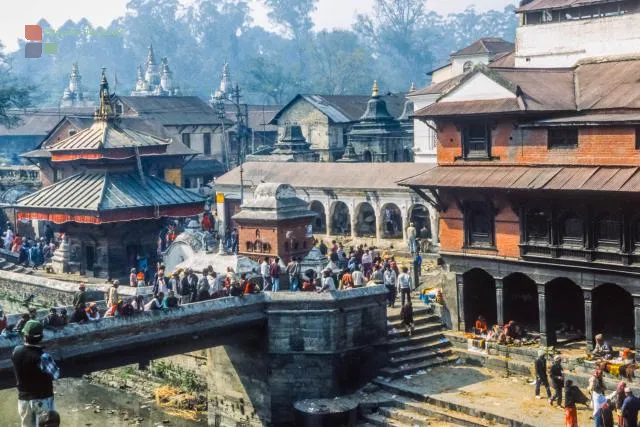
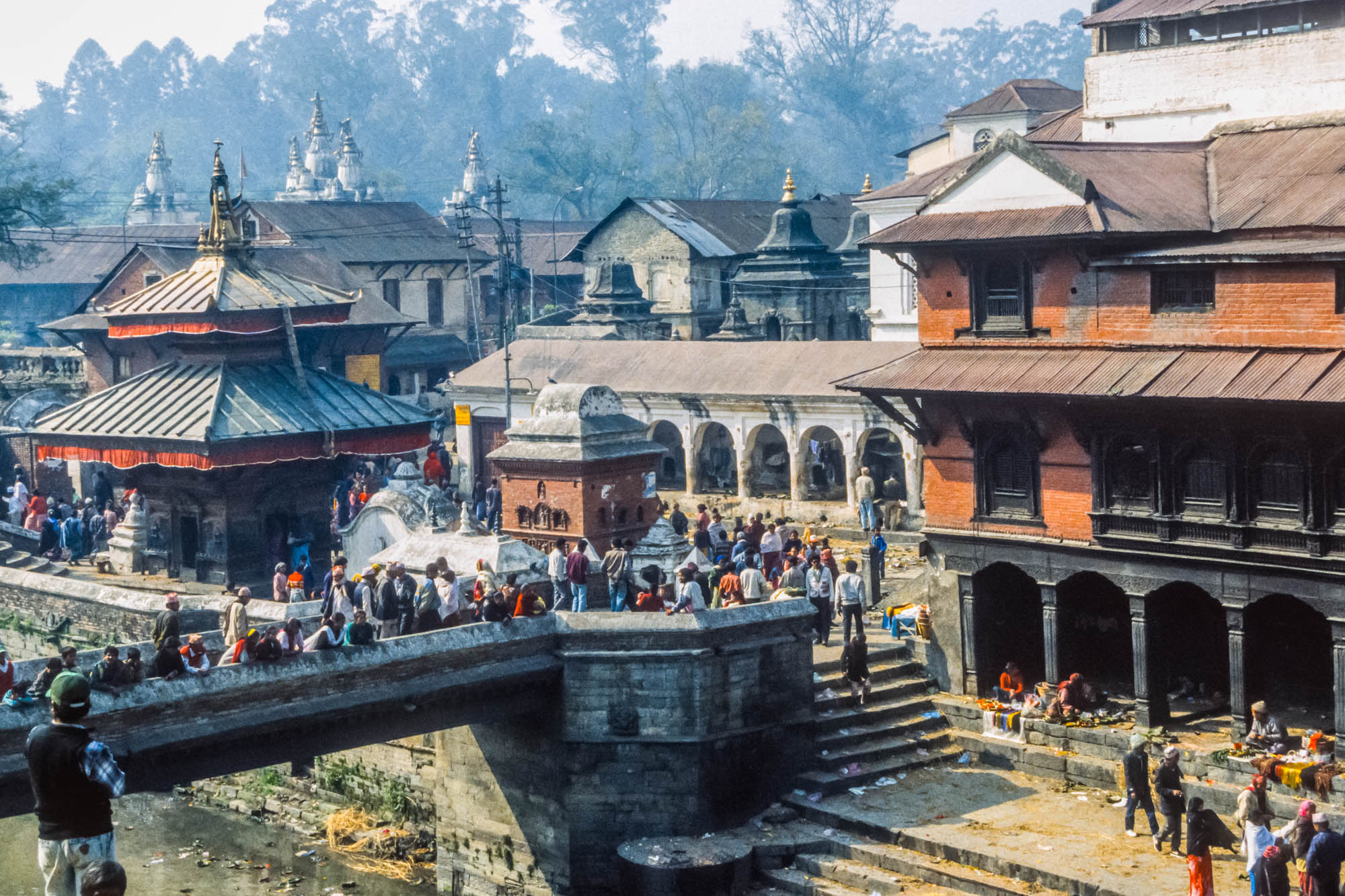
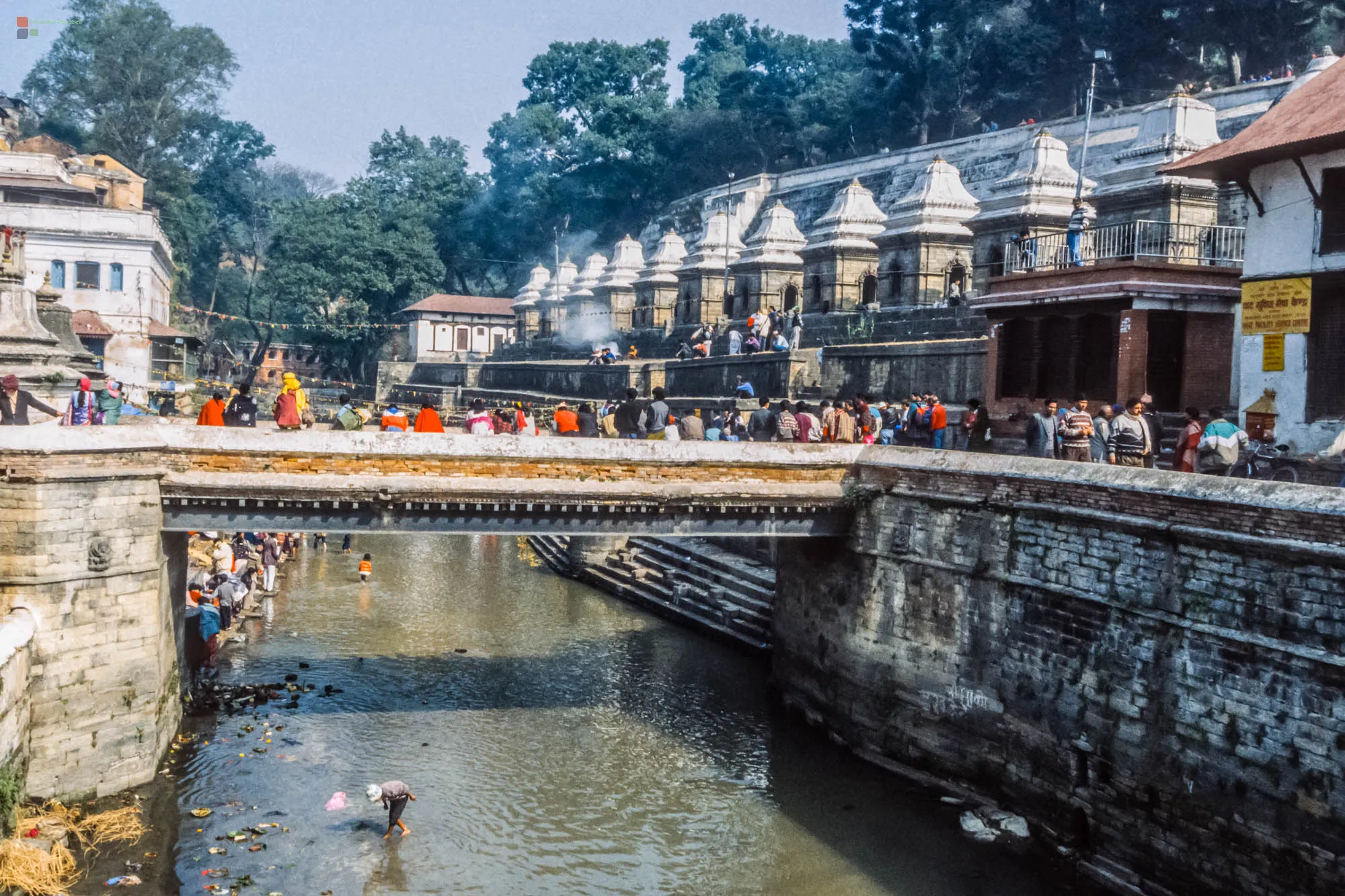
On the banks of the Bagmati River, east of Kathmandu’s city center, lies the Pashupatinath Temple – one of the holiest sites of Hinduism. A bridge leads across the river to a wide stone staircase where people pray, bathe, and perform rituals of farewell. It is a place where life reveals its impermanence – and at the same time, its spiritual depth.
A Sanctuary of Shiva
The temple is dedicated to Shiva in his form as Pashupati – “Lord of All Living Beings.” The main shrine, a golden-roofed pagoda of stone and wood, houses a sacred Shiva lingam that only Hindus may enter. Around it, smaller shrines, ashrams, and stone pavilions line the hillside, descending toward the river.
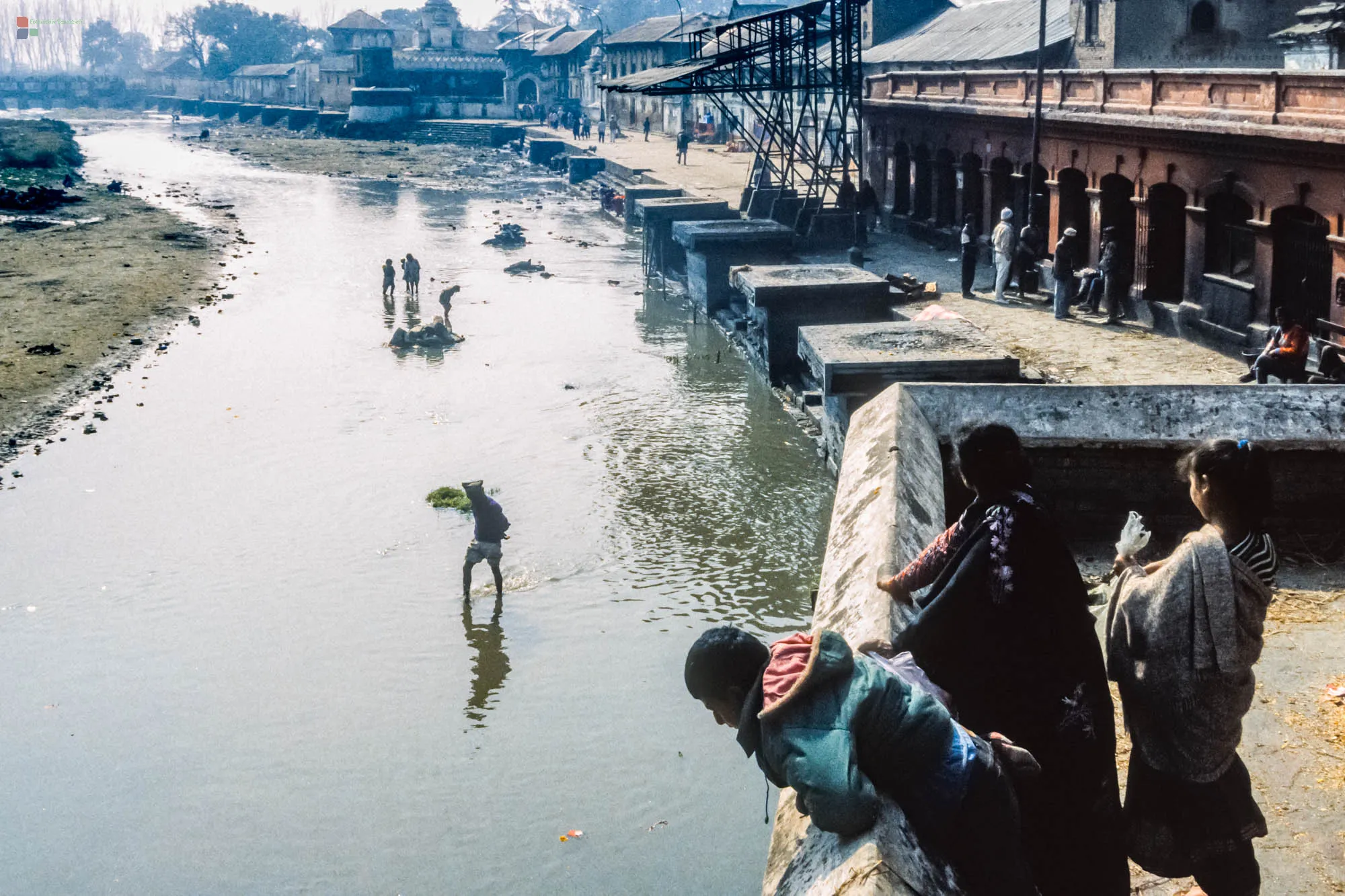
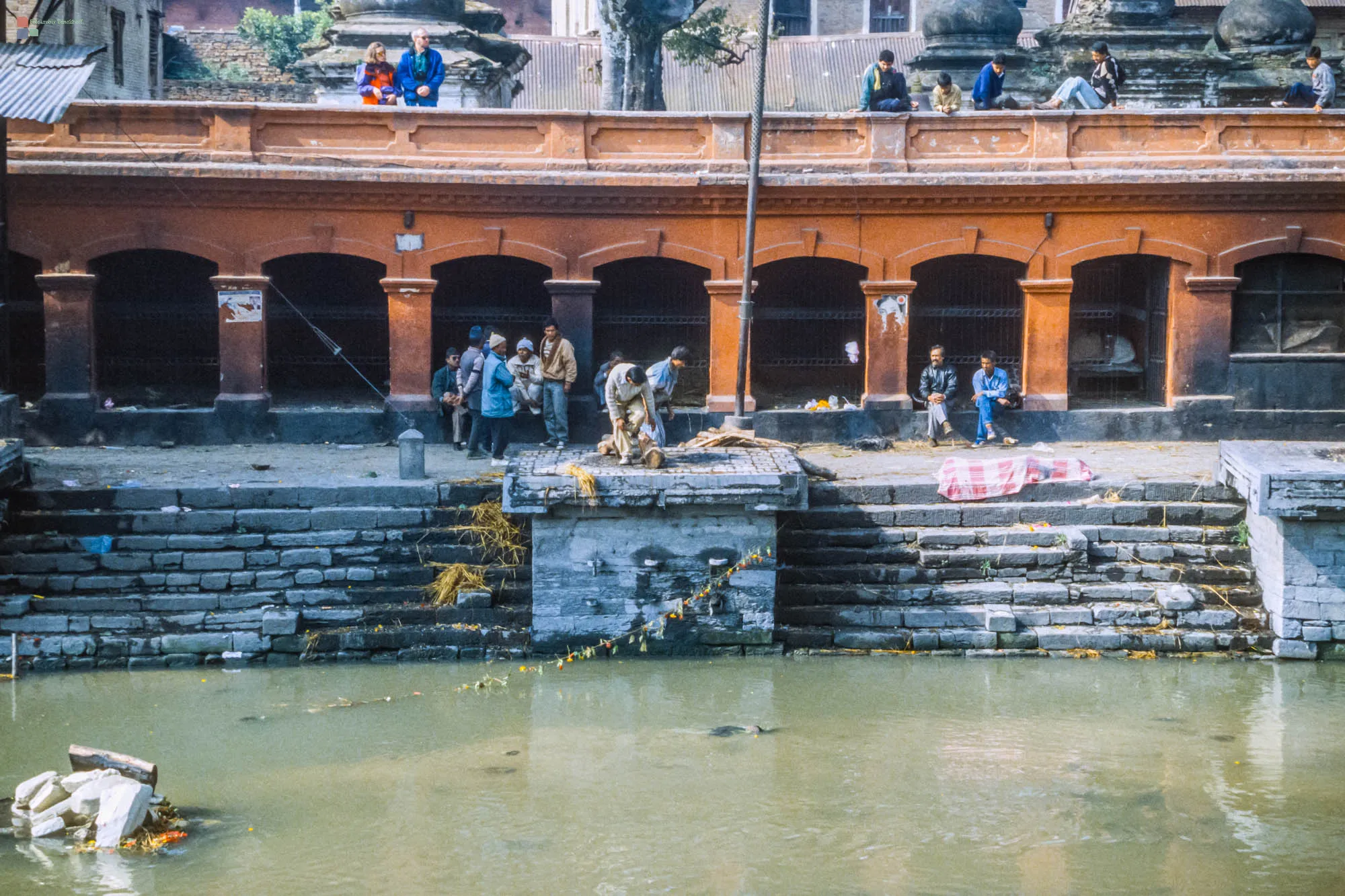
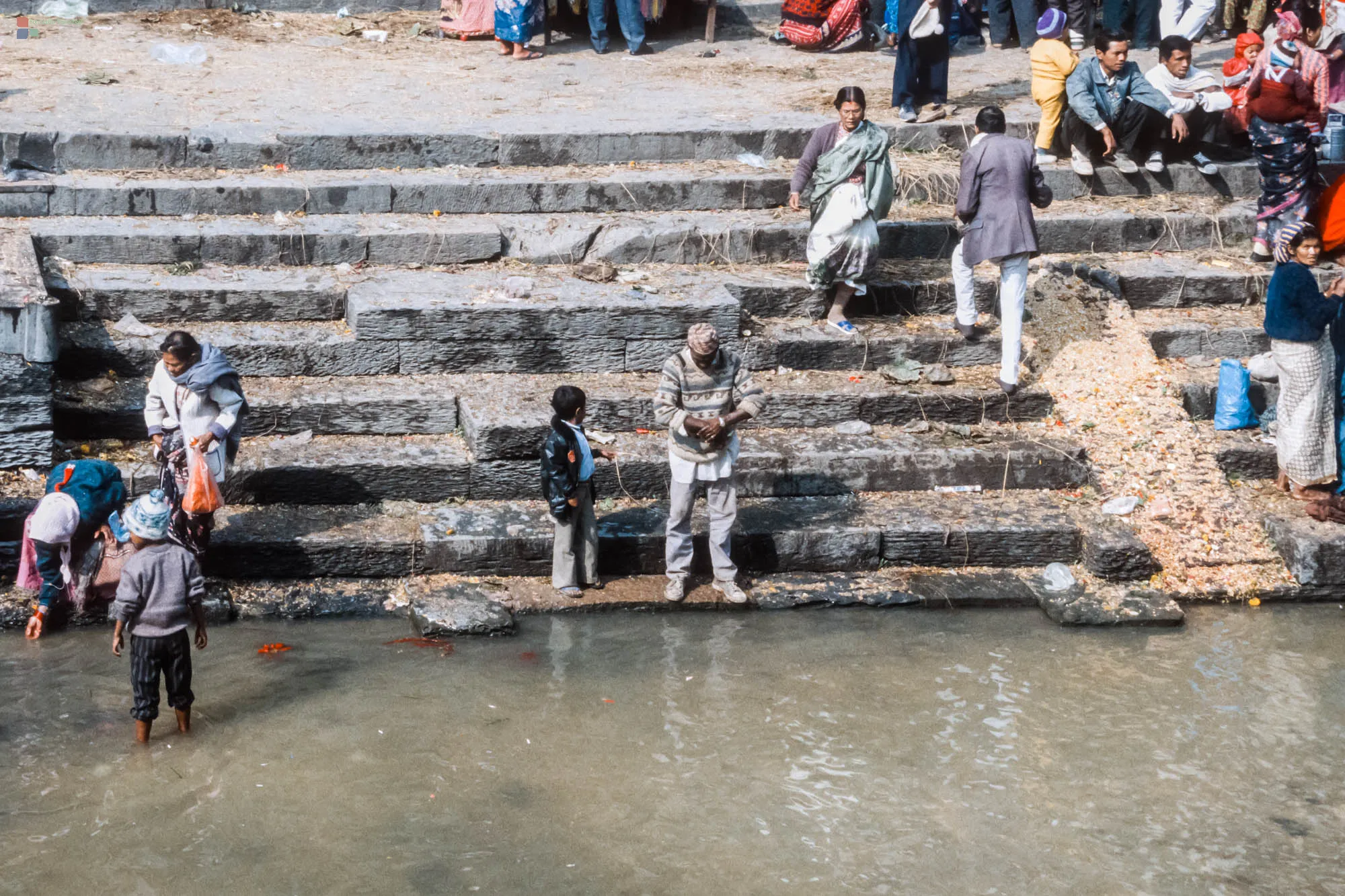
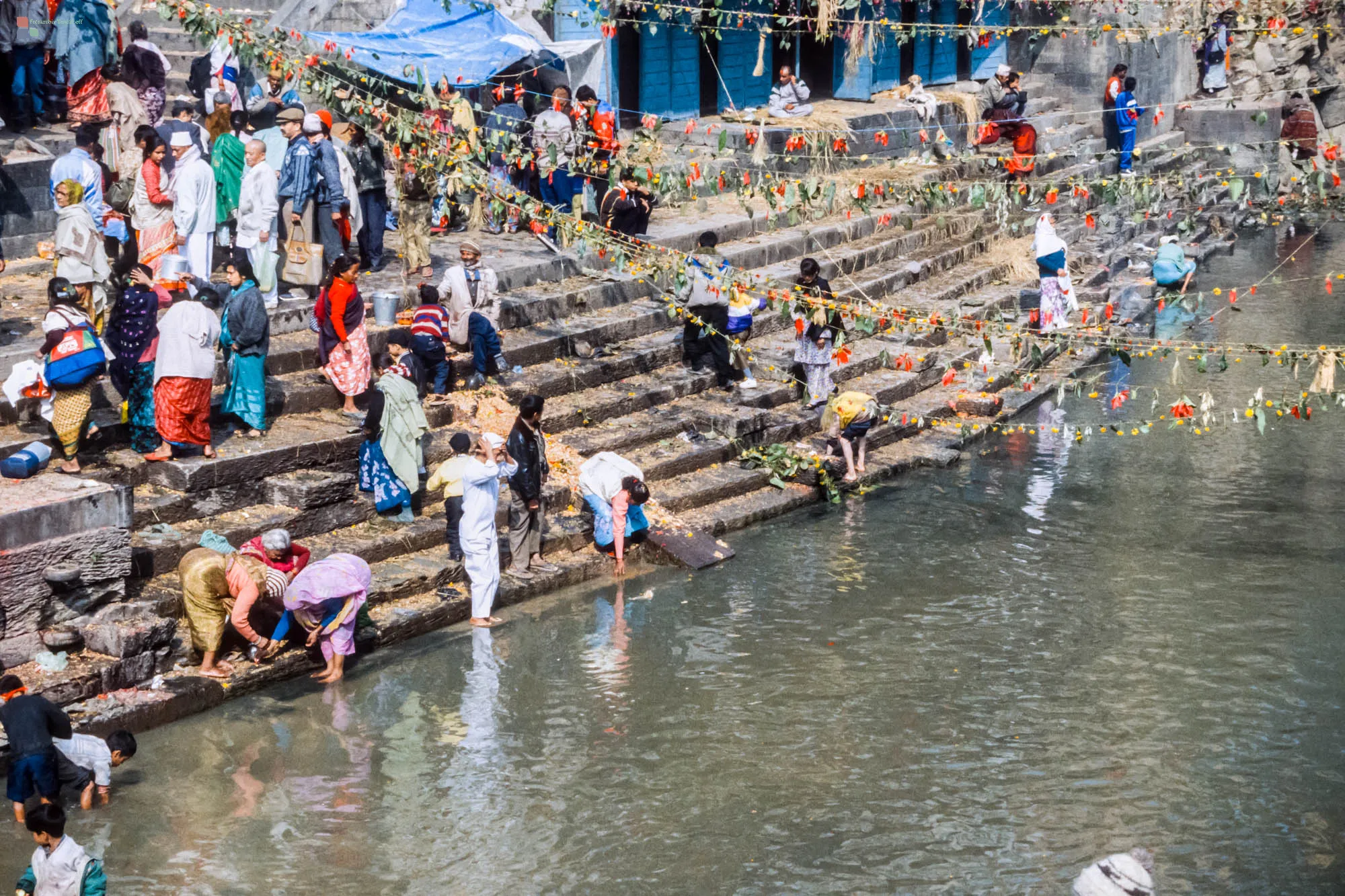
Pashupatinath is not only a place of worship but of transition. Here the dead are cremated while pilgrims chant mantras only a few steps away. The smoke from the pyres drifts across the water as the faithful draw water, offer flowers, and release them into the current – a moving choreography of life, death, and renewal.
Encounters by the Bagmati
As we crossed the bridge, the warm afternoon light fell on the old stones. On the steps, sadhus with painted faces sat quietly, some meditating, others lost in stillness. Along the riverbank, devotees bathed, children laughed, and birds circled above. Everything seemed in balance – motion and silence, sound and stillness, the here and the beyond.
From the opposite bank, the view revealed the entire complex: the gilded roofs, the terraces, and the water that connected everything. It felt as if the place itself carried a kind of awareness beyond time and form – a reminder that all things pass, and yet something endures.
Between Heaven and Earth
Pashupatinath is not a place for haste. It calls for quietness and draws the visitor into the great cycle that can almost be felt in the air. The murmur of the river, the rising smoke, the prayers, and the light – everything merges into an experience that cannot be captured, only sensed. Whoever lingers here encounters not only a temple, but life itself.