Islam

On this page: Islam — Parents: Fotografische Themen › Kultur › Religionen — Photography, Technology & Science at the Tenckhoff Photo Archive.

Image

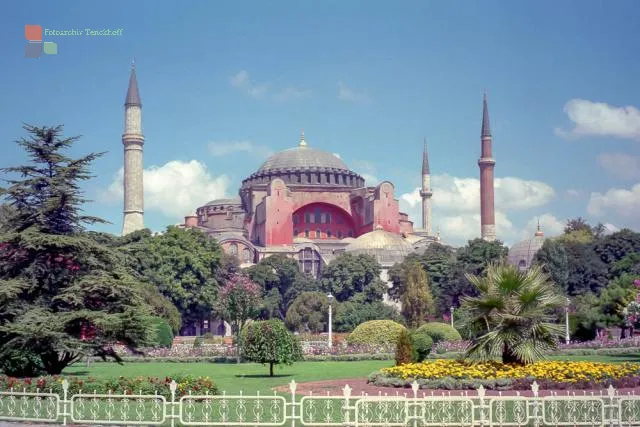
Islam emerged in the 7th century CE on the Arabian Peninsula. The Prophet Muhammad is regarded as the final messenger of God, whose revelation is recorded in the Qur’an. The term “Islam” means submission to God, and a “Muslim” is one who consciously lives in that submission.

The faith rests on the Five Pillars of Islam: the declaration of faith (Shahada), ritual prayer (Salat), almsgiving (Zakat), fasting during the month of Ramadan (Sawm), and the pilgrimage to Mecca (Hajj). These practices structure religious life and nurture community, discipline, and compassion.

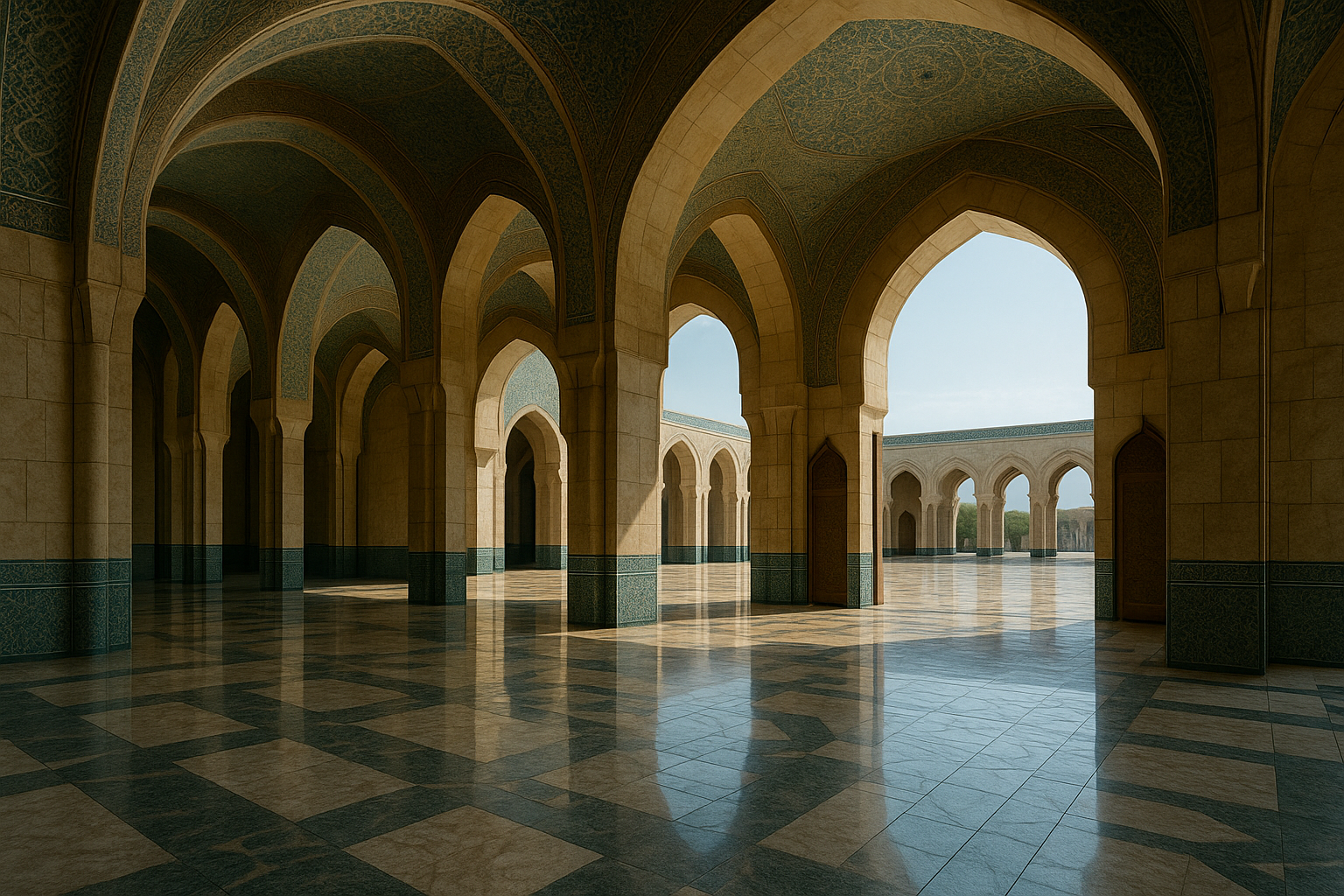
Islam integrates belief, ethics, and law into a comprehensive worldview. Beyond the major Sunni and Shia branches, Sufism represents the mystical dimension of Islam, emphasizing love, remembrance, and inner purification.

Historically, Islamic civilization contributed greatly to science, medicine, philosophy, and the arts. In the contemporary world, Islam continues to engage in dialogue with modernity, democracy, and interfaith understanding. Its core message affirms the unity of God (Tawhid) and the moral responsibility of humankind to pursue justice and peace.

Mezquita-Catedral de Córdoba – Between Light, Stone, and Faith
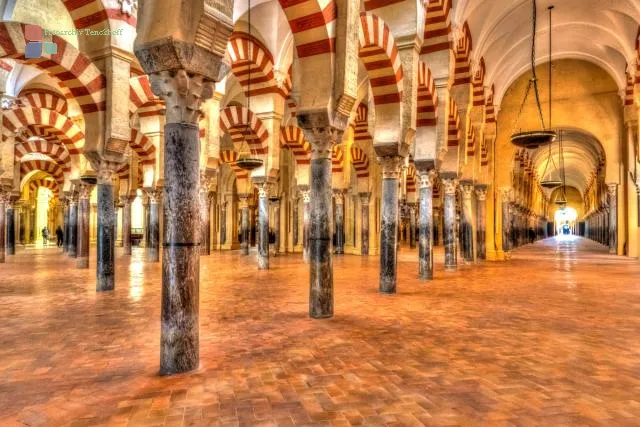
The Mezquita-Catedral de Córdoba unites mosque and cathedral in one luminous structure. Light, stone, and history merge into a space where faiths meet — a timeless dialogue between architecture, memory, and belief.


THE MYSTERY OF BANKSY - A GENIUS MIND

The exhibition THE MYSTERY OF BANKSY - A GENIUS MIND in Cologne successfully conveys Banksy's well-founded social criticism with around 150 of his works.