Nagasaki

On this page: Nagasaki — Parents: Asien › Japan — Photography, Technology & Science at the Tenckhoff Photo Archive.

Nagasaki is located on the Japanese island of Kyūshū and is the capital of Nagasaki Prefecture. The city became world-famous due to the atomic bombing on August 9, 1945. Today, Nagasaki symbolizes peace and reconciliation, represented by the Peace Park and the Atomic Bomb Museum. Historically, Nagasaki was one of the few Japanese ports open to international trade between the 17th and 19th centuries, a legacy still visible in its cityscape.

Atomic bomb over Nagasaki
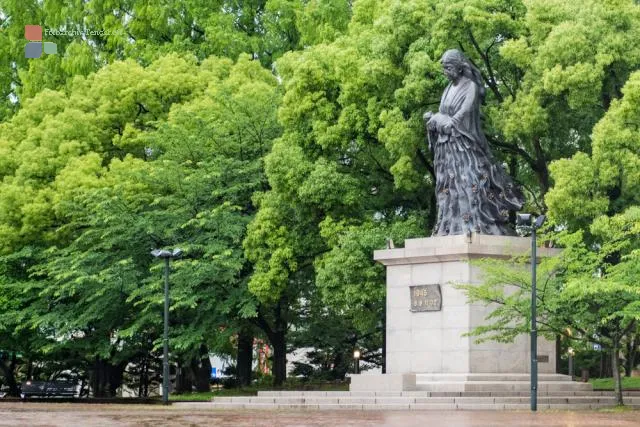
The second atomic bomb dropped by the Americans over Japan was nicknamed Fat Man and when it was dropped on August 9, 1945 in Nagasaki, it killed 36,000 people immediately and countless later, who ultimately died as a result of the radioactivity.

Nagasaki was chosen by the Americans because, in addition to its economic importance, the location of the city and its surrounding mountain slopes promised the maximum destructive effect of the dropped atomic bomb.
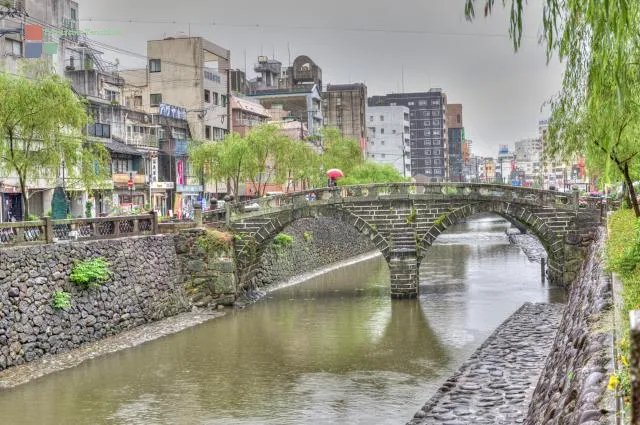
Nagasaki after the World War

Originally an insignificant fishing village, Nagasaki experienced a sustained boom with the arrival of the Portuguese in the mid-16th century. This is considered to be the first contact between Europeans and Japanese ever. The missionary F. Xavier founded the basis for the Jesuit missionary work there and soon Christian churches and nursing homes were established. This went hand-in-hand with the growing prosperity of the small town, which did not go unnoticed by the mighty of Japan, and thus not without consequences for the peaceful community of Nagasaki.