Electromobility

On this page: Electromobility — Parents: Fotografische Themen › Energie — Photography, Technology & Science at the Tenckhoff Photo Archive.

Electromobility (or e-mobility) refers to the use of electrically powered vehicles for transporting people and goods. Key points include:

  • Vehicles driven by electric motors, using electricity as the primary energy source. 

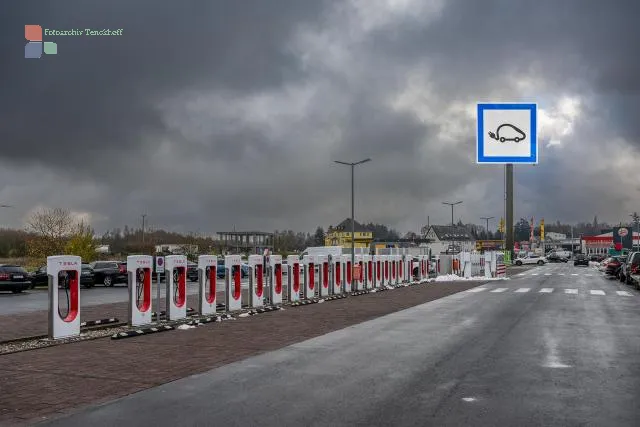
  • These energy sources may include batteries (battery‐electric vehicles, BEVs), plug-in hybrids (PHEVs), fuel cells, or external power supply (e.g., via overhead lines or charging stations)

  • The goal is to reduce greenhouse gas emissions, air pollution, noise, and dependence on fossil fuels.

  • Electromobility also involves infrastructure (charging stations, grid capacity), regulatory/policy support, battery technology, energy supply, life-cycle analysis, etc.

Mustang Mach-E – When Horsepower Turns Silent
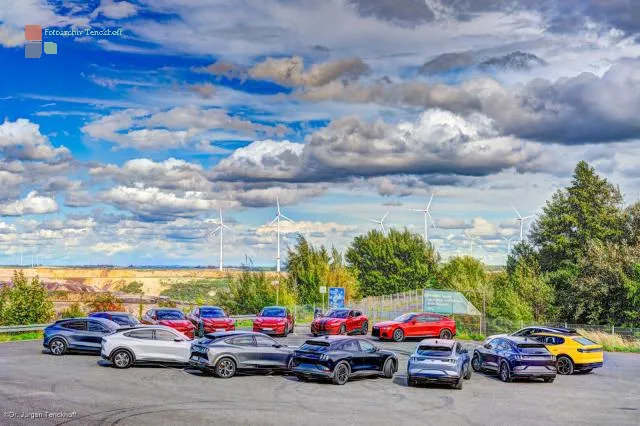
“Ford’s Mustang Mach-E redefines the legend for the electric age. Our journeys through 22 countries – from the North Cape to Gibraltar – and two community events in Bingen (2024) and Cologne show how silent horsepower can connect people and make sustainable driving genuinely exciting.”

With 25 wild mustangs across the Rhine

How do you get 25 wild Mustangs across the Rhine without any problems? We demonstrated it at the 4th Mustang Mach-E meeting at Vollrads Castle on September 14, 2024 during a subsequent ferry ride.

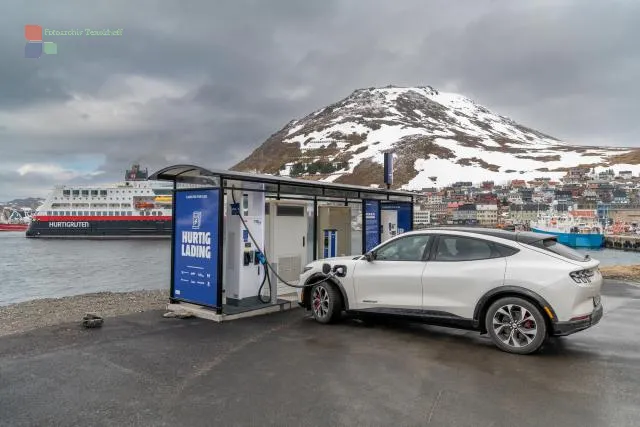
From Karasjok to North Cape

From Karasjok you first take the E6 to Olderfjord, where you change to the European route E69, which leads directly to the North Cape.