In this article: Between fog, music and shells – The Sydney Opera House

A Photographic and Musical Journey into the Heart of a Symbol
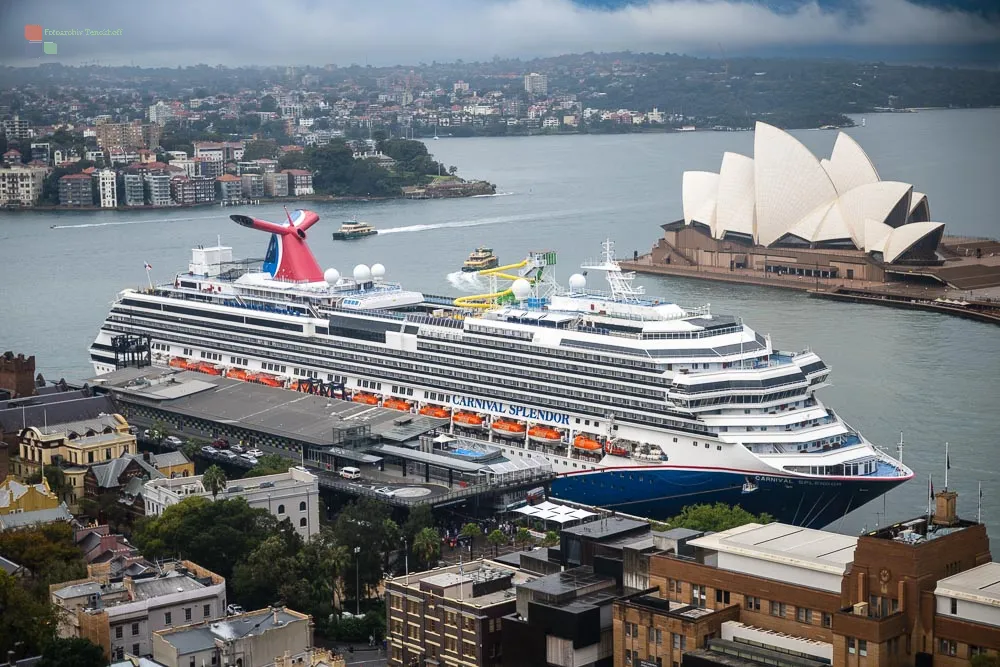
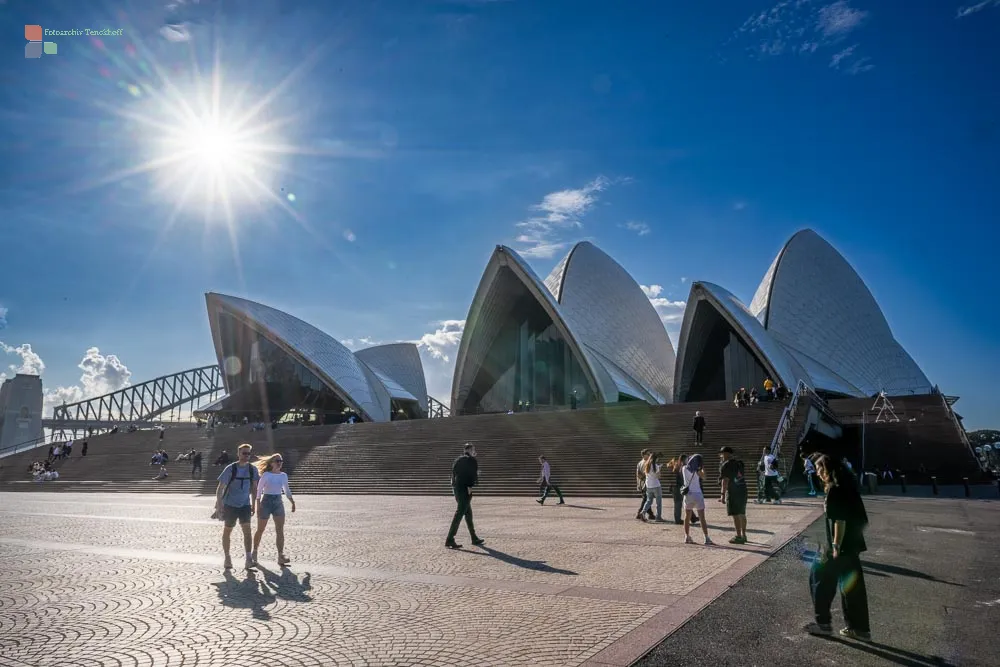
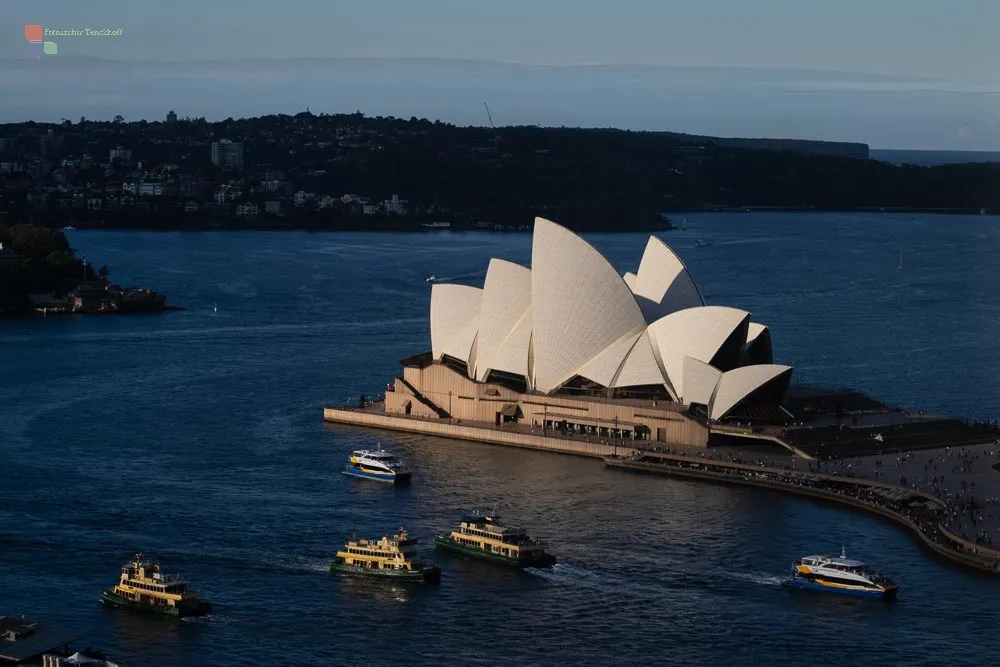
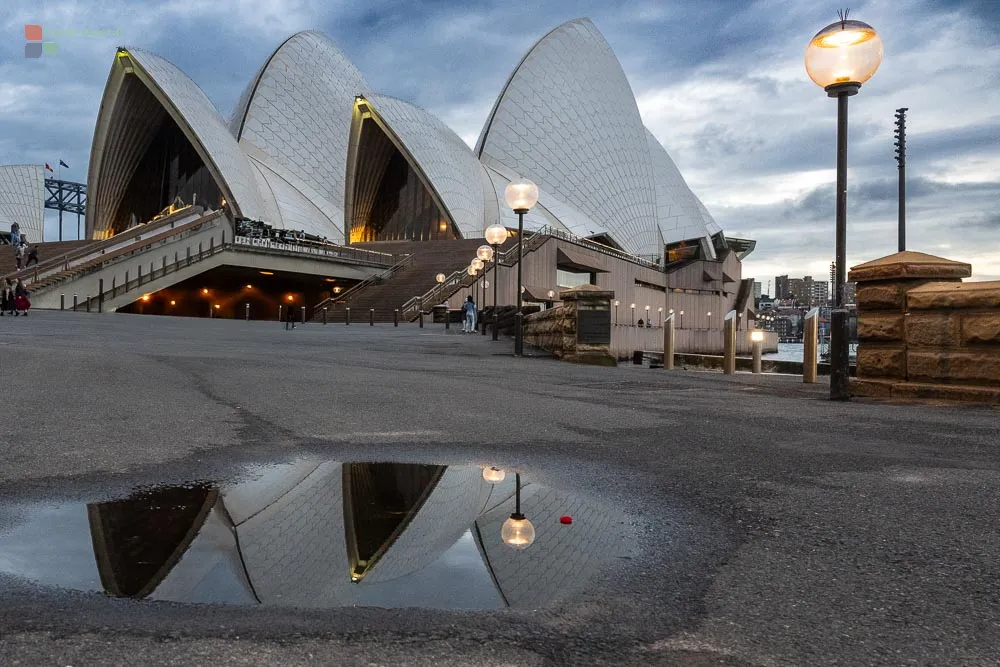
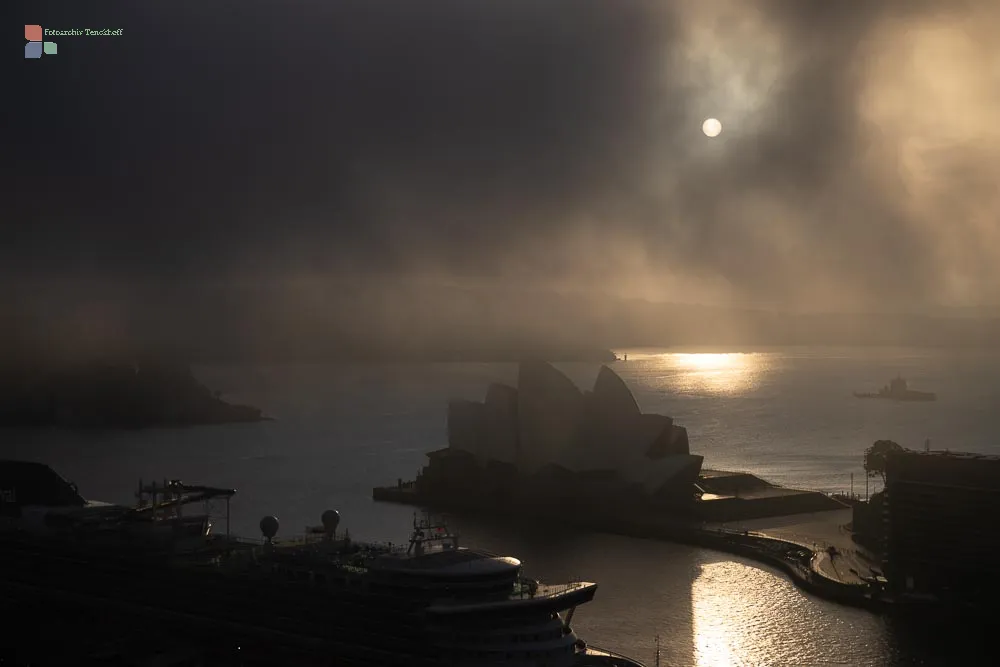
There are buildings that change with every step – Sydney Opera House is one of these living architectures. In the soft morning light, when fog cloaks the harbour and the Opera’s “sails” appear like ghosts from another time, it begins to whisper. Later, under the glaring sun, its geometric shapes emerge with clarity and confidence. Small ferries dance before its backdrop, as if joining a maritime ballet – until a cruise ship glides past like a sluggish colossus, momentarily dominating the scene.
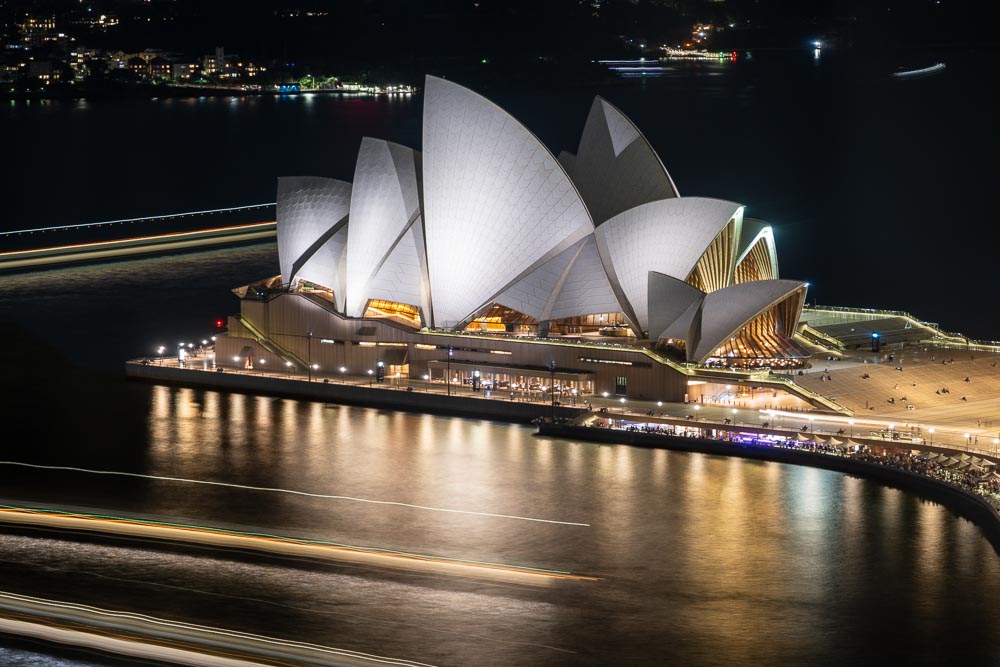
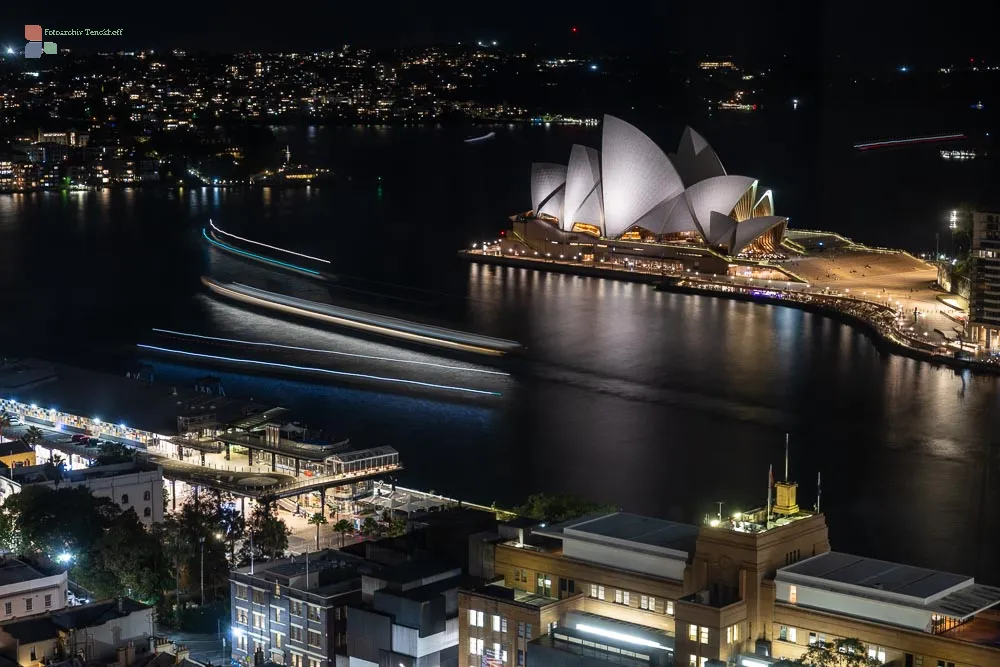
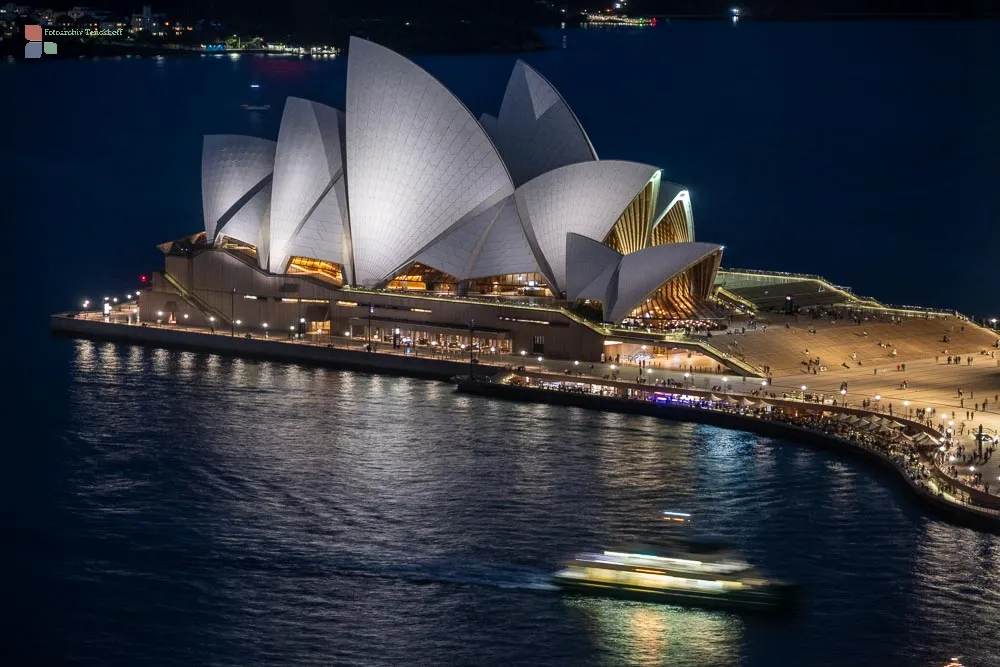
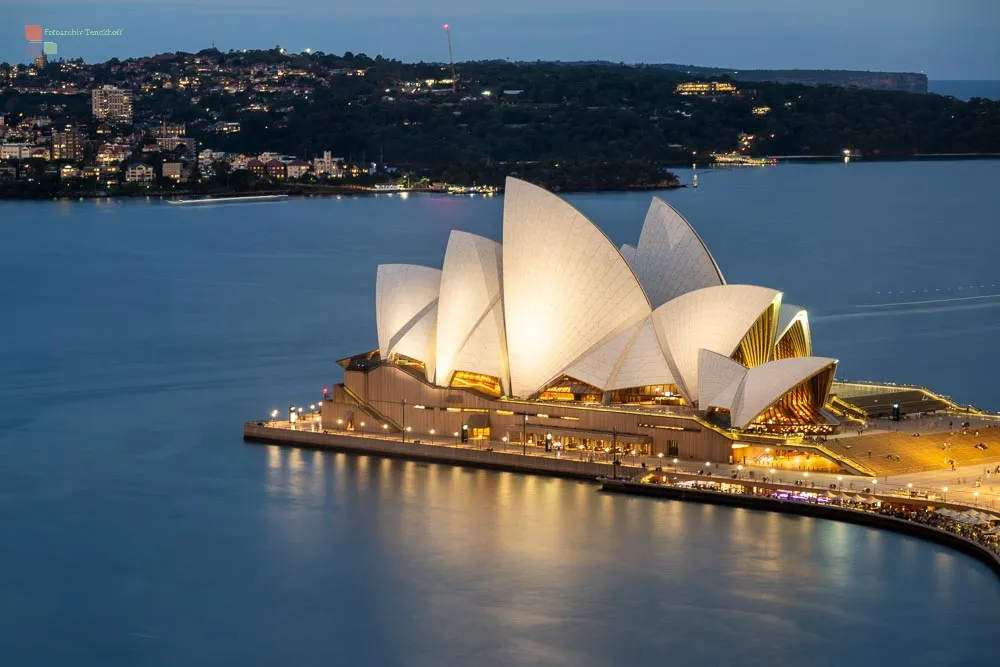
But only at night, when the city’s lights reflect off the silky-smooth water – captured in a long exposure – does the Opera reveal its full magic. It becomes a stage of dreams, a seashell enclosing the sound of the world.
🎼 A Performance of Emotion – Prokofiev and Brahms at the Sydney Opera House
That I managed to get tickets at short notice felt like a stroke of luck. And what a performance it turned out to be!
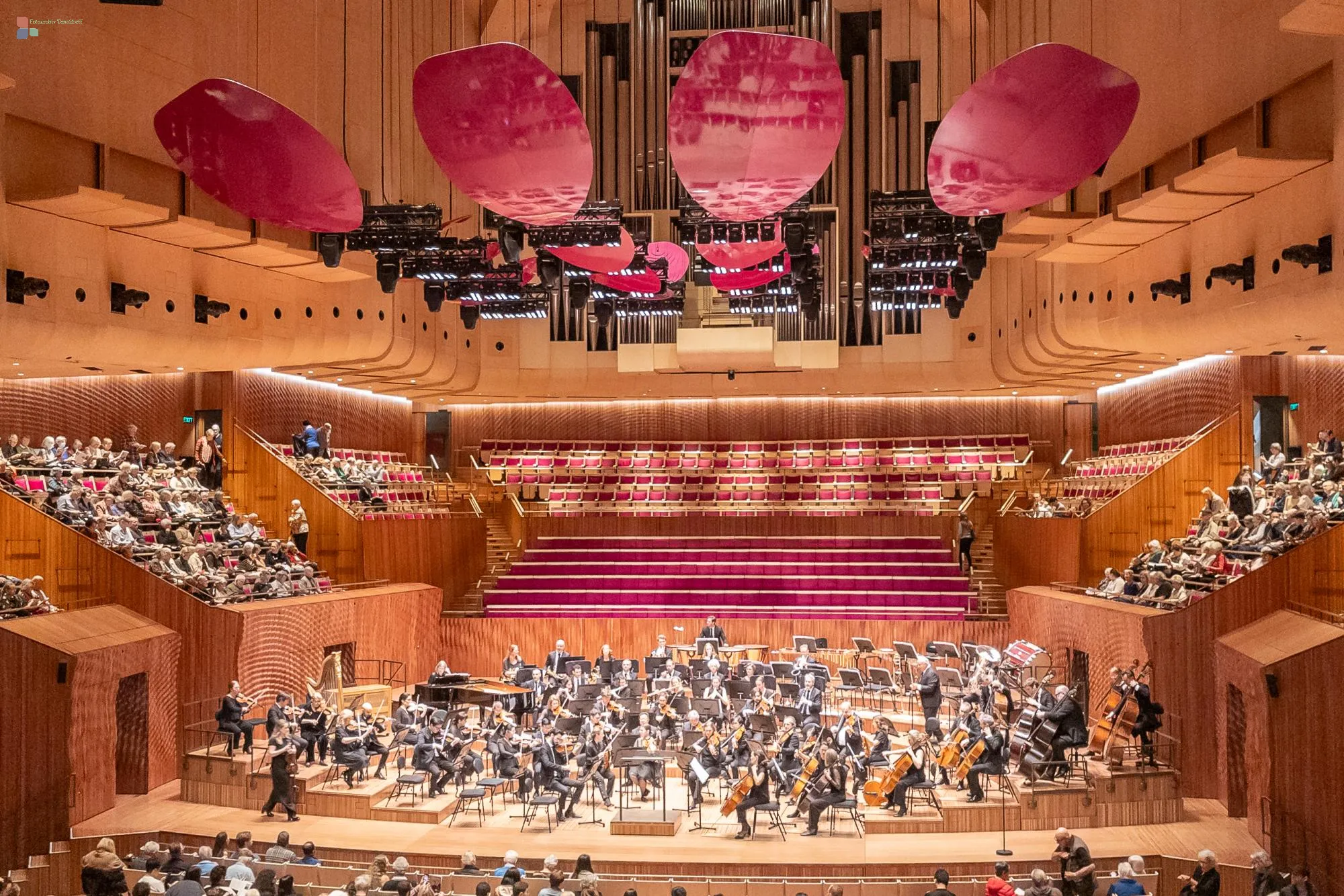
It began with excerpts from Romeo and Juliet by Sergei Prokofiev – suites from Opp. 64a and 64b, about fifteen minutes of condensed emotion, orchestrated with that unique mix of tragedy and dance-like grace that only Prokofiev masters.
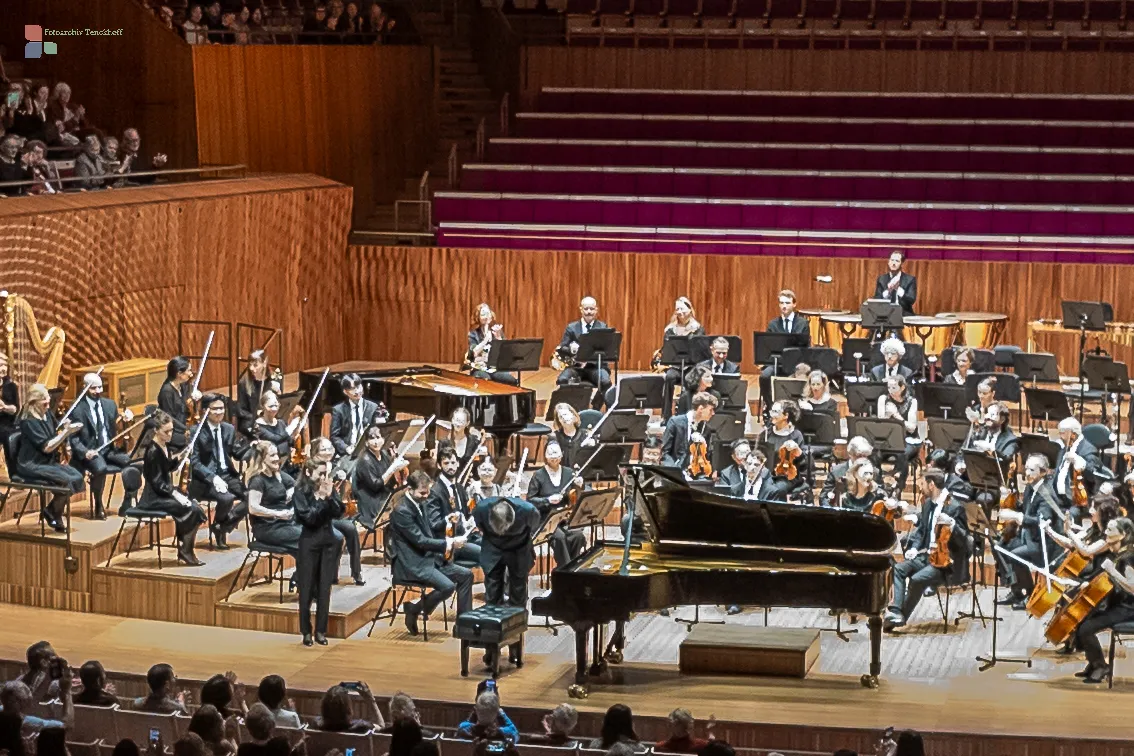
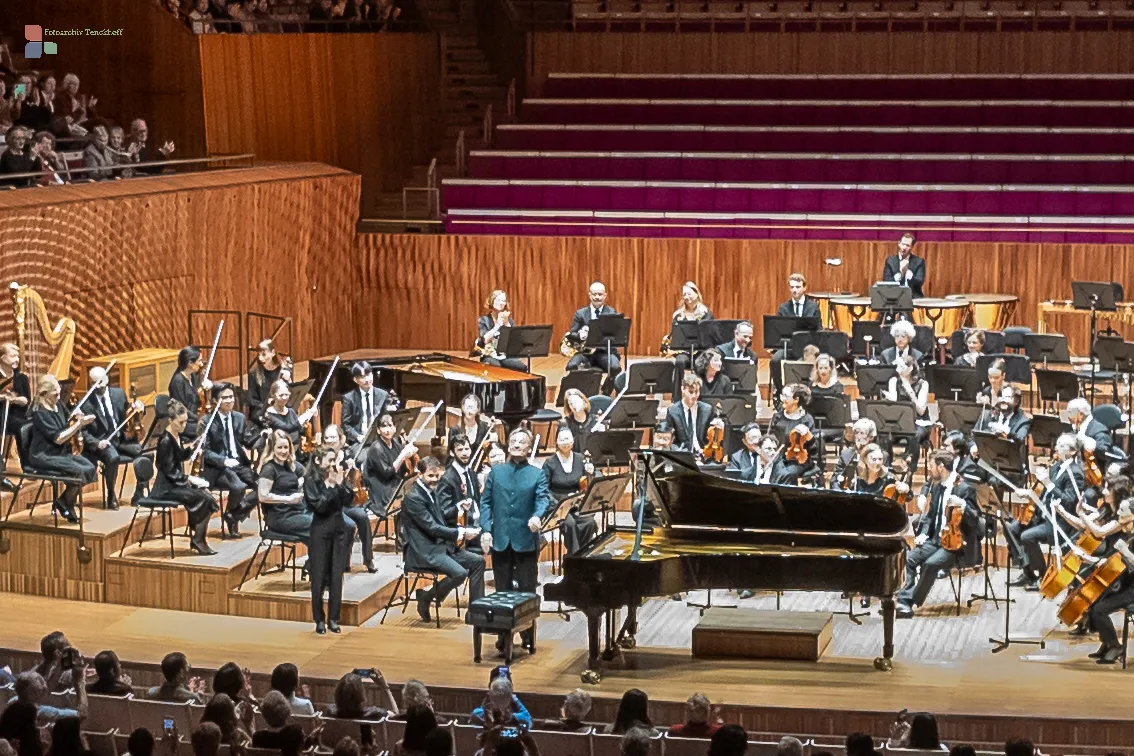
This was followed by a monument of Romanticism: the Piano Concerto No. 1 in D minor by Johannes Brahms. Sir Stephen Hough at the piano was in a class of his own – precision, expressiveness, and humility before the work. And then came Elim Chan: a conductor who doesn’t just lead but lives, waves, breathes, explodes – with a presence that gripped the hall. Should she conduct Mahler one day, I will be in the front row.
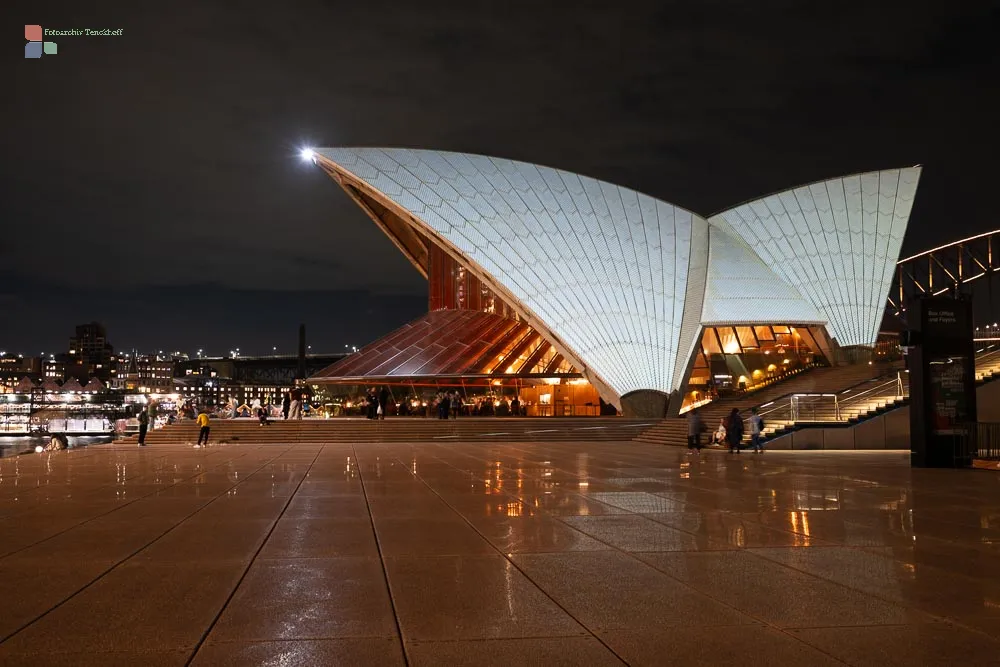
(Photography was not permitted during the concert – but I was able to capture the beginning and end, preserving a glimpse of an evening that still resonates.)
🌀 Architecture as Music – The Story of the Opera House
The Opera House was designed by Danish architect Jørn Utzon, who won a 1957 competition with his visionary concept – unaware that his design would become an icon. The white sails – or seashells – inspired by orange segments, boat hulls or clouds, form not only an architectural masterpiece but also a symbol of openness and expanse.
Utzon himself did not witness the 1973 opening, having withdrawn from the project in 1966 due to political conflict. Yet his name remains forever tied to this place – a nexus of art, technology and human expression.
📷 Photographic Notes – Light, Water, Perspective
My camera was allowed to dance in this place:
– through morning mist and shimmering midday light,
– between ferries, waves and clouds,
– at night, when light becomes an echo of music.
Especially the long-exposure shot of the Opera at night is among my favourites – the water appears like glass, the Opera like an apparition. Perhaps a symbol of what this place truly is: a space between worlds – real and yet otherworldly.
🌒 Badu Gili – Light that Tells Stories
As darkness falls, another performance begins – one that sets the Opera House in motion: “Badu Gili: Healing Spirit”, a six-minute projection onto the eastern sails of the Opera, telling vivid stories of land, water, and culture through flowing forms and vibrant colours.
“Badu Gili” means water light in the language of the Gadigal, the traditional custodians of Bennelong Point. The current projection brings together the works of the late Bidjigal Elder Esme Timbery, her children Marilyn Russell and Steven Russell, and Joseca Mokahesi, a Yanomami artist from the Brazilian Amazon. Animated by Studio Vandal and accompanied by a specially composed soundscape by James Henry, the projection weaves together traditional shell art, prints, weaving and spiritual drawings into a layered light poem – one of healing, memory, and belonging.
📽️ I recorded the video during the evening and included it here – a fleeting yet powerful glimpse into a form of visual poetry that is only possible in this place, at this time, in this constellation.