In this article: Canso Crash – A WWII Aircraft Wreck in the Jungles of Vancouver Island
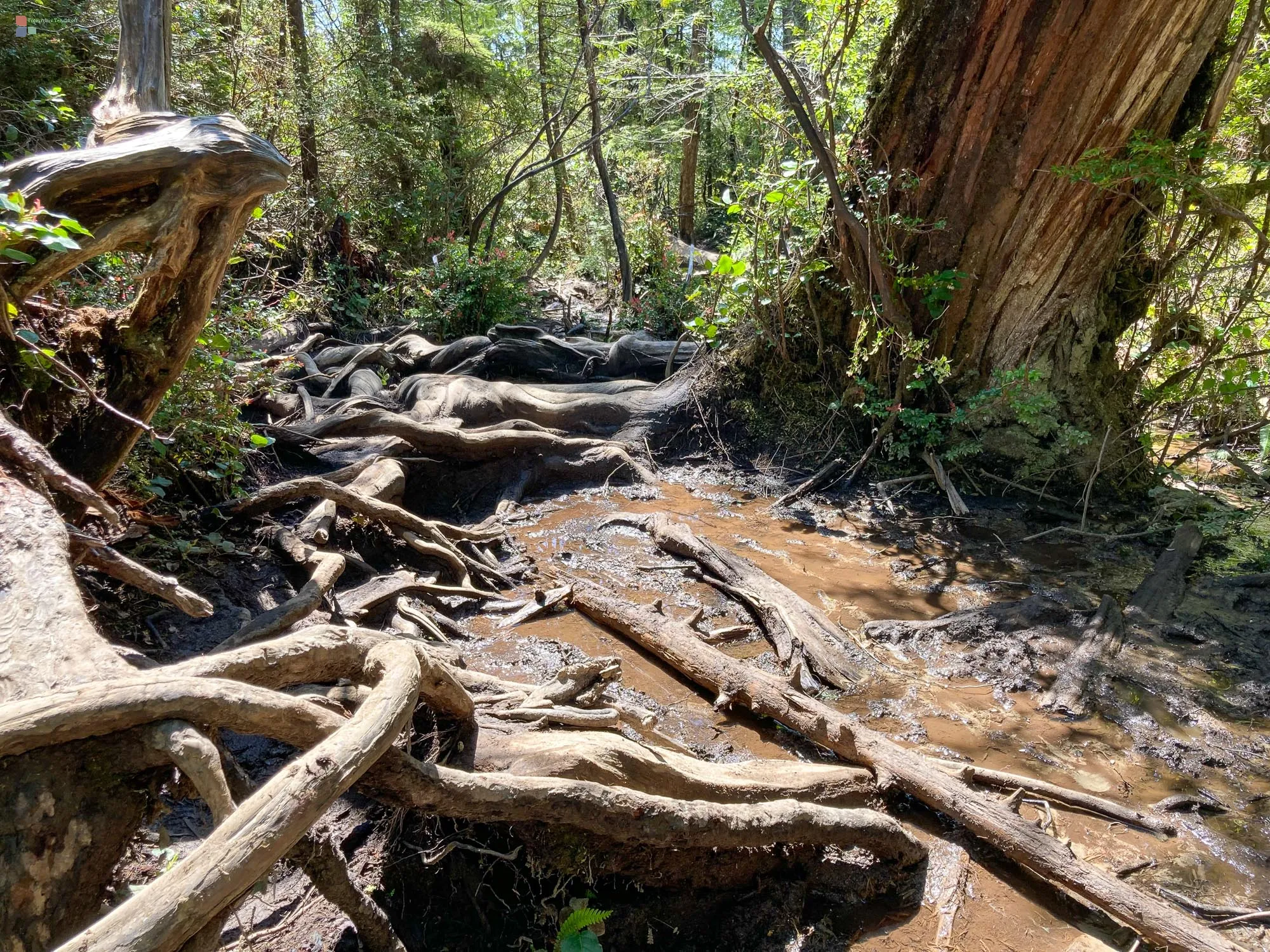
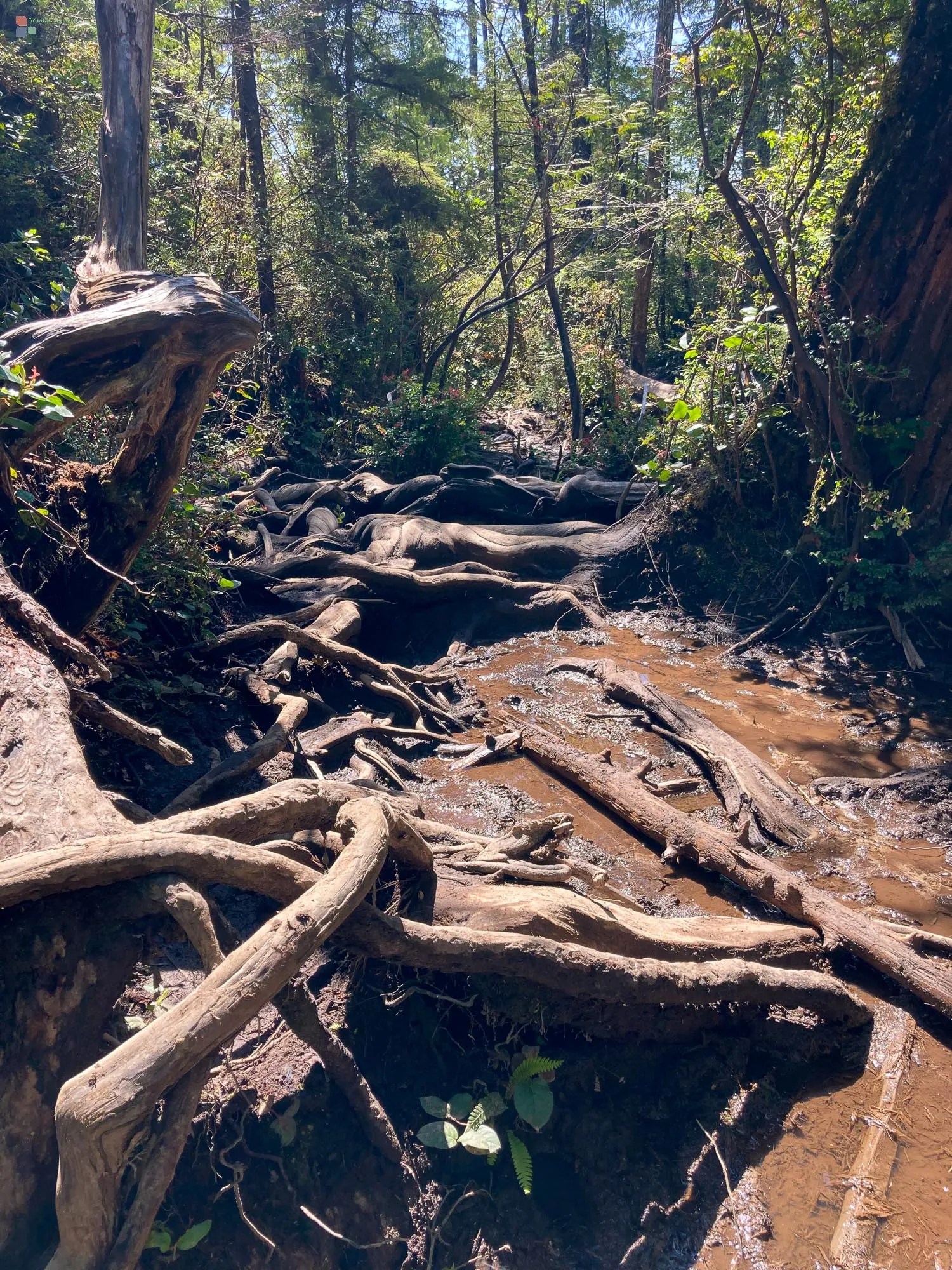
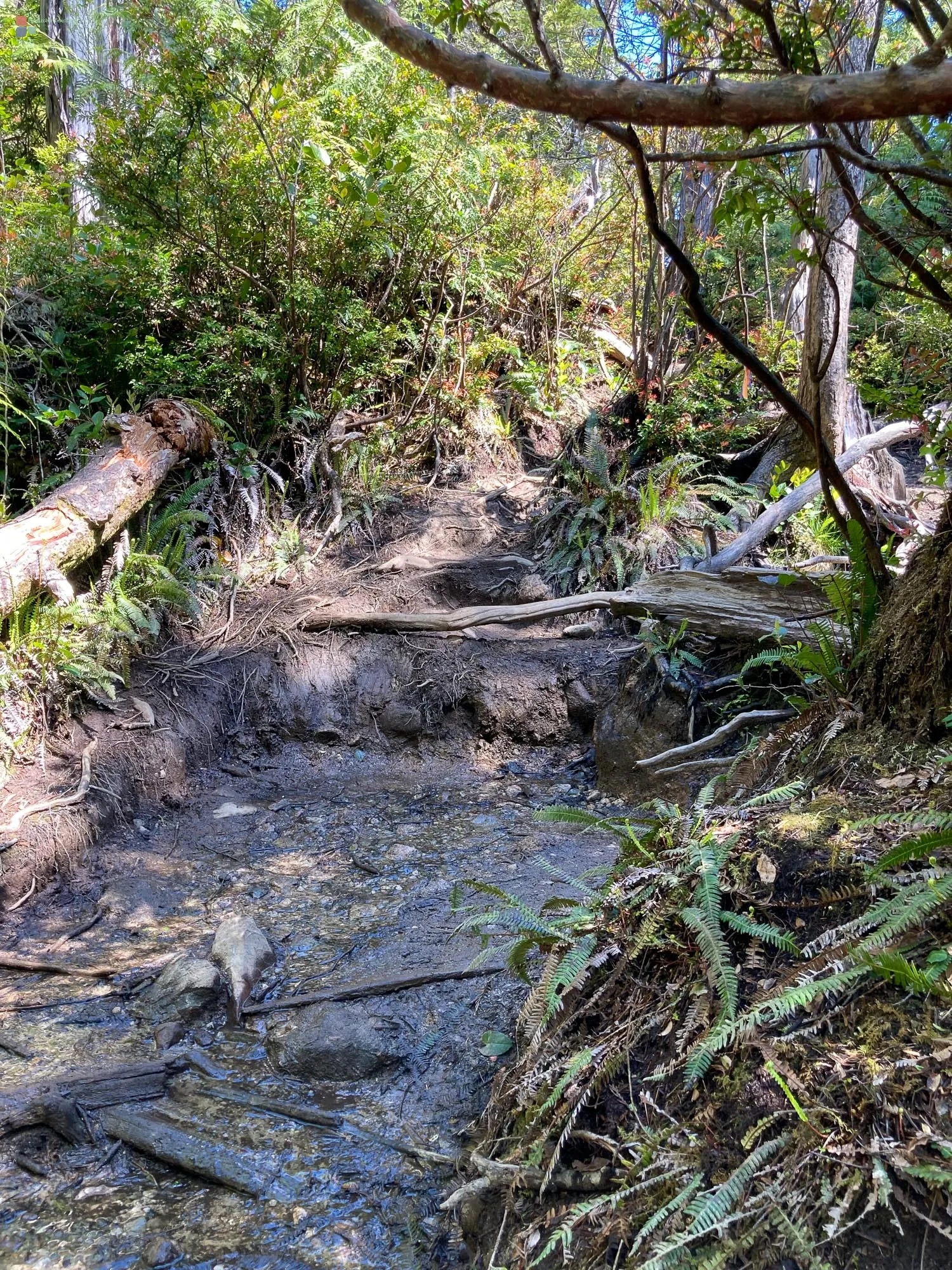
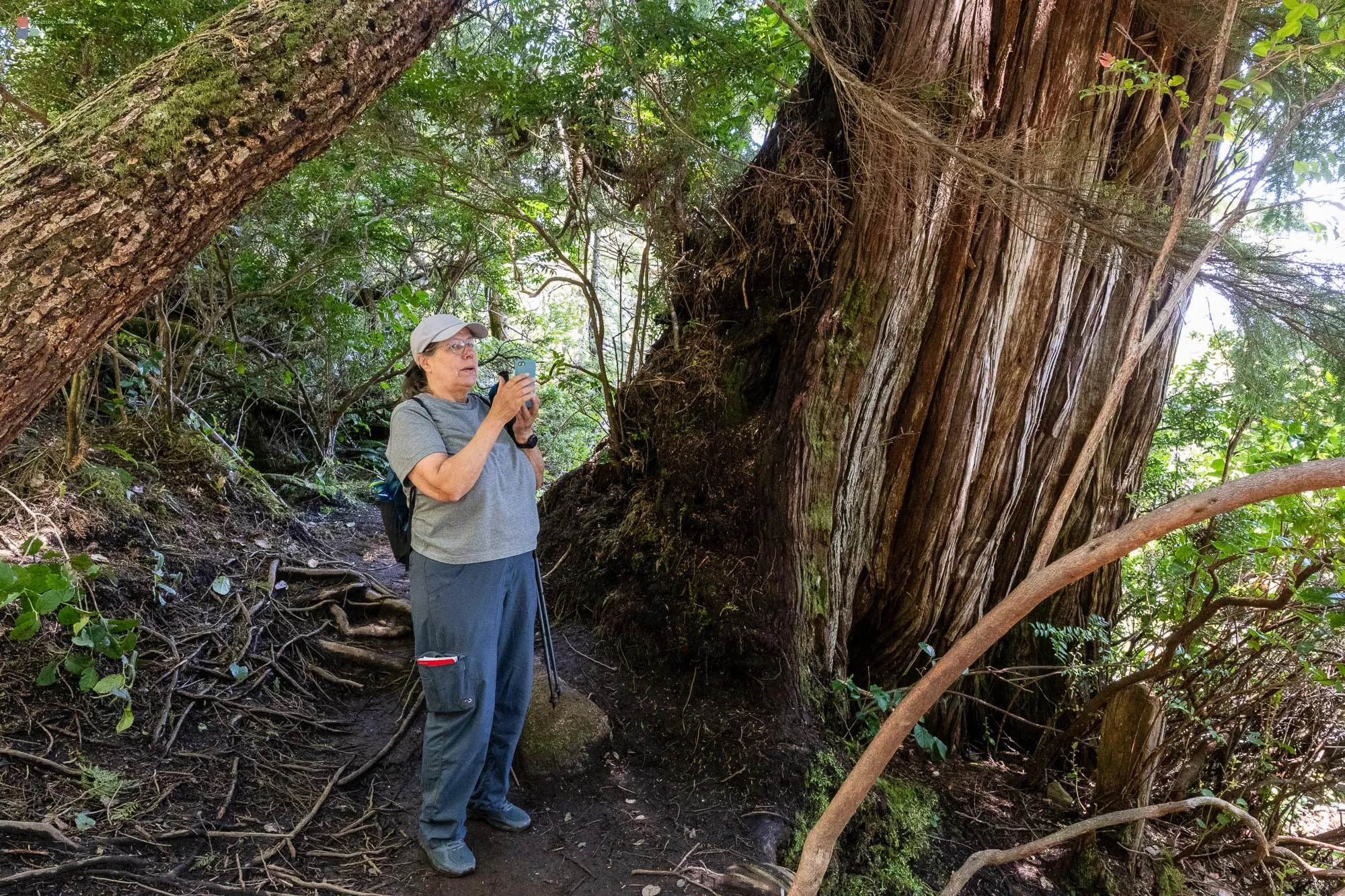
The trail begins innocently – a narrow path, barely more than a gap in the underbrush. It's hard to believe that the metallic skeleton of a warplane lies hidden deep within this rainforest. But the farther we go, the denser the green becomes – roots, planks, mud.
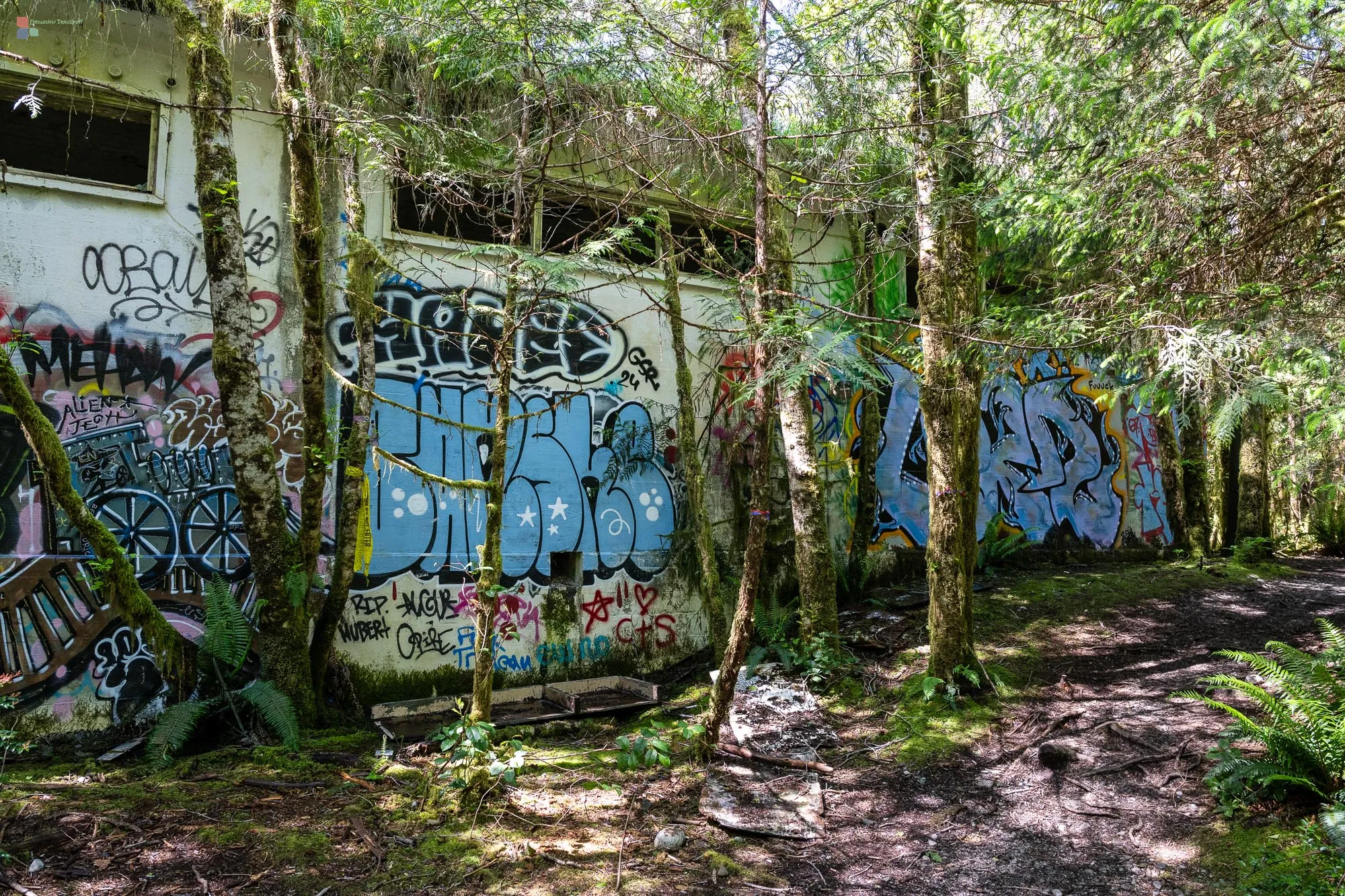
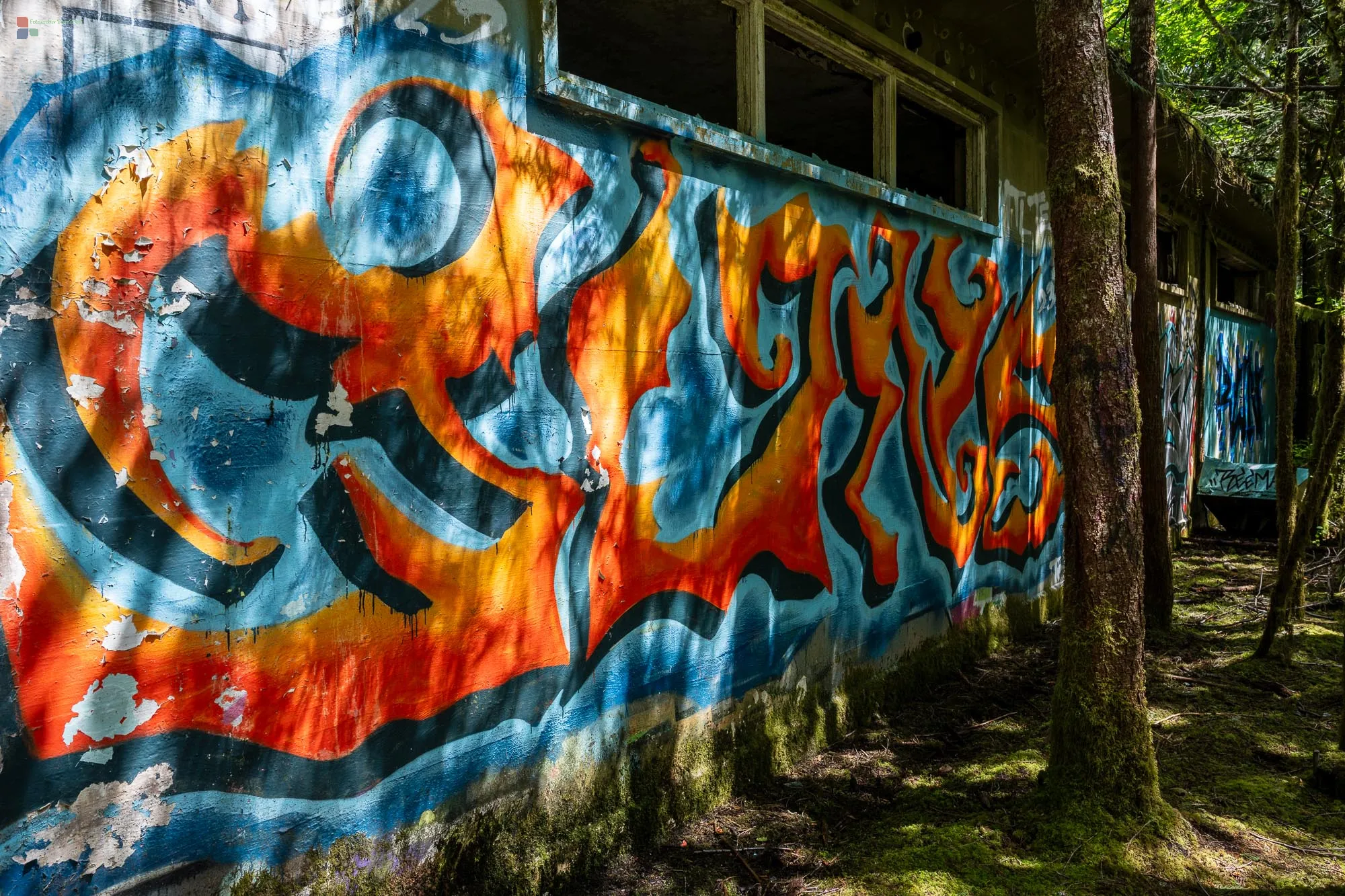
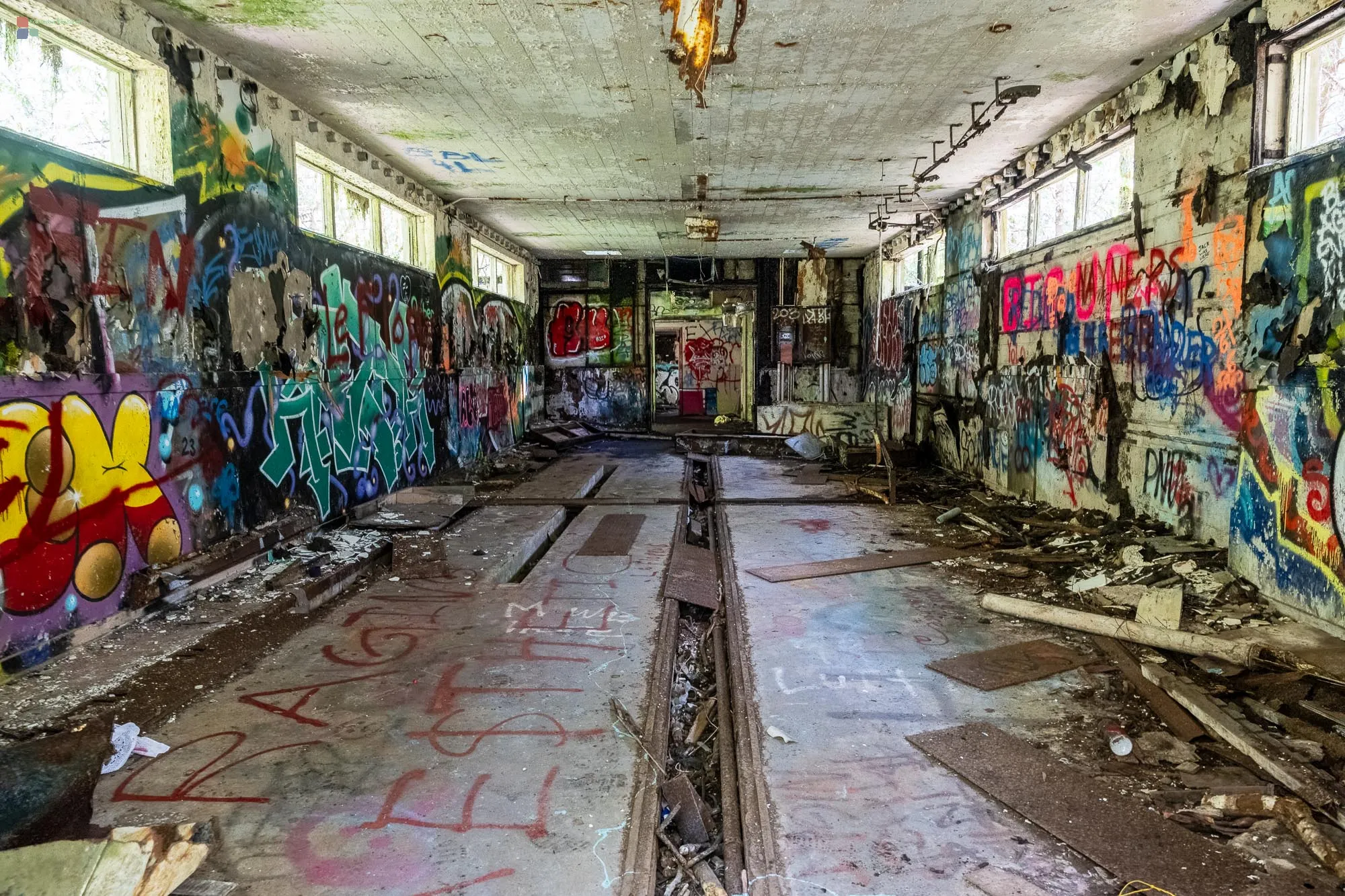
The path first climbs gently. Through damp shade and mossy slopes, we reach an abandoned radio station – a relic from the wartime era, near an old radar post. Once used for communication and coastal surveillance, the site is now a ruin overgrown with ferns and moss, covered in graffiti. A place between strategy and decay, between history and wilderness.
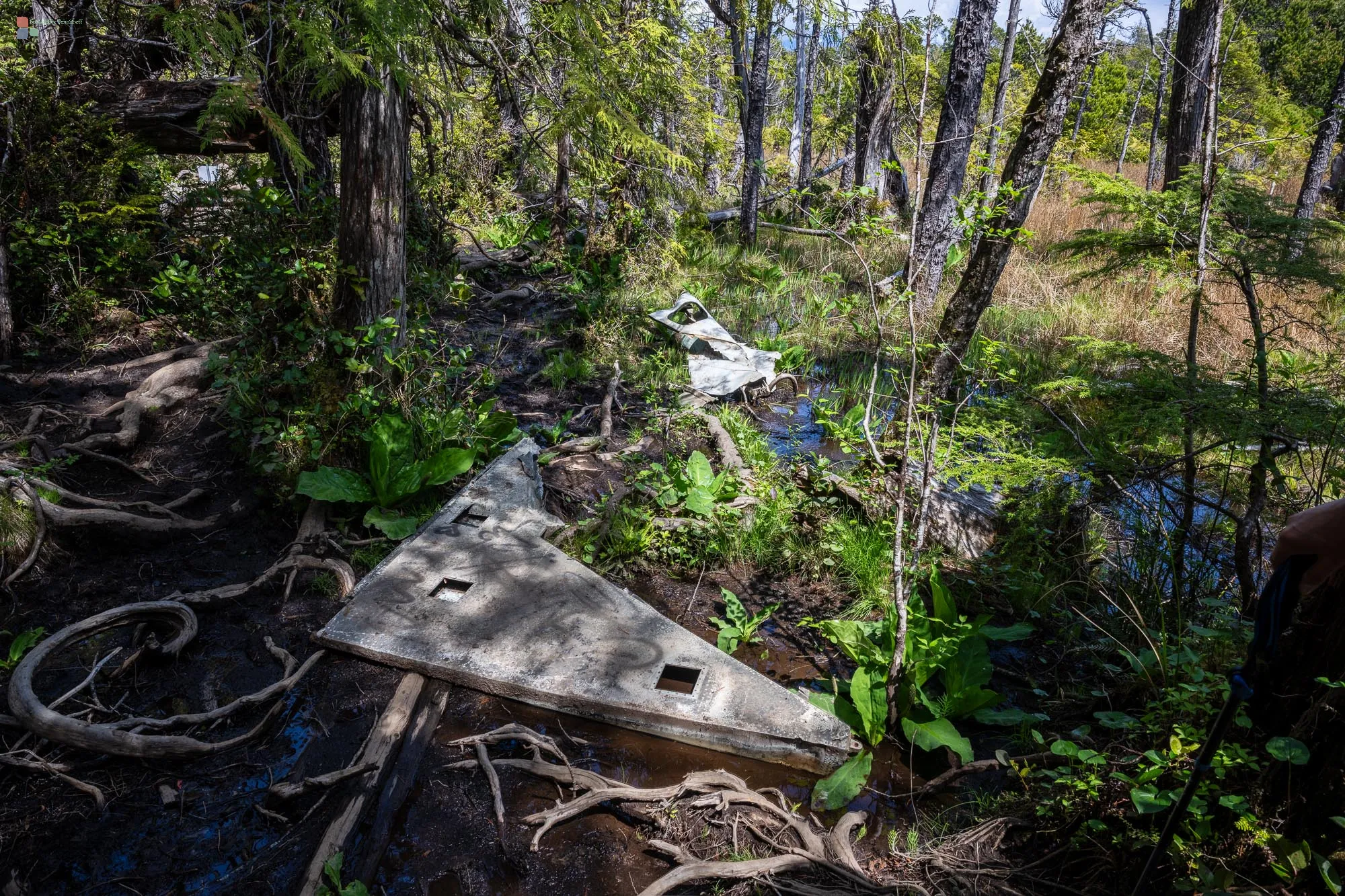
After this brief ascent, the trail drops steeply into swampy terrain. Wooden planks help us across soggy sections, the ground becomes more difficult. The light changes. Birds fall silent. And then – suddenly – a piece of aluminum in the moss. A rudder. A fragment. The story begins to surface.
The Crash of February 10, 1945
On the evening of February 10, 1945, a Consolidated Canso A (serial number 11007) of the Royal Canadian Air Force crashed here – loaded with 3,400 liters of fuel, four 100-kg depth charges, and twelve young men. The aircraft had taken off for a night anti-submarine patrol when the left engine failed shortly after takeoff.
The 20-year-old pilot, Flying Officer Ronnie Scholes, made a split-second decision: no return to base, no risk to nearby towns – instead, a controlled crash into the forest. A decision between disaster and discipline. It saved every life on board.
A Camp Made of Parachutes
The crew, only slightly injured, built a makeshift camp using their parachutes and waited for rescue. They were found and evacuated the next morning. The depth charges, which had survived the crash intact, were later safely detonated on site. The resulting crater is still visible today – a quiet reminder of once-dangerous cargo.
Through the Forest
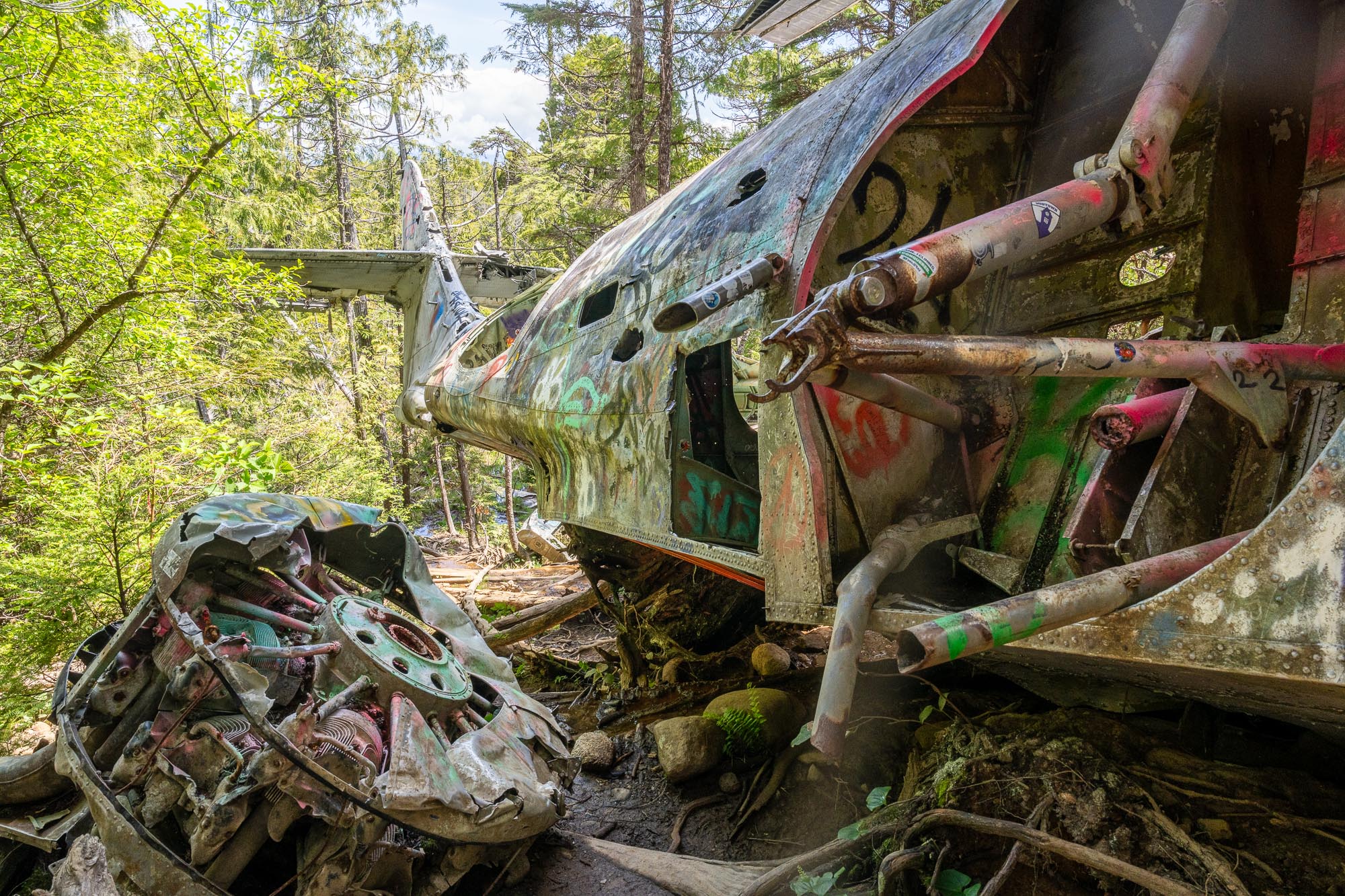
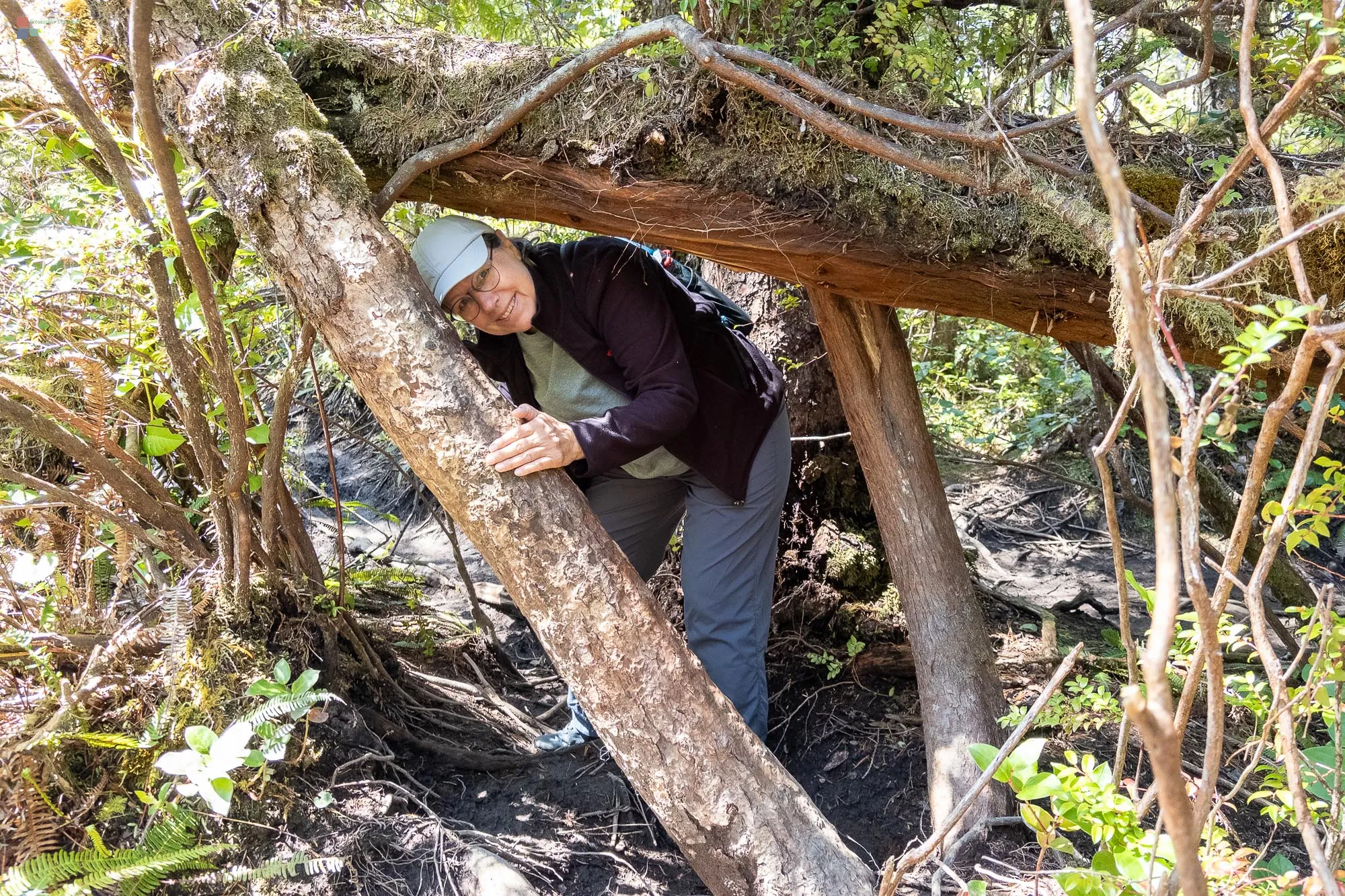
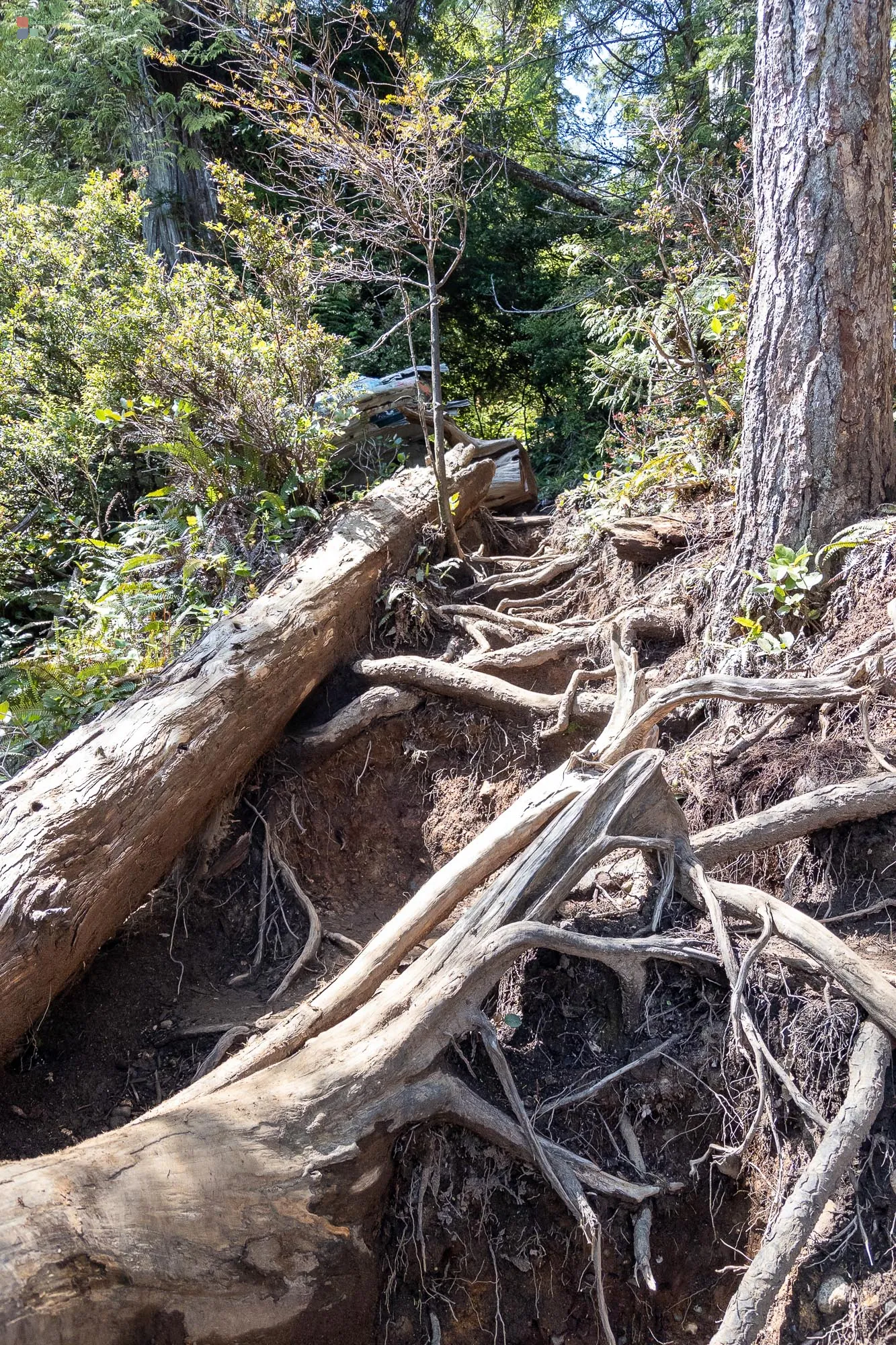
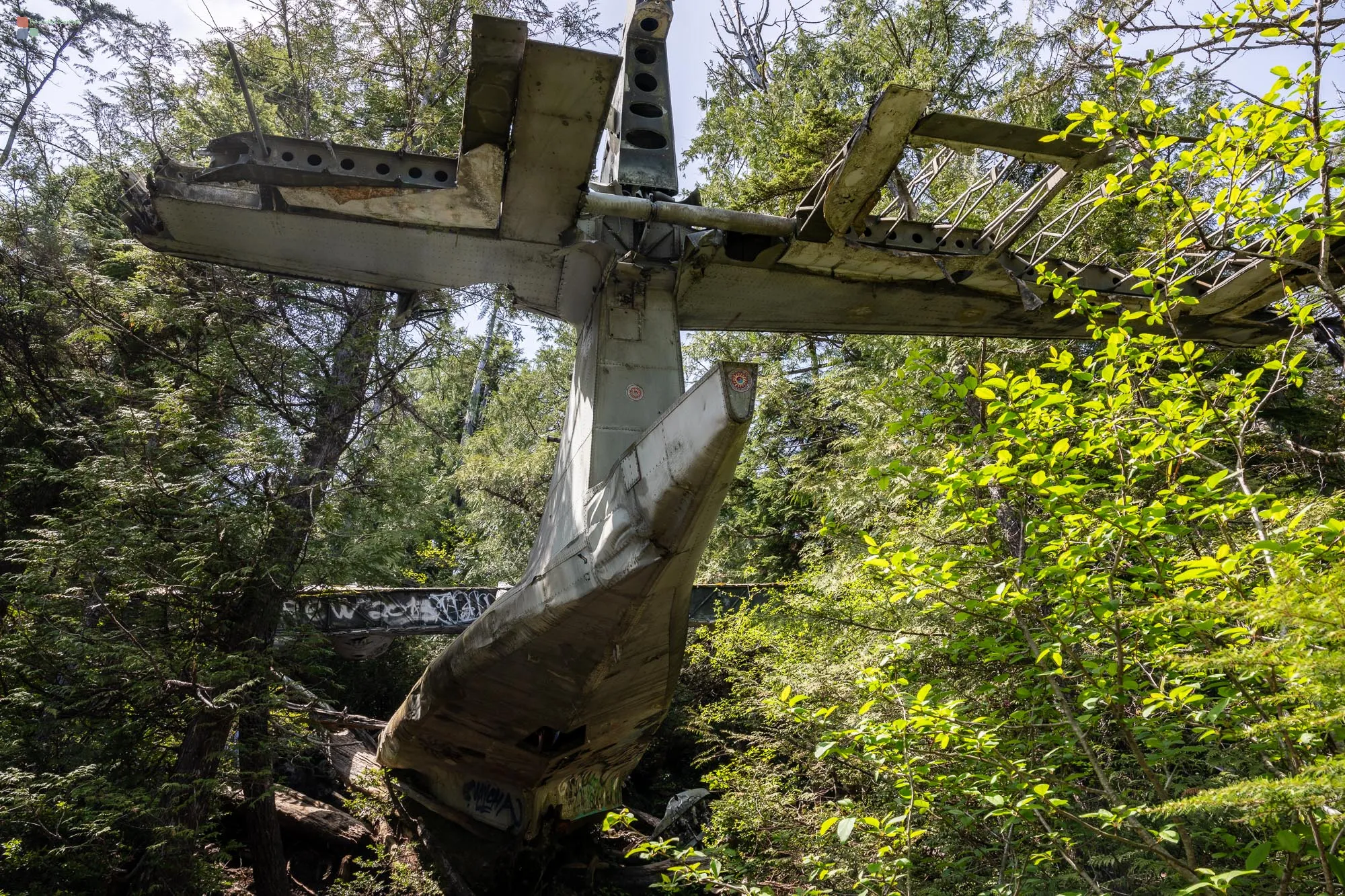
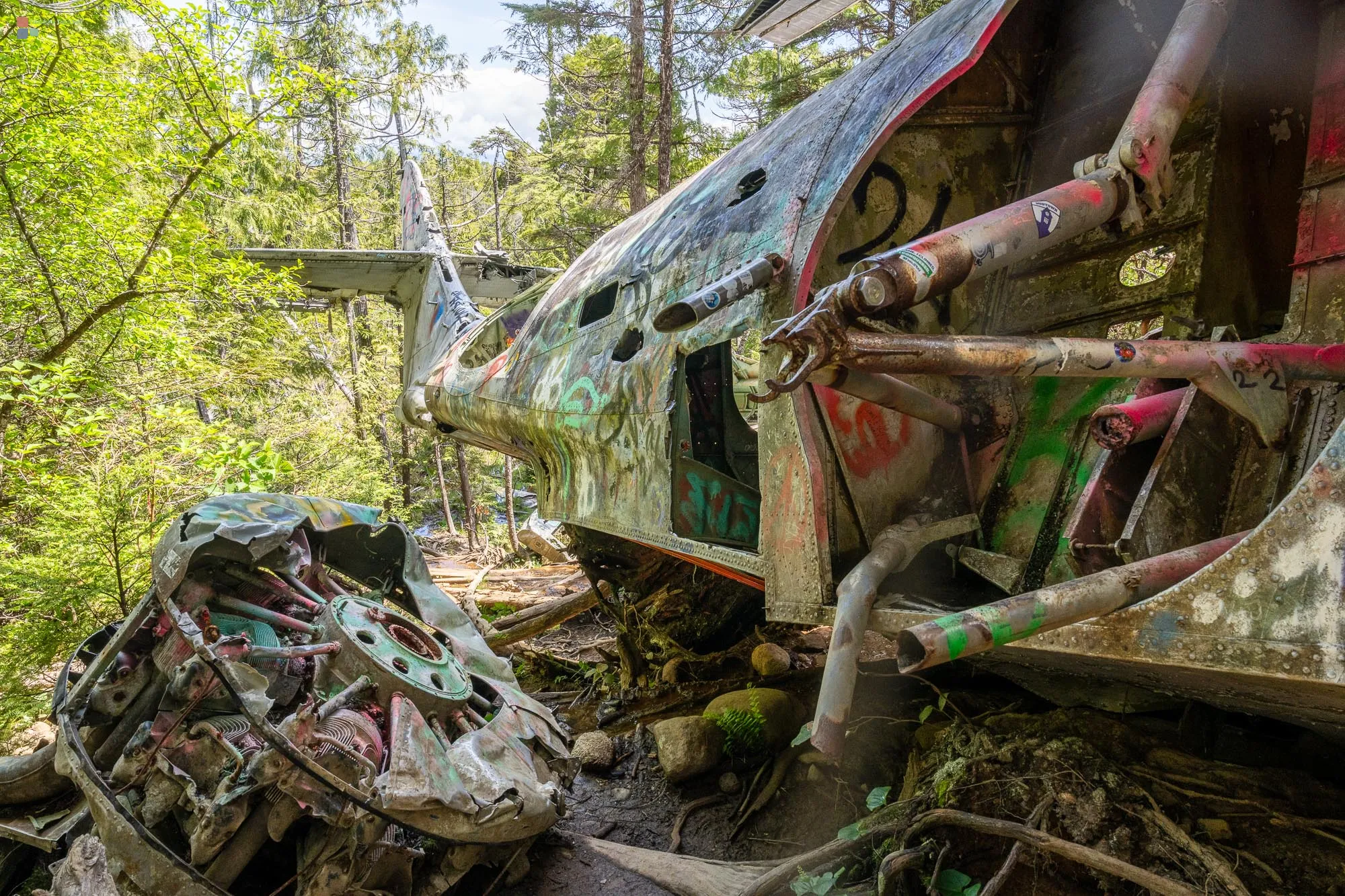
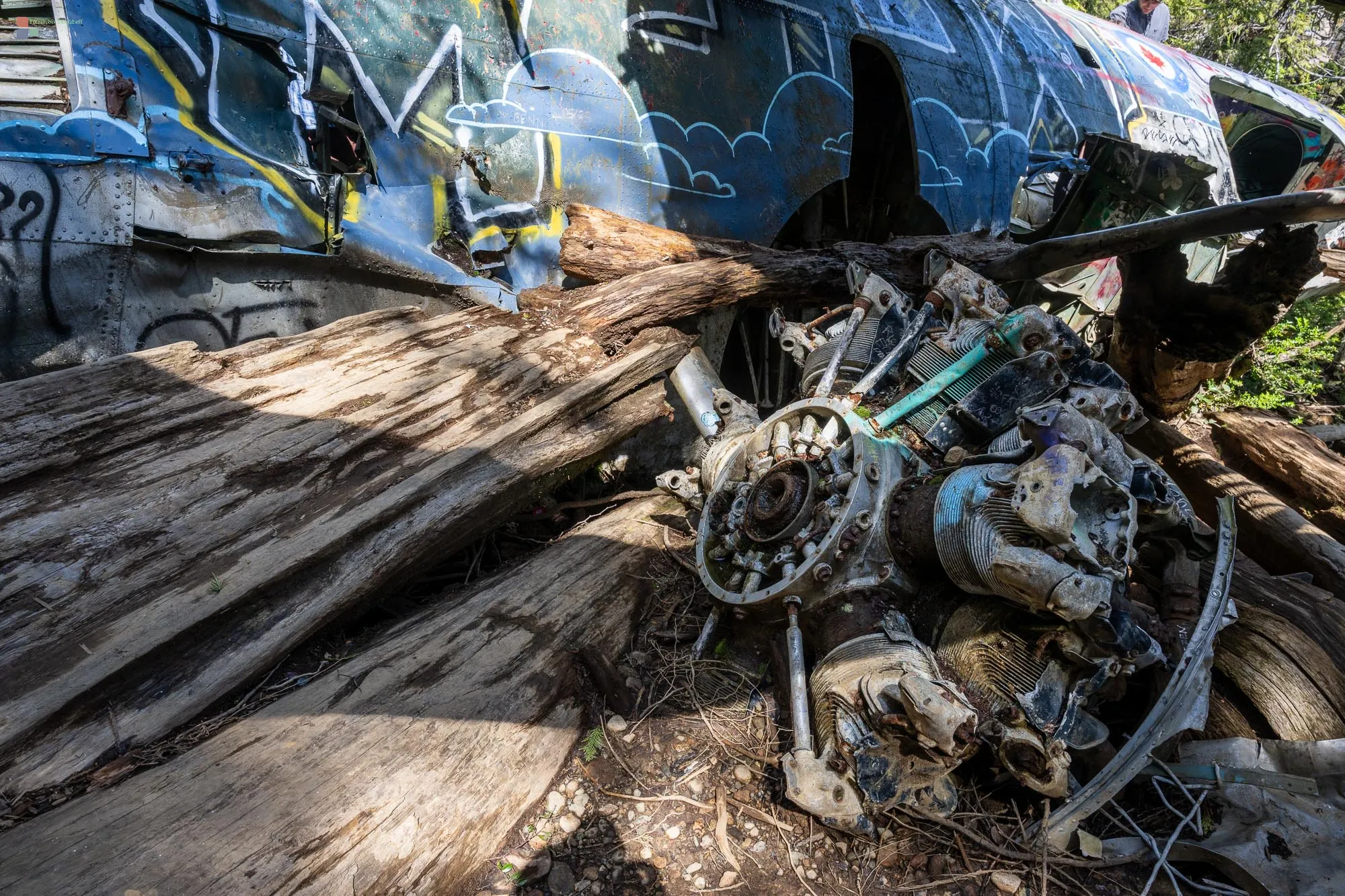
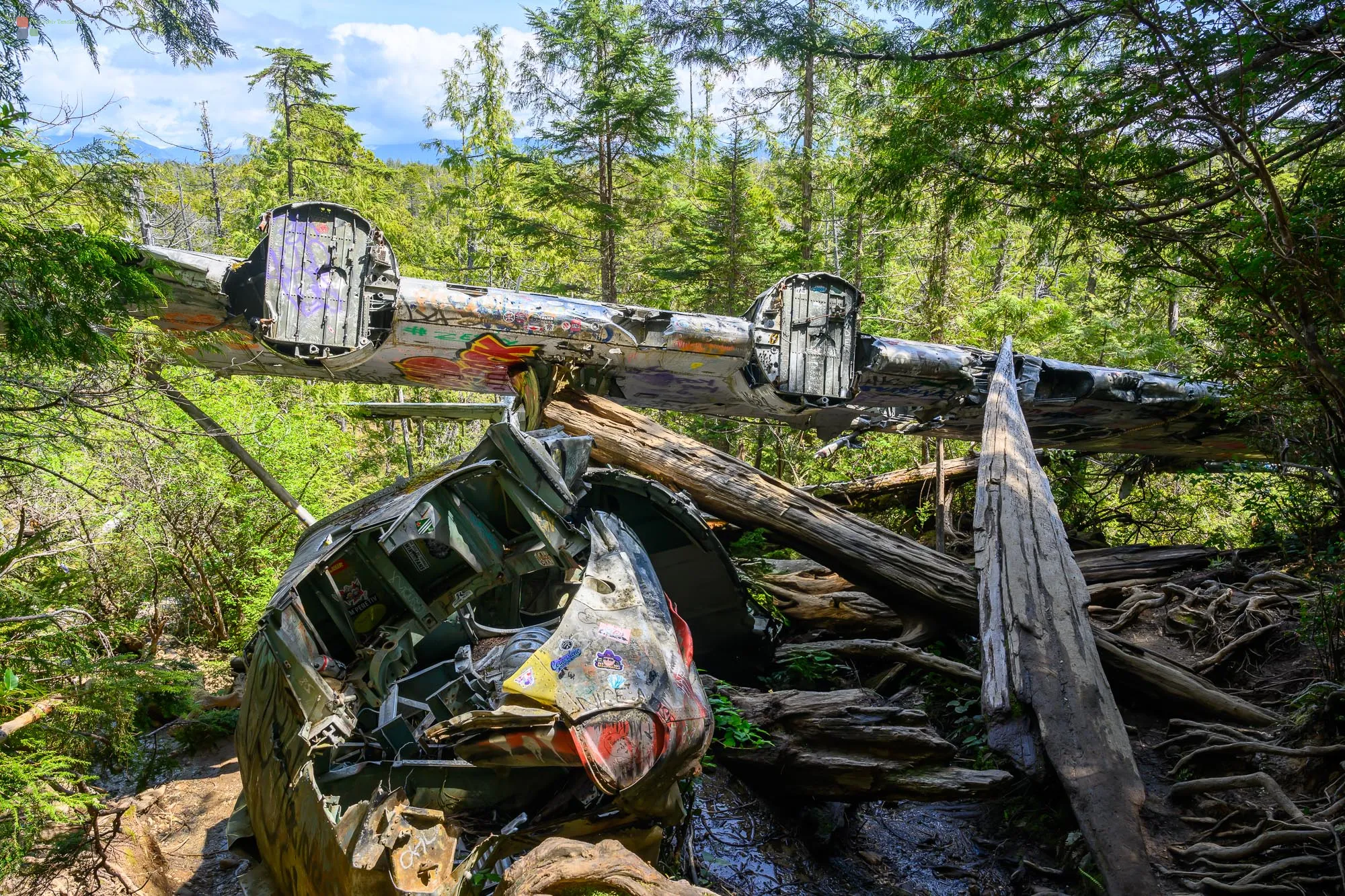
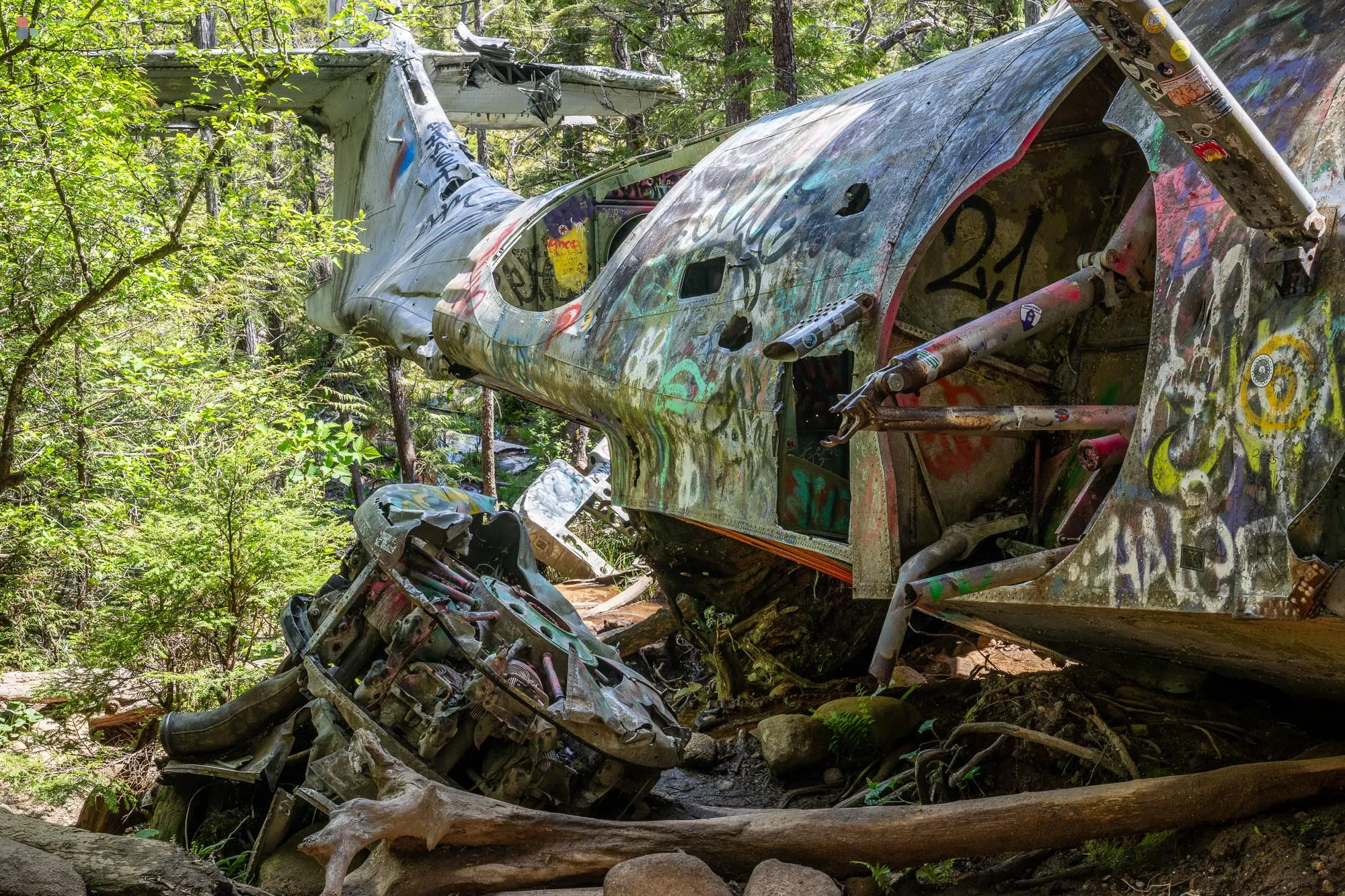
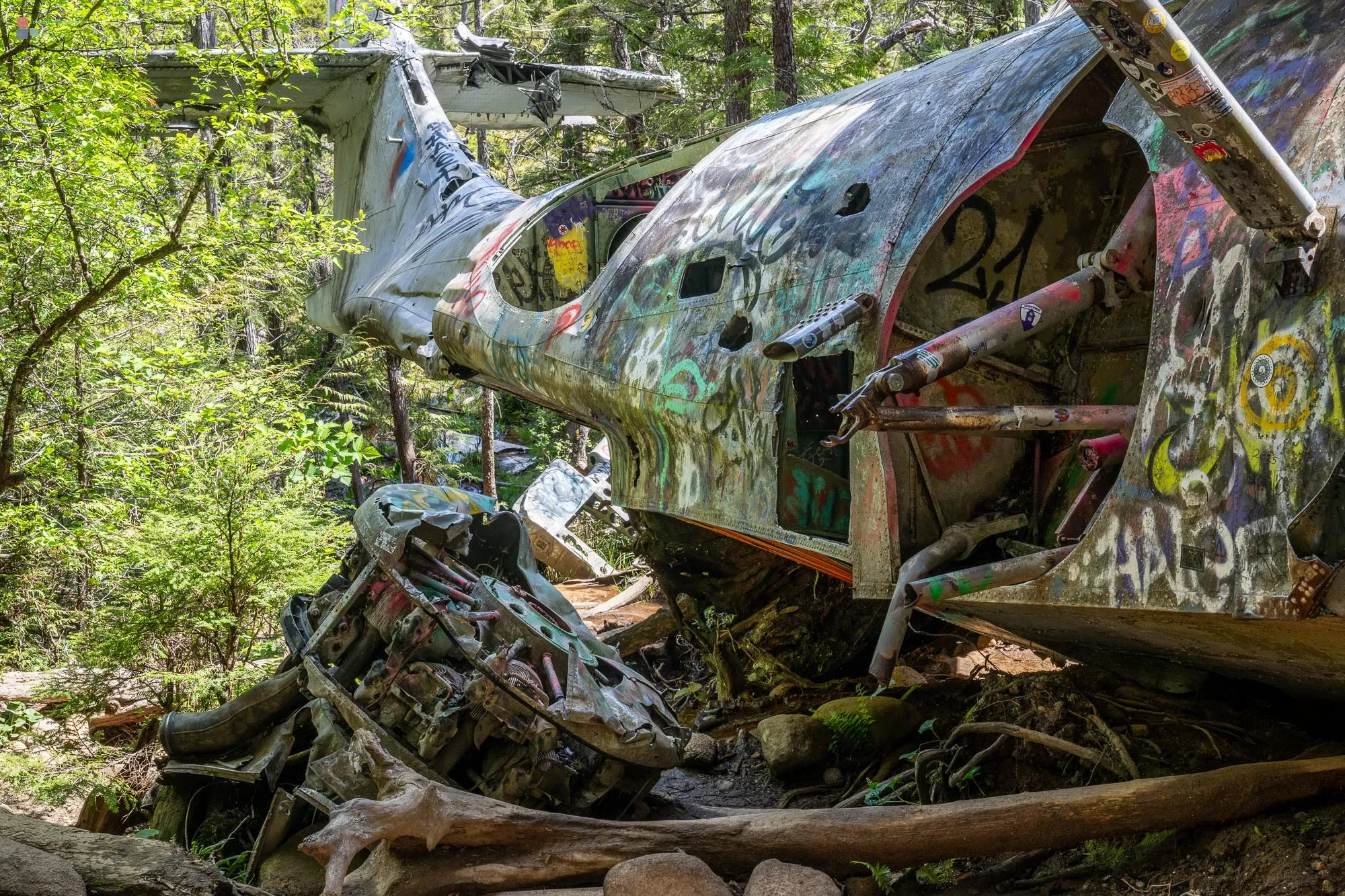
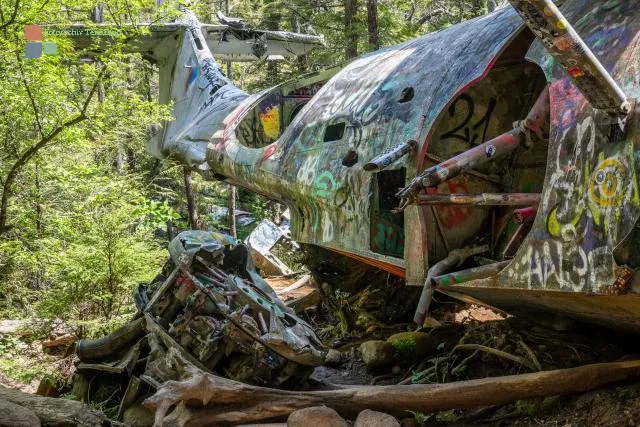
After crossing the wetland, the path rises again. We follow the story through tangled roots, across slippery planks, beneath hanging branches. And then we stand before the Canso’s tail fin – upright, moss-covered, almost reverent. The wings lie flat on the forest floor, folded back by time. The fuselage is still accessible, the engines shattered – yet the aircraft’s shape remains unmistakable.
We climb higher, using the giant rainforest roots for support, to get a clearer view of the wreck. It's as if the forest didn’t just consume the aircraft, but recorded it – every piece of metal, every bolt part of a living archive.
A Monument in Moss and Light
The scene reveals itself not in mist and gloom, but in clear sunshine – a rare moment on Vancouver Island, where rain usually prevails. But it’s the light that makes this place so special – and so challenging for photography.
The bare metal of the wreck reflects sunlight with such intensity that the contrast between blinding brightness and deep shadow beneath the canopy becomes extreme. The range between light and dark was so high, each photo had to be taken as a High Dynamic Range (HDR) image to capture the full visual spectrum.
And color – bright, sprayed, deliberately placed.
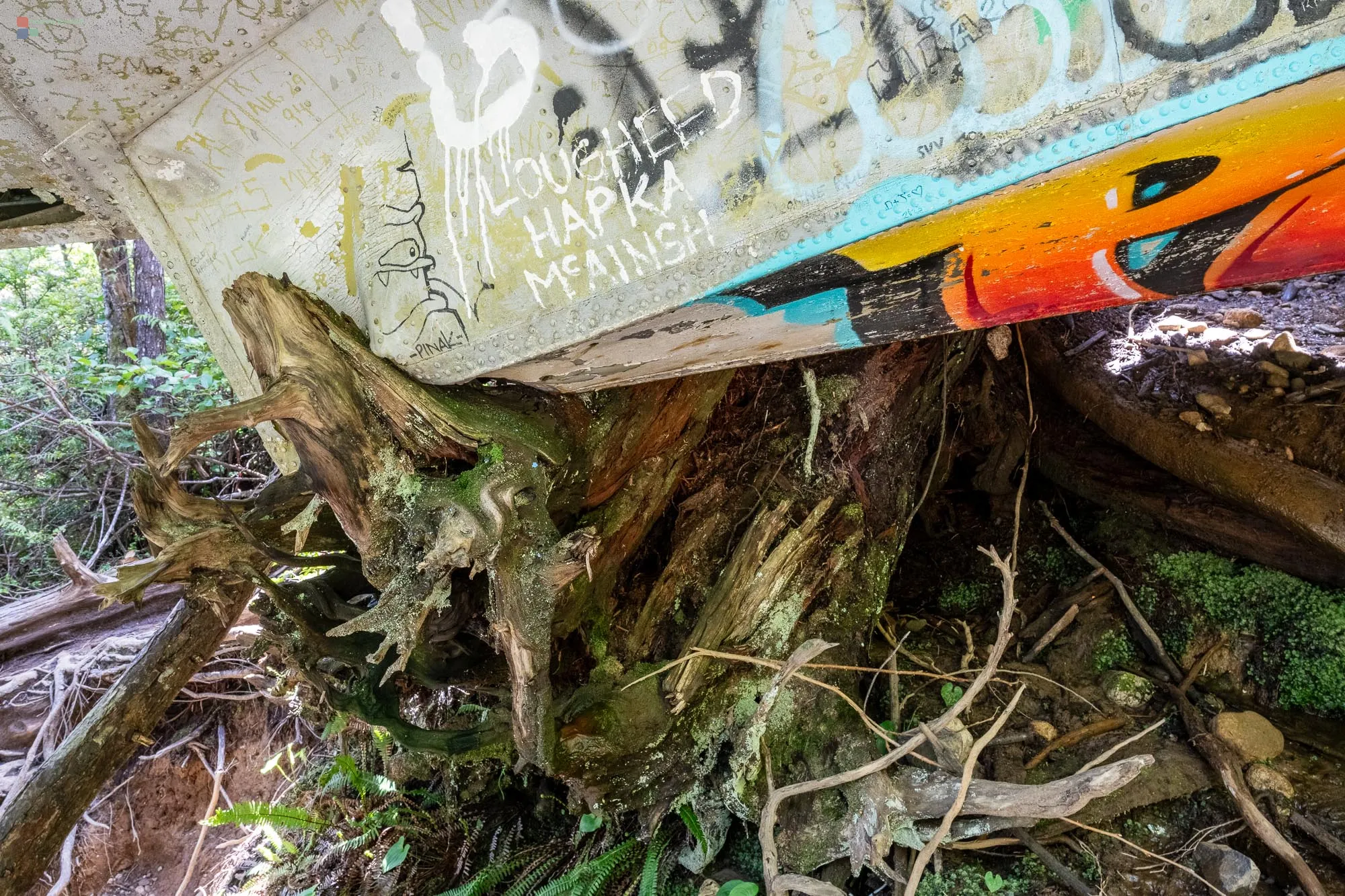
The entire aircraft is now covered in graffiti. What was once a military machine has become a canvas for modern expression. Some markings feel irreverent, others oddly poetic. They show how even places frozen in time are still touched by the present.
From the past, something new emerges. From destruction – sometimes, creation.
The resulting images do more than document wreckage – they express how the aircraft has become part of its environment: light breaking along the wings, shadows falling through the torn fuselage. A place that stands still – and speaks quietly.
Epilogue: The Language of Lost Places
Lost places have a magnetic pull. They are more than ruins – they are slowly fading fragments of past eras, embedded in landscapes that are often remote and hard to reach. It is precisely this inaccessibility that sometimes protects them from rapid destruction.
What remains here would otherwise have vanished: a WWII aircraft wreck deep in the Canadian rainforest. A rusting giant from another time. A silent witness to courage, engineering, and the madness of war – without words, yet with overwhelming presence.
Such places warn us – of war, of disease, of misguided decisions. And they remind us that the past never fully disappears. It remains – sometimes hidden under moss, sometimes gleaming in sunlight – waiting for someone to listen.